We're loading the full news article for you. This includes the article content, images, author information, and related articles.
The High Court of Kenya has declined to halt the government's sale of a 15 percent stake in Safaricom PLC to Vodacom, allowing the deal to proceed.

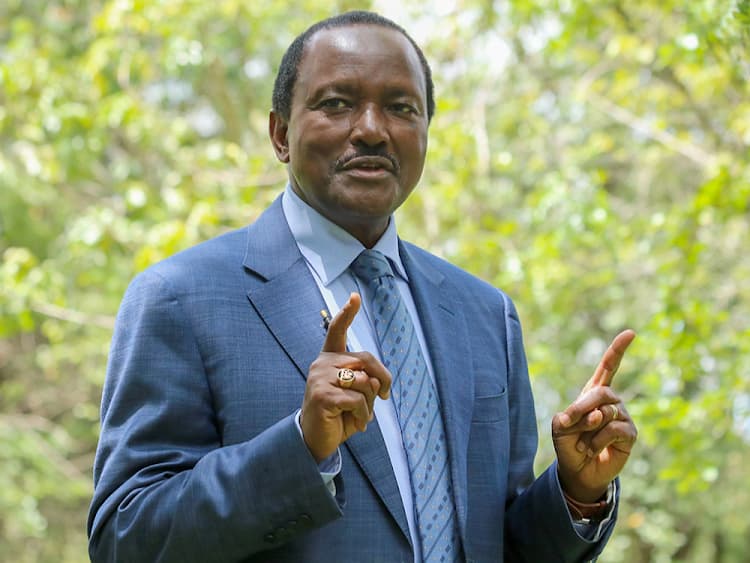
The High Court of Kenya delivered a pivotal ruling on Wednesday, declining to grant conservatory orders that would have halted the government’s high-stakes disposal of a 15 percent shareholding in Safaricom PLC. Justice Lawrence Mugambi, presiding over the constitutional petition, denied the request by petitioners Tony Gachoka and Professor Fredrick Ogolla—represented by Senior Counsel Kalonzo Musyoka—to freeze the transaction, effectively keeping the state’s privatization roadmap alive. The court has scheduled the matter for further mention on March 23, 2026, leaving the government’s divestiture plan to proceed in the interim.
This judicial reprieve comes only 48 hours after the National Assembly adopted a joint parliamentary report endorsing the sale, solidifying the administration’s strategy to offload the telecommunications giant to South Africa’s Vodacom Group. The deal, which aims to generate approximately KES 244.5 billion, stands as the cornerstone of President William Ruto’s economic agenda to seed the newly established National Infrastructure Fund. With the legal gate now partially opened, the focus shifts to the intense public scrutiny and complex regulatory approvals that continue to shadow the largest state divestiture in Kenya’s history.
At the heart of the administration’s urgency lies a severe fiscal bind. Burdened by high debt-servicing costs and faced with public resistance to further tax increases, the National Treasury has turned to state-owned assets as an alternative liquidity source. The plan to divest 15 percent of its 35 percent stake in Safaricom is not merely a divestment it is a fundamental restructuring of state balance sheets. The transaction is designed to yield roughly KES 204.3 billion from the equity sale, supplemented by a KES 40.2 billion upfront payment for dividend rights on the government’s remaining 20 percent holding.
Treasury officials maintain that these funds are earmarked exclusively for the National Infrastructure Fund, a body corporate intended to finance commercially viable projects in energy, roads, and digital connectivity. However, the move has drawn sharp criticism from economic analysts who argue that the government is trading long-term, reliable dividend income for short-term cash injections. The debate underscores a recurring tension in Kenyan governance: the choice between immediate fiscal relief and the long-term stewardship of national assets.
For the petitioners, the challenge transcends financial figures. During proceedings, Senior Counsel Kalonzo Musyoka argued that Safaricom is far more than a telecommunications firm it is a critical national utility. The company controls M-PESA, the backbone of Kenya’s financial services, and manages sensitive digital infrastructure for platforms like e-Citizen. Petitioners contend that transferring majority control to a foreign entity—Vodacom Group—poses an existential risk to data sovereignty and national security.
Critics further allege that the valuation of KES 34 per share is a massive undervaluation, claiming that the true intrinsic value of the shares should range between KES 70 and KES 80. They argue that the state is effectively underpricing the asset, potentially costing the public over KES 250 billion in lost value. Proponents of the deal, including members of the parliamentary committees on Finance and Public Debt, reject these claims, citing the share price as a premium above the six-month volume-weighted average and emphasizing that Safaricom will continue to operate under Kenyan laws and regulations.
The Nairobi Securities Exchange (NSE) has positioned itself as a guardian of market stability in this transaction. In memos to the National Assembly, the bourse insisted that the sale must be executed through the regulated Block Trading Board to prevent market volatility. This mechanism is intended to ensure price transparency and protect retail investors, who might otherwise see share prices plummet if the government attempted to flood the market with six billion shares simultaneously.
Despite the court’s refusal to halt the process, the transaction remains subject to rigorous multi-agency scrutiny. Approvals are still pending from the Capital Markets Authority, the Communications Authority of Kenya, the Central Bank of Kenya, and the East African Community Competition Authority. Furthermore, the deal must navigate regulatory complexities in South Africa and Ethiopia, where Safaricom is aggressively expanding its regional footprint. These hurdles mean that while the government has cleared a major judicial hurdle, the path to closing the transaction by the April 1, 2026, deadline remains fraught with technical and procedural challenges.
As the administration moves closer to executing the deal, the silence of the markets contrasts sharply with the noise of the public discourse. Foreign institutional investors have largely signaled optimism, viewing the sale as a move towards market-friendly reform and fiscal consolidation. Conversely, civil society groups and some members of the opposition view the transaction as a symptom of a government that has exhausted all other options to manage its debt portfolio.
The ultimate test of the Safaricom divestiture will not be found in the ledger of the National Infrastructure Fund, but in the long-term health of the telecommunications sector. If the government succeeds in raising the projected billions without compromising the operational independence of the country’s most important firm, it may be hailed as a masterclass in economic pragmatism. If, however, the deal leads to reduced dividend transparency or the erosion of local oversight, the administration may find that the cost of immediate liquidity was higher than the Treasury ever dared to calculate.
Keep the conversation in one place—threads here stay linked to the story and in the forums.
Sign in to start a discussion
Start a conversation about this story and keep it linked here.
Other hot threads
E-sports and Gaming Community in Kenya
Active 9 months ago
The Role of Technology in Modern Agriculture (AgriTech)
Active 9 months ago
Popular Recreational Activities Across Counties
Active 9 months ago
Investing in Youth Sports Development Programs
Active 9 months ago
Key figures and persons of interest featured in this article