We're loading the full news article for you. This includes the article content, images, author information, and related articles.
President Hichilema stakes his re-election on bold mining and education reforms, arguing his track record will defeat populist attacks in Zambia’s upcoming polls.
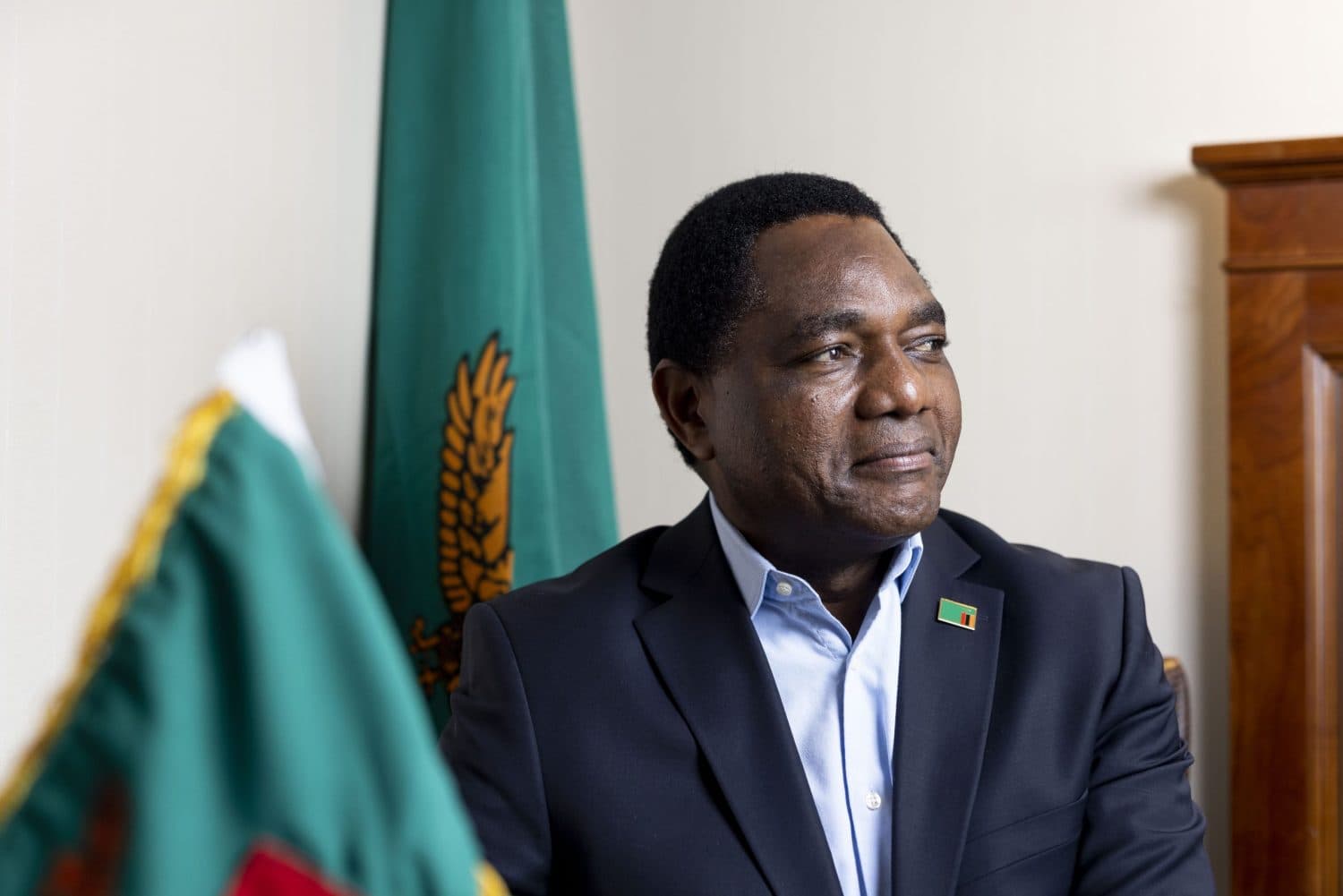
Zambian President Hakainde Hichilema is betting his political survival on a painful but transformative economic overhaul. With the August 13 elections looming, "HH" remains defiant against populist criticism, insisting that his rigorous restructuring of debt and mining has pulled Zambia back from the brink of collapse and will secure him a second term.
Facing an electorate weary of austerity yet seeing the first green shoots of recovery, Hichilema’s narrative is one of steady hands in a storm. He argues that the alternative—a return to the reckless borrowing and corruption of the past—is a path Zambians will not choose. Speaking at the African Mining Indaba, he presented his scorecard not just as a list of achievements, but as a defense of democracy itself against those who would undo his work.
The centerpiece of Hichilema’s reform agenda is the revitalization of the mining sector, Zambia’s economic lifeblood. Under his predecessor, production stagnated amidst endless litigation and threats of expropriation. Hichilema’s administration has unlocked this paralysis, resolving court battles that have brought giants like Konkola Copper Mines back to life and revived the "comatose" Mopani Mine.
“We believe on August 13th, 2026, there will be a decision by the Zambians based on our track record, a solid one,” Hichilema declared. The numbers back his confidence: copper production is up 12% in 2024, with a target of three million tons a year within a decade. The restart of the Kalengwa mine after 47 years of dormancy serves as a powerful symbol of this resurrection—a tangible sign that the lights are coming back on in the Copperbelt.
Critics, including former officials from the Lungu era, accuse Hichilema of being a puppet of Western capital and inflicting hardship on the poor. Yet, the President shrugs off these attacks, framing the election as a choice between "Team Work" and "Team Rhetoric."
As Zambia heads to the polls, the world is watching. Hichilema’s potential victory would validate the argument that tough structural reforms, while painful, yield political dividends if they deliver economic sanity. A defeat, however, would imperil the fragile recovery and send a chilling message to reformers across the continent.
Keep the conversation in one place—threads here stay linked to the story and in the forums.
Sign in to start a discussion
Start a conversation about this story and keep it linked here.
Other hot threads
E-sports and Gaming Community in Kenya
Active 9 months ago
The Role of Technology in Modern Agriculture (AgriTech)
Active 9 months ago
Popular Recreational Activities Across Counties
Active 9 months ago
Investing in Youth Sports Development Programs
Active 9 months ago
Key figures and persons of interest featured in this article



