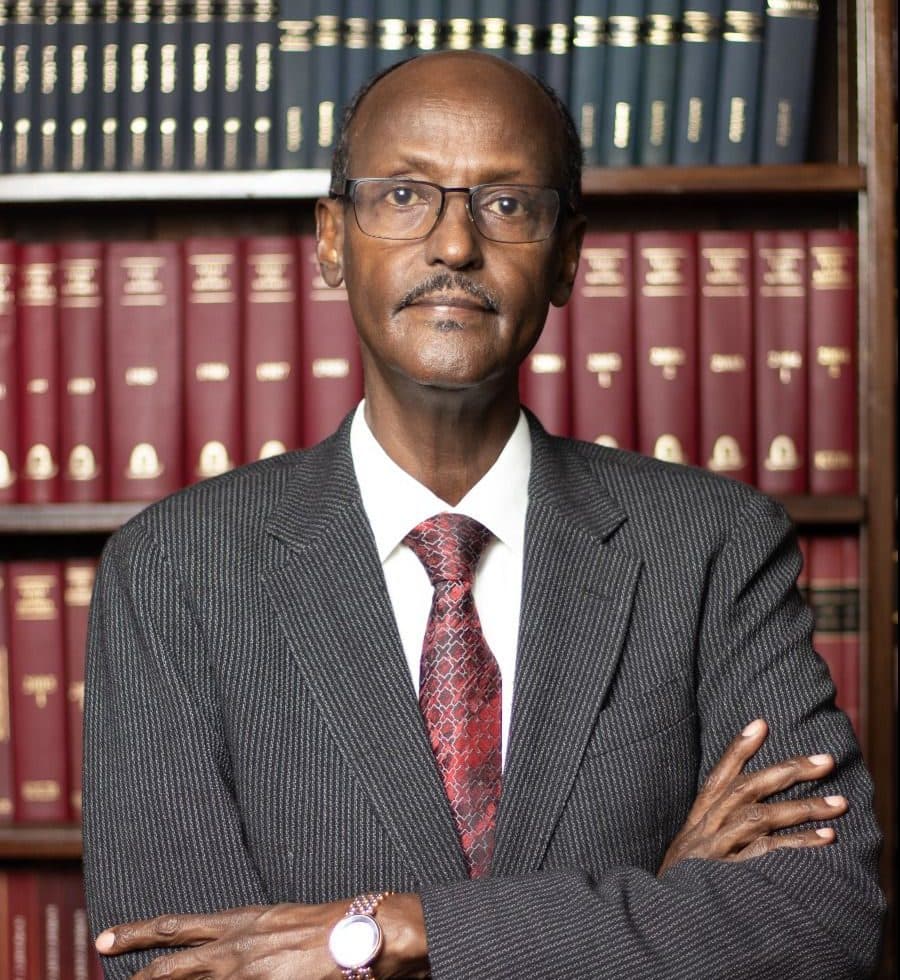
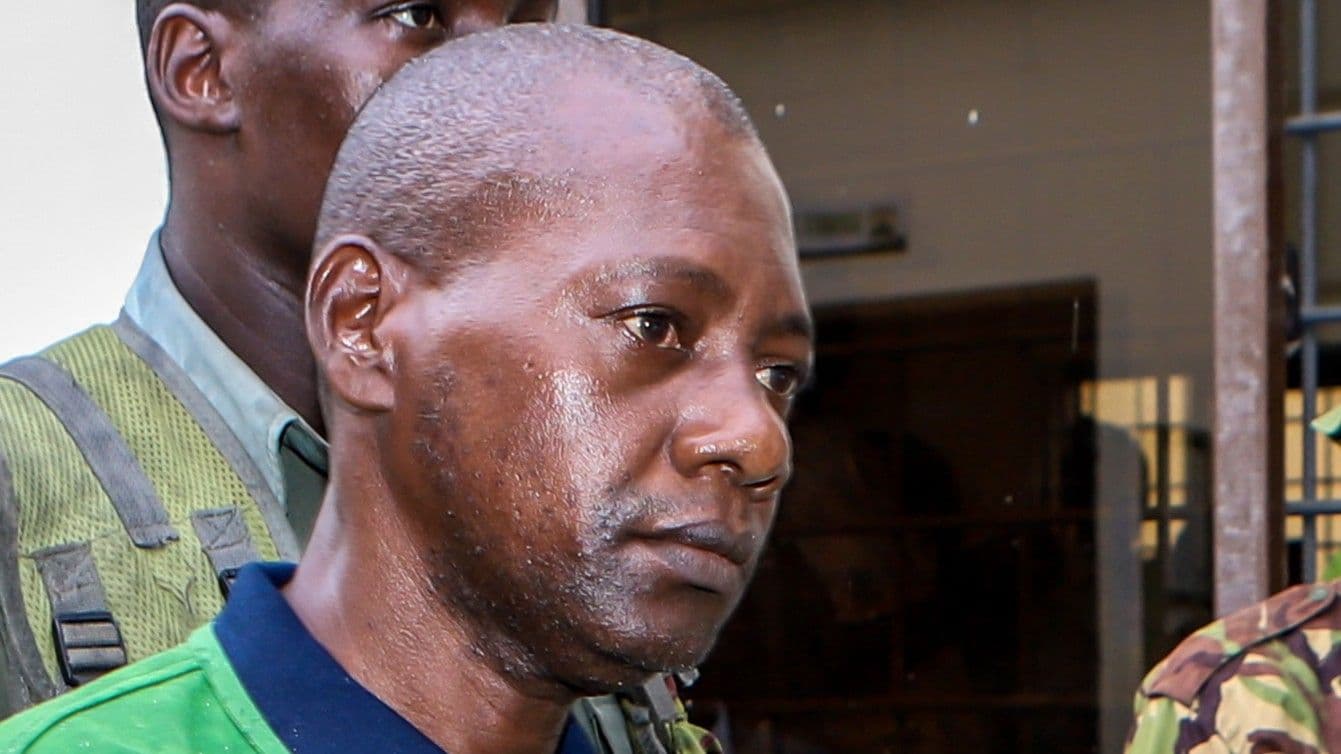
We're loading the full news article for you. This includes the article content, images, author information, and related articles.
In a stunning reversal, Nelson Havi bows out of the race for the apex court vacancy, citing the wisdom of elders over personal ambition.
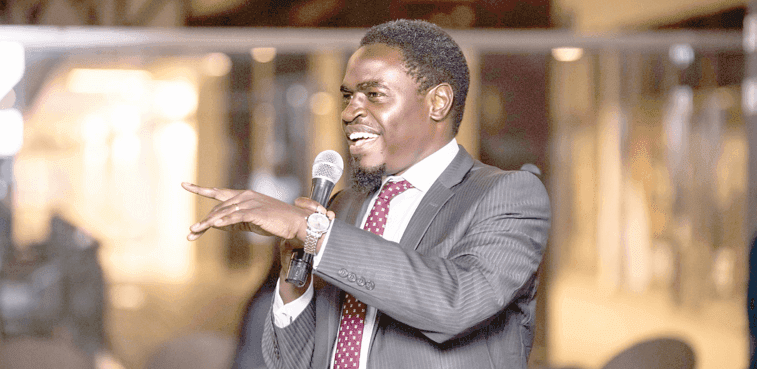
Nelson Havi, the combative former President of the Law Society of Kenya, has abruptly withdrawn his candidacy for the vacant Supreme Court judge position. The vacancy, created by the passing of Justice Mohammed Ibrahim in December 2025, had attracted high-profile interest, but Havi's exit changes the complexion of the race entirely. Citing "elders consultations" as the primary driver for his decision, Havi’s move signals a retreat to strategy rather than a surrender of influence.
This withdrawal is not merely a personal decision; it is a tactical maneuver in a high-stakes war Havi has been waging against the current judiciary leadership. By stepping back, Havi avoids the awkward contradiction of seeking to join a bench he is actively trying to dismantle. His concurrent legal battles to remove current judges suggest that his game is not to join the system, but to overhaul it from the outside. The "elders" mentioned likely provided the counsel that one cannot be both the arsonist and the firefighter in the same burning building.
To understand this withdrawal, one must look at the scorched-earth campaign Havi has led in recent months. He has filed multiple petitions seeking the removal of all sitting Supreme Court judges, accusing them of gross misconduct and constitutional violations. Just days before this withdrawal, Havi was in court demanding that a three-judge bench—Justices Charles Kariuki, Lawrence Mugambi, and Bahati Mwamuye—recuse themselves from hearing his ouster petitions.
Havi argued that Chief Justice Martha Koome, a respondent in his petitions, had a conflict of interest in appointing the very judges who would decide her fate. "The Chief Justice cannot be a judge in her own cause," Havi thundered in court filings. His withdrawal from the recruitment process therefore clears the air; it removes the conflict of interest that would have arisen had he been interviewed by the very Judicial Service Commission (JSC) he is antagonizing.
This development leaves the field open for other candidates, but it keeps Havi in his preferred arena: the trenches of constitutional litigation. His supporters view this as a principled stand, a refusal to "dine with the devil" he is trying to exorcise. Critics, however, might see it as a realization that his chances of approval by a hostile JSC were slim to none.
Whatever the interpretation, the message is clear. Nelson Havi is not done with the Supreme Court. He has simply chosen to besiege the fortress rather than apply for a key to the front door. The legal fraternity now watches with bated breath to see who will fill Justice Ibrahim’s shoes, and whether Havi’s external pressure will finally crack the walls of the apex court.
Keep the conversation in one place—threads here stay linked to the story and in the forums.
Other hot threads
E-sports and Gaming Community in Kenya
Active 8 months ago
The Role of Technology in Modern Agriculture (AgriTech)
Active 8 months ago
Popular Recreational Activities Across Counties
Active 8 months ago
Investing in Youth Sports Development Programs
Active 8 months ago
Key figures and persons of interest featured in this article