We're loading the full news article for you. This includes the article content, images, author information, and related articles.
Political violence erupts in Zimbabwe as opposition groups face intimidation over controversial constitutional bids to extend presidential term limits.

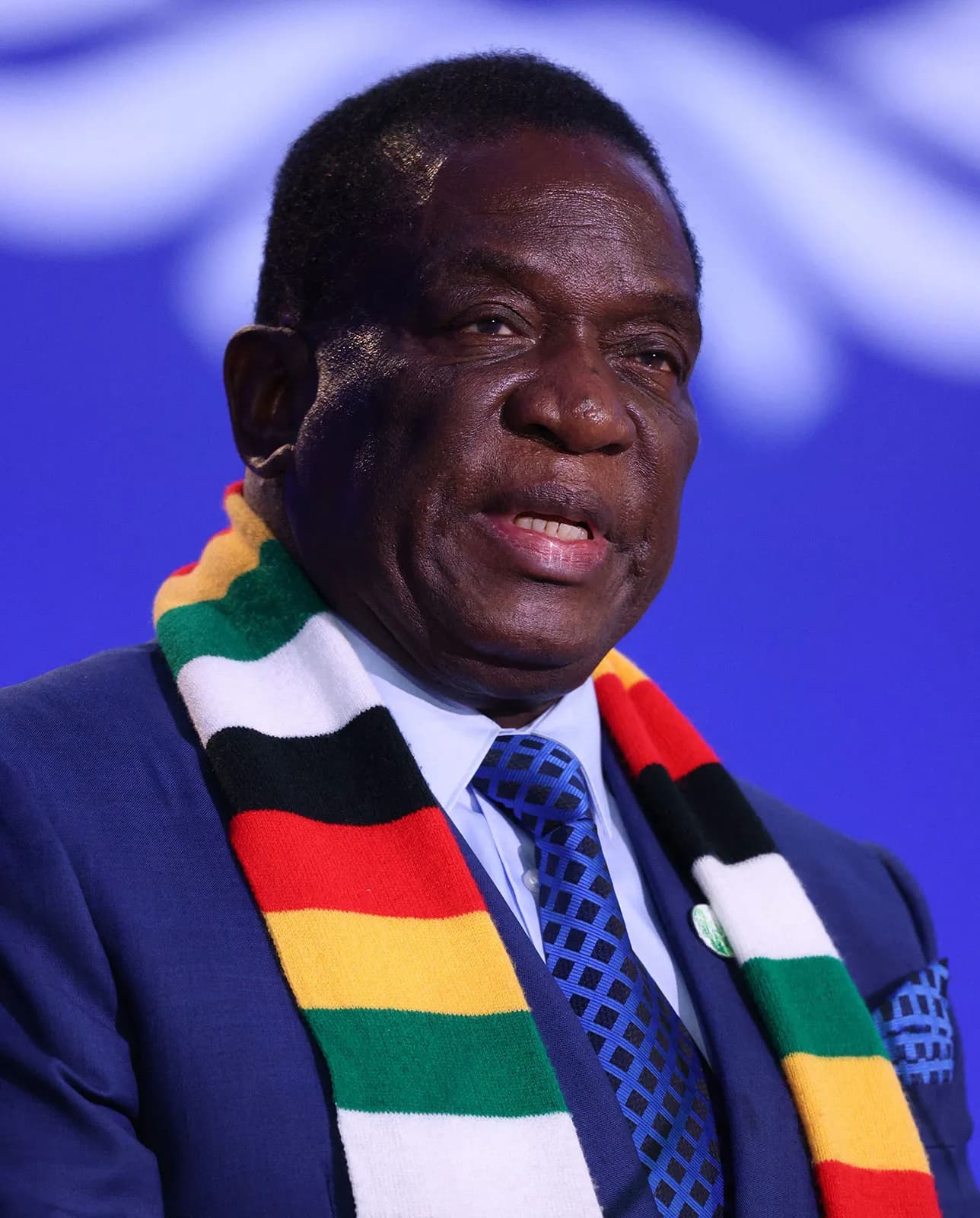
The offices of the National Constitutional Assembly in Harare were transformed into a scene of carnage this week as masked assailants, reportedly aligned with state actors, descended upon a meeting of lawyers and activists. The gathering, convened to strategize against a controversial bid to extend President Emmerson Mnangagwa’s tenure, was violently disrupted, leaving several senior legal figures hospitalized and the nation’s political climate teetering on the edge of a fundamental breakdown.
This surge in political violence is the latest manifestation of a deepening crisis centered on Constitutional Amendment Bill No. 3. The proposed legislation, which seeks to push back the presidential term limit and consolidate power within the ruling ZANU-PF party, has ignited a fierce battle between the state and an increasingly besieged civil society. As the government aggressively pursues an agenda to keep the incumbent in power until 2030, the fundamental democratic principles of assembly and expression are rapidly eroding, raising urgent questions about Zimbabwe’s political trajectory.
The core of the current tension lies in the ruling party’s pursuit of the "2030 Agenda," a resolution passed at the ZANU-PF Annual People’s Conference. The government aims to formalize this via Constitutional Amendment Bill No. 3, which was gazetted on February 16, 2026. The legislative package is not merely an administrative shift it represents a profound restructuring of the Zimbabwean presidency.
The proposal seeks to extend the presidential and parliamentary terms from five to seven years, effectively bypassing the scheduled 2028 elections. Supporters within ZANU-PF argue that this continuity is necessary to complete the current administration’s developmental milestones. However, constitutional experts and opposition leaders vehemently reject this framing, characterizing it as a "constitutional coup" that undermines the supreme law established by the 2013 Constitution. The implications of this bill extend far beyond the immediate presidency it threatens to centralize authority and dilute the power of the electorate by potentially moving toward a system where the president is appointed via parliamentary vote rather than direct public mandate.
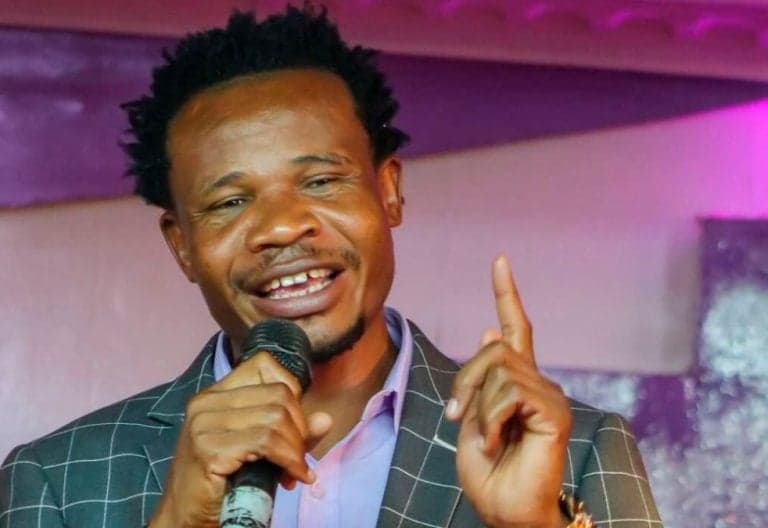
The cost of challenging this legislative push has been personal and severe for those at the forefront of the resistance. Professor Lovemore Madhuku, a veteran constitutional lawyer and leader of the National Constitutional Assembly, has become a primary target of intimidation. Speaking from his recovery, Madhuku described the assault as a calculated effort to silence dissent before the public consultation phase of the bill begins.
Other prominent figures, including former Finance Minister Tendai Biti, have faced similar patterns of surveillance and threats. The fear gripping Harare is palpable. As security forces and suspected youth militia groups maintain a visible presence around opposition hubs and legal offices, many activists report being shadowed, harassed, or threatened with "unpatriotic" labels by ruling party cadres. For the average citizen, this atmosphere creates a chilling effect, deterring participation in the very public hearings that the government claims will provide democratic legitimacy to the amendment.
The situation in Harare is being watched with growing alarm by the international community and regional bodies. The Southern African Development Community (SADC) has faced calls from Zimbabwean opposition groups to invoke its protocols against unconstitutional changes of government. The normalization of violence against those who express dissent violates the democratic values typically championed by regional frameworks.
For global observers, the Zimbabwe case serves as a troubling bellwether for democratic backsliding across the continent. When a ruling party utilizes its parliamentary majority to rewrite foundational constitutional limits without a referendum, it undermines the institutional safeguards designed to prevent authoritarianism. International human rights organizations, including Human Rights Watch and Amnesty International, have issued urgent calls for the government to investigate the recent attacks and to ensure that the constitutional amendment process is not used as a weapon against the citizenry.
The coming weeks will prove decisive for Zimbabwe’s governance structure. As the ruling party coordinates inter-district meetings to mobilize support for the bill, the resistance remains fragmented but resilient. The fundamental question facing the nation is whether the rule of law can withstand the immense pressure of a regime determined to preserve its authority through legislative reconfiguration. If the constitution is successfully amended to bypass the will of the people, the long-term impact on the country’s stability could be profound, setting a precedent where the supreme law of the land becomes merely a tool for political survival rather than a charter for democratic order.
Whether Zimbabwe enters a new era of authoritarian consolidation or whether the resilience of its constitutional defenders can force a retreat remains the central, looming uncertainty. For now, the streets of Harare are quiet, but the silence is heavy with the weight of an unresolved constitutional crisis that threatens to define the nation for years to come.
Keep the conversation in one place—threads here stay linked to the story and in the forums.
Sign in to start a discussion
Start a conversation about this story and keep it linked here.
Other hot threads
E-sports and Gaming Community in Kenya
Active 9 months ago
The Role of Technology in Modern Agriculture (AgriTech)
Active 9 months ago
Popular Recreational Activities Across Counties
Active 9 months ago
Investing in Youth Sports Development Programs
Active 9 months ago
Key figures and persons of interest featured in this article