We're loading the full news article for you. This includes the article content, images, author information, and related articles.
General Mamady Doumbouya secures a landslide victory, but internet blackouts and barred rivals cast a long shadow over his transition from junta chief to civilian president.
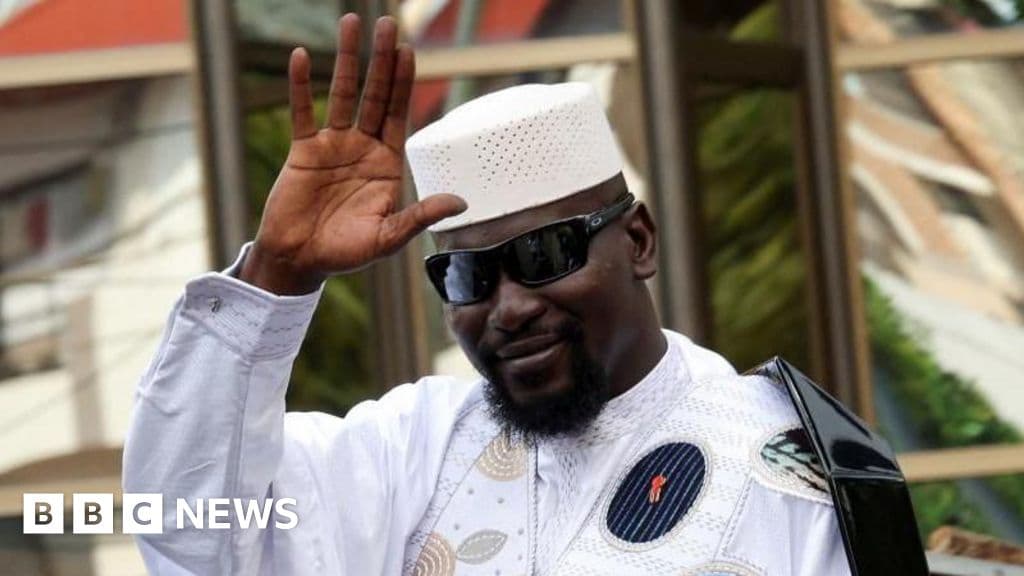
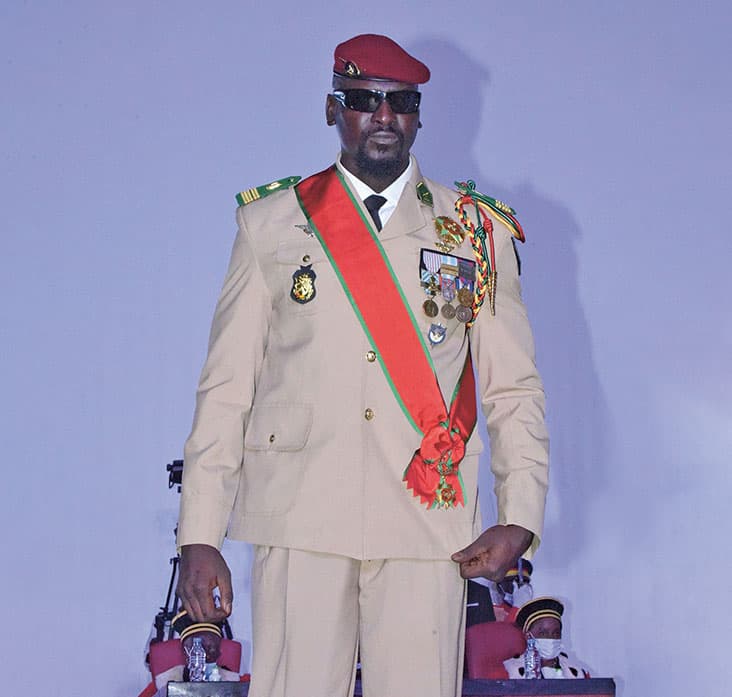
General Mamady Doumbouya has traded his military fatigues for a presidential mandate, claiming a landslide victory in a Guinean election that critics are already dismissing as democratic theater.
The provisional results, released Tuesday, grant the junta leader an overwhelming 86.72% of the vote, cementing his transition from the soldier who seized power at gunpoint four years ago to the country’s elected head of state. For Doumbouya, this is the stamp of legitimacy he has long sought; for his detractors, it is the final act of a scripted performance.
The election commission’s announcement gives Doumbouya a seven-year mandate, bypassing the need for a runoff. However, the path to this victory was cleared long before ballots were cast. Civil society groups have branded the process a "charade," pointing to the systematic exclusion of the General's most formidable challengers.
While the official numbers suggest a unified nation, the atmosphere on the ground tells a fractured story. Opposition candidate Faya Millimono did not mince words regarding the integrity of the process.
"The election was marred by systematic fraudulent practices," Millimono alleged, citing a litany of irregularities that observers say tilted the playing field entirely in the junta's favor:
Adding to the opacity of the vote was a calculated information blackout. As citizens awaited the results on Monday, the digital curtain fell. NetBlocks, a global internet monitor, confirmed that access to major social media platforms—including TikTok, YouTube, and Facebook—had been restricted.
While authorities have offered no official explanation for the outage, the timing is conspicuous. In Nairobi and across the continent, digital rights advocates view such restrictions as a hallmark of regimes attempting to stifle real-time scrutiny and curb the mobilization of dissent.
The results now head to the Supreme Court, which has eight days to validate them. In a political landscape where the judiciary rarely strays from the executive's path, few expect the court to overturn the General's victory, leaving Guinea’s opposition with few avenues for recourse.
Keep the conversation in one place—threads here stay linked to the story and in the forums.
Sign in to start a discussion
Start a conversation about this story and keep it linked here.
Other hot threads
E-sports and Gaming Community in Kenya
Active 9 months ago
The Role of Technology in Modern Agriculture (AgriTech)
Active 9 months ago
Popular Recreational Activities Across Counties
Active 9 months ago
Investing in Youth Sports Development Programs
Active 9 months ago
Key figures and persons of interest featured in this article