We're loading the full news article for you. This includes the article content, images, author information, and related articles.
Governor Sakaja’s Cabinet sanctions a Sh50 billion masterplan to restore Nairobi River, prioritizing dignified resettlement over evictions and promising a green economic corridor.
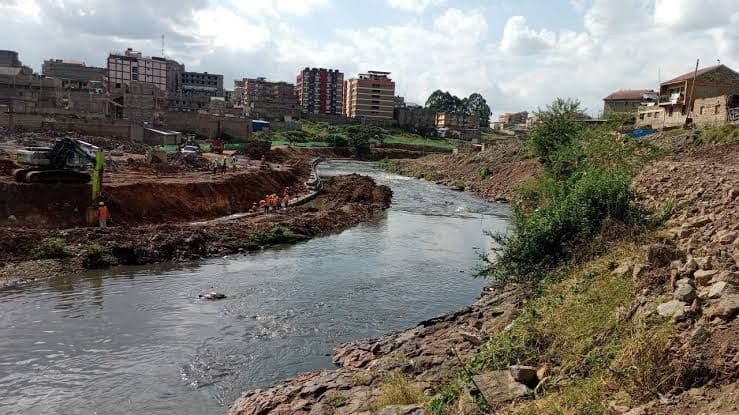
The murky, choked arteries of Nairobi are poised for a radical surgical procedure. In a landmark decision that balances ecological urgency with humanitarian dignity, Governor Johnson Sakaja’s Cabinet has officially ratified the rollout of the Sh50 billion Nairobi River Regeneration Programme.
This is not merely a cleanup; it is a fundamental reimagining of the capital’s hydro-social fabric. Following the directive launched by President William Ruto in March 2025, the Cabinet’s approval this Wednesday signals the transition from planning to kinetic action. The objective is audacious: to transform a 27-kilometre stretch of toxic sludge into a corridor of economic vibrancy, flood resilience, and crystal-clear water. Yet, the true story lies not in the billions committed, but in the administration's pivot away from the brutal evictions of the past toward a model of "dignified resettlement."
For decades, "river restoration" in Nairobi was synonymous with the bulldozer. However, the Cabinet’s latest resolution introduces a paradigm shift. "We are enforcing riparian laws, yes, but not at the expense of our humanity," a senior county official stated during the briefing. The project has mandated extensive social and environmental impact assessments before a single structure is touched in informal settlements like Mukuru and Korogocho.
The plan promises affordable housing solutions—either in situ or in close proximity—ensuring that the families who call the riverbanks home are not exiled from their livelihoods. This "social contract" approach aims to avoid the chaotic scenes of displacement that have marred previous administrations, turning potential adversaries into stakeholders.
The remediation of the Dandora dumpsite, a festering wound on the city’s landscape, is already underway as part of this initiative. By integrating solid waste management with river restoration, the Sakaja administration is tackling the root cause of the pollution. The vision is a "Blue and Green" Nairobi where the river is no longer a sewer, but a destination.
As the bureaucratic wheels turn at City Hall, the residents of Nairobi wait with bated breath. The Sh50 billion wager is on the table. If successful, this will be the greatest urban turnaround in East African history; if it fails, it will be yet another expensive tombstone in the graveyard of broken promises. For now, the green light is on, and the heavy machinery is revving up.
Keep the conversation in one place—threads here stay linked to the story and in the forums.
Sign in to start a discussion
Start a conversation about this story and keep it linked here.
Other hot threads
E-sports and Gaming Community in Kenya
Active 9 months ago
The Role of Technology in Modern Agriculture (AgriTech)
Active 9 months ago
Popular Recreational Activities Across Counties
Active 9 months ago
Investing in Youth Sports Development Programs
Active 9 months ago