We're loading the full news article for you. This includes the article content, images, author information, and related articles.
Treasury opens public participation on the controversial sale of shares in Kenya’s most profitable firm, aiming to raise billions for development as the debt crunch bites.

The government has officially placed the family silver on the auction block—or at least, it is asking for permission to do so. In a move that could reshape the ownership structure of Kenya’s most profitable company, the National Treasury has invited the public to submit views on a proposal to offload a portion of its 35% stake in Safaricom PLC.
This is not just a boardroom maneuver; it is a kitchen-table issue. For millions of Kenyans, Safaricom is synonymous with M-Pesa, the economic lifeblood that powers everything from paying school fees to buying sukuma wiki. The proposal, announced Tuesday, seeks to raise billions of shillings to fund critical infrastructure projects and service mounting public debt.
The National Treasury, currently the second-largest shareholder in the telco after the Vodafone/Vodacom consortium, argues that the sale is a necessary step to unlock liquidity. While the exact percentage on offer has not been explicitly capped in the initial call for views, analysts estimate the state could be looking to divest between 5% and 10% of its holding.
"The objective is to mobilize resources for the Bottom-Up Economic Transformation Agenda without overburdening the taxpayer with new loans," a Treasury official noted during the announcement. "However, the Constitution demands that Wanjiku has a say before we proceed."
The call for public participation is a constitutional safeguard (Article 10), but it also serves as a political litmus test. Safaricom reported a net profit of over KES 62 billion in its last full financial year. Selling a slice of such a high-performing asset is akin to a farmer selling his best dairy cow to pay for a new barn—it solves an immediate problem but reduces future milk yields (dividends).
The stakes are incredibly high. Safaricom accounts for roughly 40% of the total market capitalization of the Nairobi Securities Exchange (NSE). A flood of new shares could dampen the stock price in the short term, but it also offers an opportunity for local investors to buy in—if they have the cash.
Economic analyst Ken Gichinga warns that the timing is critical. "If we sell when the market is bearish, we lose value. But more importantly, we must ask: are we selling to Kenyans, or are we deepening foreign control over our strategic assets?" he posed.
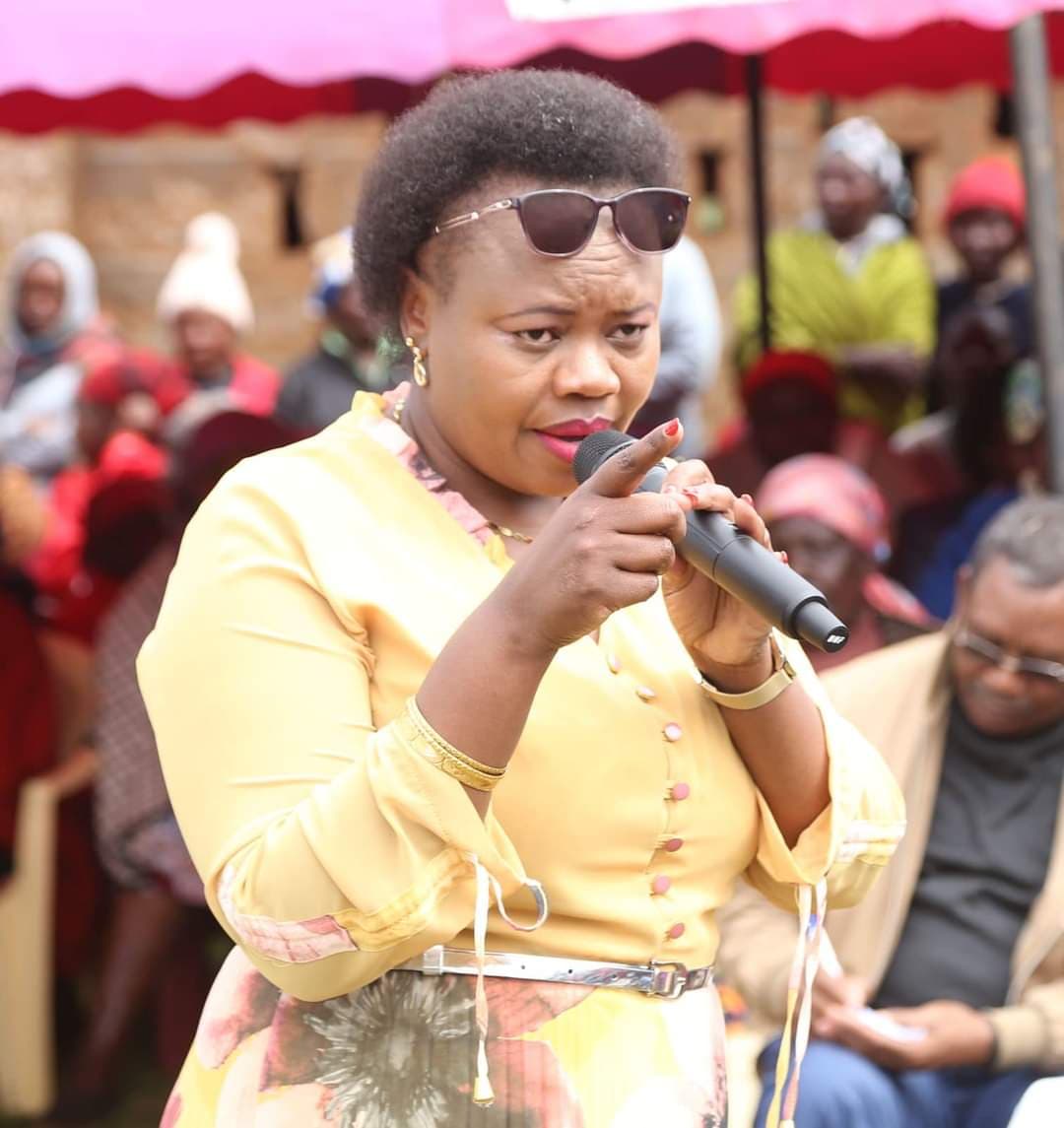
The proposal comes amidst a backdrop of heightened scrutiny over government spending. Just hours before the announcement, Githunguri MP Gathoni Wamuchomba criticized the administration's economic policies, terming the "Singapore Dream" a fallacy if it relies on over-taxation and selling off state assets without curbing wastage.
Critics fear that once the shares are sold, the government loses its leverage in the boardroom of a company that effectively runs the country's payment infrastructure. "M-Pesa is national security," noted digital rights advocate Grace Mutung'u. "Diluting government control requires ironclad guarantees that public interest remains protected."
Kenyans have 14 days to submit their memoranda. As the deadline looms, the question remains: Is this a prudent fiscal strategy, or a desperate fire sale?
Keep the conversation in one place—threads here stay linked to the story and in the forums.
Sign in to start a discussion
Start a conversation about this story and keep it linked here.
Other hot threads
E-sports and Gaming Community in Kenya
Active 9 months ago
The Role of Technology in Modern Agriculture (AgriTech)
Active 9 months ago
Popular Recreational Activities Across Counties
Active 9 months ago
Investing in Youth Sports Development Programs
Active 9 months ago
Key figures and persons of interest featured in this article