We're loading the full news article for you. This includes the article content, images, author information, and related articles.
From Tokyo’s track to the streets of Eldoret, a record-breaking year of prize money and endorsements is reshaping the local economy.

ELDORET — The dust has settled on the 2025 athletics calendar, but the sound of bank alerts is still ringing across the North Rift. In a year defined by Faith Kipyegon’s dominance and a historic medal haul at the Tokyo World Championships, Kenya’s athletics stars didn’t just break records—they repatriated a fortune.
Conservative estimates by financial analysts suggest that Kenyan athletes injected over KES 2.5 billion into the local economy this year. This figure, a potent mix of prize money, appearance fees, and endorsement deals, represents one of the largest single-year inflows of foreign currency from the sports sector in history.
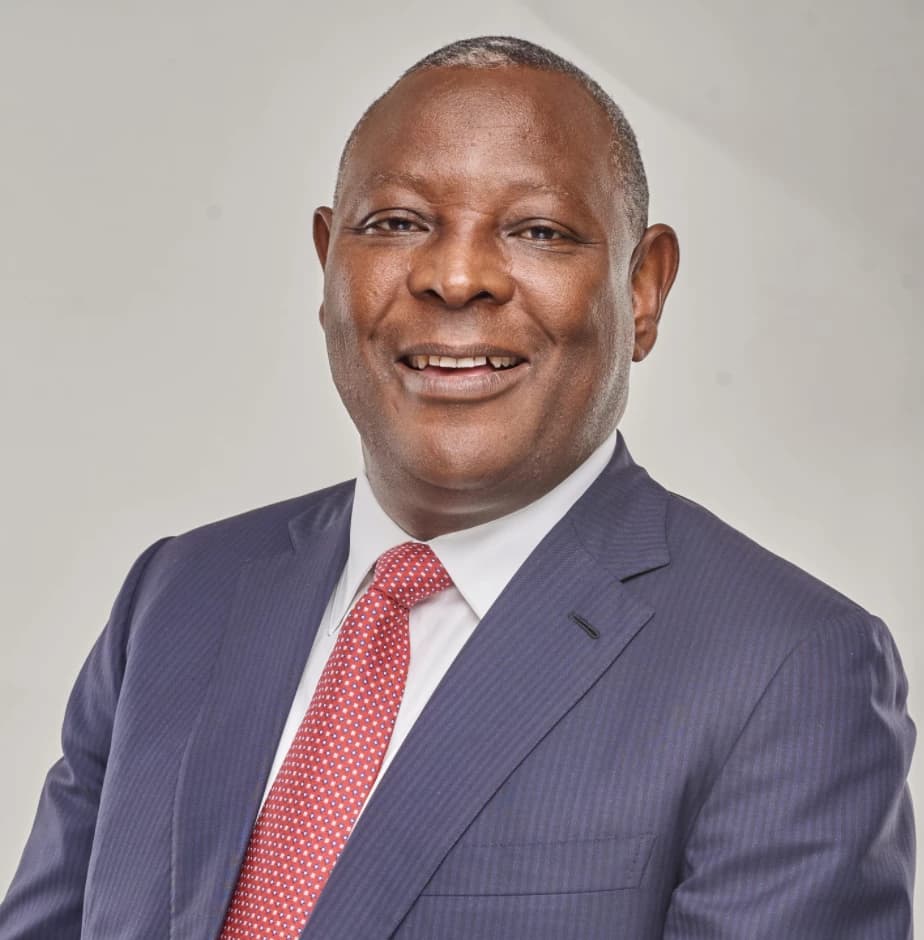
“It is no longer just about national pride,” notes Dr. James Mwangi, an economist based in Eldoret. “When Kipyegon or Wanyonyi cross the finish line, they are essentially signing checks for real estate projects, school fees, and agricultural investments in Uasin Gishu and Elgeyo Marakwet.”
The centerpiece of this financial boom was the World Athletics Championships in Tokyo last September. Kenya’s contingent, which finished second overall, raked in approximately $604,000 (approx. KES 78.5 million) in pure prize money from World Athletics alone.
With seven gold medals—each worth $70,000 (KES 9.1 million)—the team surpassed previous earnings records. The government’s revised reward scheme added another layer of sweetness, with the Ministry of Sports disbursing KES 3 million for every gold medal. For double-gold winners like Beatrice Chebet, the combined payout from Tokyo alone exceeded KES 20 million in under two weeks.
While championships bring glory, the daily bread was earned on the Diamond League circuit. In 2025, the series increased its total prize pot to a historic $9.24 million (KES 1.2 billion). The introduction of “Diamond+” disciplines saw winners in premier events pocketing $20,000 (KES 2.6 million) per race, double the previous standard.
Faith Kipyegon, undefeated in her 1500m campaign, and 800m sensation Emmanuel Wanyonyi were among the biggest beneficiaries. Their consistent wins across Europe, Asia, and the US ensured a steady stream of dollars flowing back to Kenya, independent of their championship bonuses.
The impact of these billions is visible on the ground. In Eldoret, the “City of Champions,” construction sites are buzzing. Athletes are diversifying rapidly, moving away from the traditional purchase of land to investing in commercial high-rises, hospitality, and modern large-scale farming.
“We are seeing a shift in financial literacy,” says Sarah Korir, a wealth manager who advises several top athletes. “The class of 2025 is investing in treasury bonds and sustainable businesses. They understand that their legs have a shelf life, but their money doesn’t have to.”
As the 2026 season looms, the message from 2025 is clear: Athletics is not just a sport in Kenya; it is a multi-billion shilling industry that anchors the economy of an entire region.
Keep the conversation in one place—threads here stay linked to the story and in the forums.
Sign in to start a discussion
Start a conversation about this story and keep it linked here.
Other hot threads
E-sports and Gaming Community in Kenya
Active 9 months ago
The Role of Technology in Modern Agriculture (AgriTech)
Active 9 months ago
Popular Recreational Activities Across Counties
Active 9 months ago
Investing in Youth Sports Development Programs
Active 9 months ago
Key figures and persons of interest featured in this article