We're loading the full news article for you. This includes the article content, images, author information, and related articles.
Asia stocks face severe sell-offs as the US issues a 48-hour ultimatum to Iran over the blockade of the Strait of Hormuz, threatening global oil supplies.
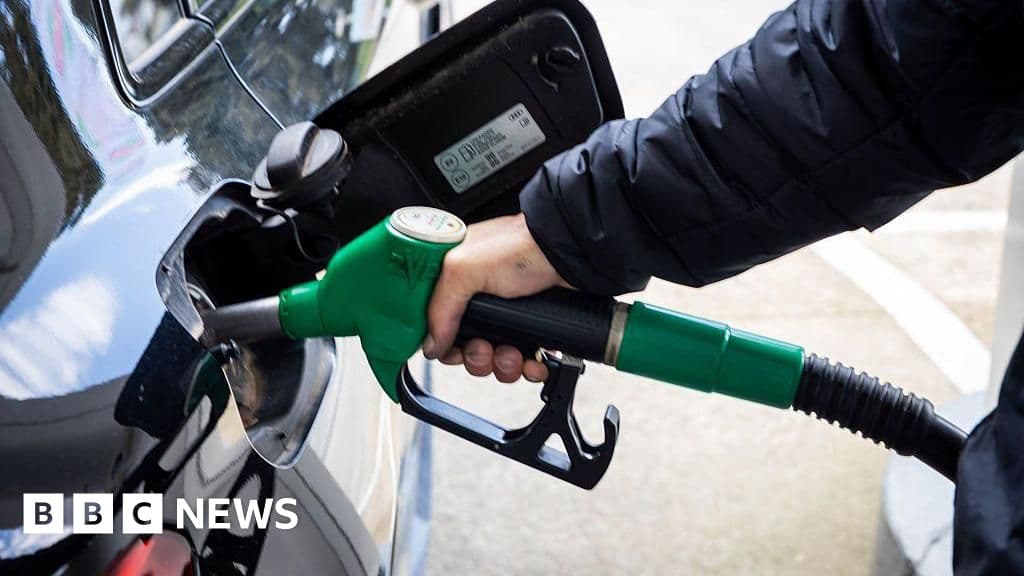
A tense, ticking clock has paralyzed international markets as the United States issued a severe 48-hour ultimatum to Tehran regarding the closure of the Strait of Hormuz. The warning, delivered by the White House late Saturday, threatens the obliteration of Iranian power infrastructure if the vital maritime artery is not immediately reopened, effectively pushing the world to the precipice of a severe, systemic energy crisis.
This geopolitical standoff, now entering its fourth week of active combat, has triggered a flight from risk across Asian equities. Investors are reacting not just to the immediate military threat, but to the existential danger that a sustained blockade of the Strait—which facilitates the passage of approximately 20 percent of the world’s daily oil and liquefied natural gas (LNG) supply—poses to the global industrial base. As of Monday morning, the economic fallout is swift, brutal, and increasingly difficult to contain.
The immediate reaction in Asian trading sessions has been profound, signaling deep institutional fear regarding supply chain continuity and energy security. The Nikkei 225, Japan’s primary stock index, registered a 3.4 percent decline, reflecting the nation’s extreme vulnerability as an almost entirely import-dependent economy. In Seoul, the Kospi index fared even worse, tumbling nearly 5 percent as investors liquidated positions in energy-intensive manufacturing sectors.
The volatility is compounded by the explicit nature of the threats exchanged between Washington and Tehran. The ultimatum, delivered via social media at 23:44 GMT on Saturday, explicitly targeted the critical infrastructure that sustains the Iranian economy. Analysts warn that such brinkmanship removes the diplomatic safety net usually present in energy disputes. Data from market observers highlights the following areas of immediate contagion:
The Strait of Hormuz is not merely a shipping lane it is the central nervous system of the global hydrocarbon market. International Energy Agency (IEA) Executive Director Fatih Birol provided a stark assessment during a press briefing in Australia, describing the convergence of the current oil and gas disruptions as a calamity comparable to the 1970s energy crises, compounded by the logistical ruptures witnessed during the 2022 invasion of Ukraine. Birol characterized the current situation as a tripartite catastrophe: two distinct oil crises and one gas crash simultaneously hitting the global economy.
The strategic reality is that if the Strait remains blocked, the world faces a definitive supply shock that cannot be mitigated by strategic reserves alone. Unlike previous supply disruptions, which were often regional or temporary, the current blockade is a deliberate act of war strategy. Infrastructure experts suggest that even if the Strait were reopened tomorrow, the damage to port infrastructure and the psychological impact on maritime insurance markets would necessitate weeks, if not months, to stabilize.
For a reader in Nairobi, this distant conflict is an immediate economic threat. Kenya, a net importer of refined petroleum products, is exceptionally exposed to global energy price spikes. When global crude prices soar, the impact is felt almost instantaneously at the pump, which in turn acts as a multiplier for inflation across the entire economy. The cost of diesel, specifically, is a critical input for the logistics and transport sector that powers the East African Community’s largest economy.
Analysts at the Central Bank of Kenya and independent economists note that a sustained closure of the Strait would likely force an urgent revision of national budgetary projections. With the Kenyan Shilling already facing pressure from dollar demand, the need to import fuel at potentially triple-digit dollar prices per barrel could drastically accelerate the depreciation of the currency. The downstream impact is predictable and severe:
While the Kenyan government has initiated various measures to buffer fuel prices, the sheer scale of a global supply shock of this magnitude may render localized interventions insufficient. The nation now faces the prospect of either implementing stricter energy rationing or allowing market forces to drive the cost of living to levels not seen in a generation.
The current impasse reveals the failure of traditional diplomatic channels to manage the escalation. The rhetoric from Washington—specifically the threat to obliterate power plants—is being interpreted by security analysts as a final attempt to force a de-escalation by raising the cost of defiance to an unsustainable level for the Iranian state. Conversely, Tehran’s vow to retaliate against energy facilities in the broader region suggests that a kinetic military exchange, should the 48-hour deadline lapse without resolution, could turn a supply disruption into a permanent destruction of regional energy infrastructure.
The silence from major global capitals in the immediate aftermath of the US ultimatum is telling. The international community is bracing for the deadline’s expiration, fully aware that the global economy is currently holding its breath. Whether this ends in a diplomatic breakthrough or a catastrophic military engagement will define the global economic order for the remainder of the decade. The world is watching the clock, waiting to see if energy security will be sacrificed at the altar of geopolitical necessity.
Keep the conversation in one place—threads here stay linked to the story and in the forums.
Sign in to start a discussion
Start a conversation about this story and keep it linked here.
Other hot threads
E-sports and Gaming Community in Kenya
Active 10 months ago
Popular Recreational Activities Across Counties
Active 10 months ago
The Role of Technology in Modern Agriculture (AgriTech)
Active 10 months ago
Investing in Youth Sports Development Programs
Active 10 months ago
Key figures and persons of interest featured in this article