We're loading the full news article for you. This includes the article content, images, author information, and related articles.
Skyrocketing operational costs and stringent new legislative frameworks are pushing wildlife sanctuaries worldwide to the brink of collapse, offering a stark cautionary tale for conservation funding networks across East Africa.
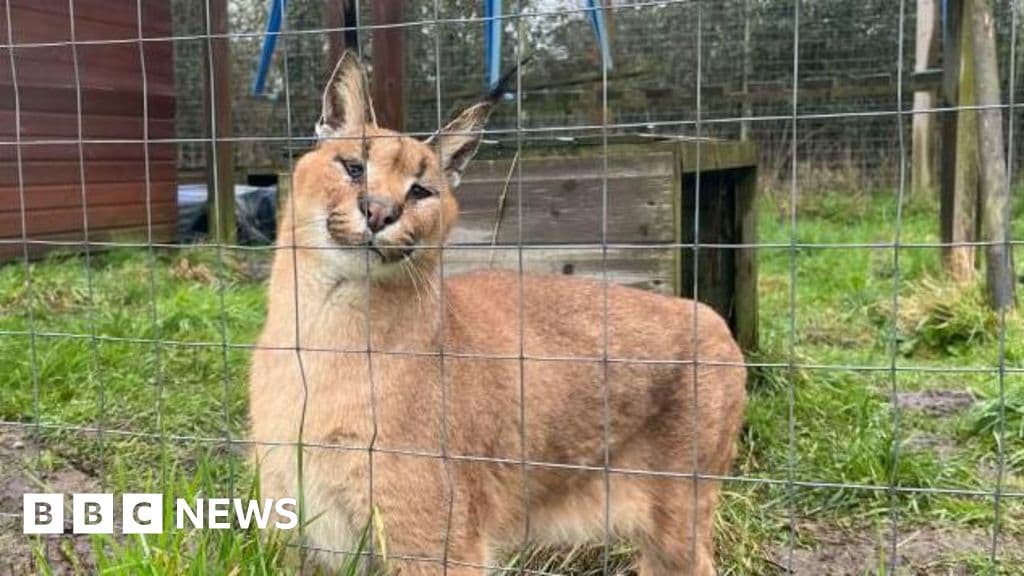
The unsung heroes of global wildlife preservation are facing an existential financial crisis, as soaring energy bills and inflation threaten to shutter the institutions tasked with sheltering vulnerable animals.
While the struggle of the UK-based Ark Wildlife Park—currently bleeding £40,000 (approx. KES 6.6 million) monthly—might seem distant, it echoes a universal vulnerability within the conservation sector. As governments introduce stricter animal ownership laws without corresponding financial safety nets, the burden falls entirely on privately funded rescues. For East African wildlife policymakers, this serves as a critical warning regarding sustainable conservation funding.
Located near Boston, Lincolnshire, the Ark Wildlife Park currently houses 232 exotic animals, including rescued crocodiles, meerkats, and wildcats. Owner Jamie Mintram recently sounded the alarm, declaring the facility is at an absolute "breaking point."
The facility's financial hemorrhage is largely driven by a punishing global cost-of-living crisis. Base energy costs alone account for £5,000 (approx. KES 825,000) a month, an unavoidable expense given that tropical and desert species require continuous, high-intensity artificial heating to survive European winters. The remaining funds are rapidly consumed by specialized dietary requirements, site maintenance, and complex veterinary care.
Income generated from ticket sales and visitors has flatlined, proving entirely insufficient to cover the spiralling baseline operational costs, forcing management to issue desperate public appeals for financial lifelines.
Compounding the financial distress is an impending legislative shockwave. The British government is preparing to enforce stringent new laws making it illegal to privately keep primates without a highly regulated licence. Failure to comply will result in unlimited fines or imprisonment.
While celebrated by animal rights activists, this necessary legal crackdown is expected to trigger a massive surge in abandoned exotic pets. Rescue centres, already operating at a deficit, will be legally and ethically forced to absorb this sudden influx of complex, expensive-to-maintain animals without any state-sponsored financial support.
The crisis in Lincolnshire offers a stark predictive model for Kenya and the wider region. While state bodies like the Kenya Wildlife Service (KWS) manage vast national parks, a significant portion of specialized rehabilitation for orphaned elephants, rhinos, and trafficked primates relies heavily on private donors and tourism receipts.
When global economic downturns suppress tourist arrivals and dry up international donor funding, local conservancies face the exact same catastrophic shortfalls. Relying on unpredictable philanthropy to sustain energy-intensive and medically complex wildlife rehabilitation is a fundamentally flawed strategy.
"Things are at breaking point; we are now asking for a hand just to care for the animals we are already committed to," Mintram stated, a plea deeply understood by conservationists worldwide.
Keep the conversation in one place—threads here stay linked to the story and in the forums.
Sign in to start a discussion
Start a conversation about this story and keep it linked here.
Other hot threads
E-sports and Gaming Community in Kenya
Active 9 months ago
The Role of Technology in Modern Agriculture (AgriTech)
Active 9 months ago
Popular Recreational Activities Across Counties
Active 9 months ago
Investing in Youth Sports Development Programs
Active 9 months ago