We're loading the full news article for you. This includes the article content, images, author information, and related articles.
Gladys Wanga sets firm conditions for ODM’s engagement with UDA, demanding parity and stronghold protection in high-stakes pre-2027 coalition talks.

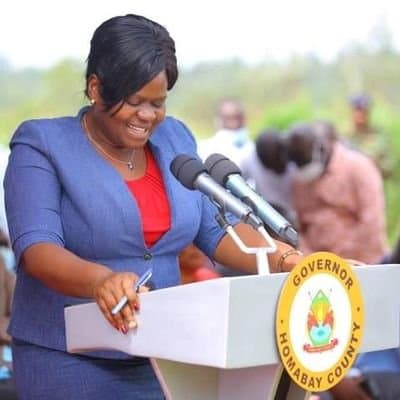
In the high-stakes theater of Kenyan politics, Homa Bay Governor Gladys Wanga has once again redefined the boundaries of opposition cooperation. Speaking with the authority of the Orange Democratic Movement (ODM) National Chairperson, Wanga has laid out a set of uncompromising conditions for the party’s continued engagement with President William Ruto’s United Democratic Alliance (UDA). These demands, characterized as "irreducible minimums," signal that the era of quiet assimilation into the current broad-based government is over, replaced by a push for parity that threatens to either reshape the executive or fracture the very foundation of the current political consensus.
For the informed observer, this is not merely a negotiation over political spoils it is a calculated existential maneuver. As the country drifts toward the 2027 general election, ODM finds itself at a critical crossroads. The party, historically the face of the Kenyan opposition, is now struggling to define its utility within a government it ostensibly opposes yet actively sustains. Wanga’s latest pronouncements serve to force the hands of both President Ruto and the skeptical factions within her own party, transforming the dialogue from one of survival to one of dominance. The stakes are immense: the control of the next government, the preservation of party strongholds, and the legacy of the ODM movement itself.
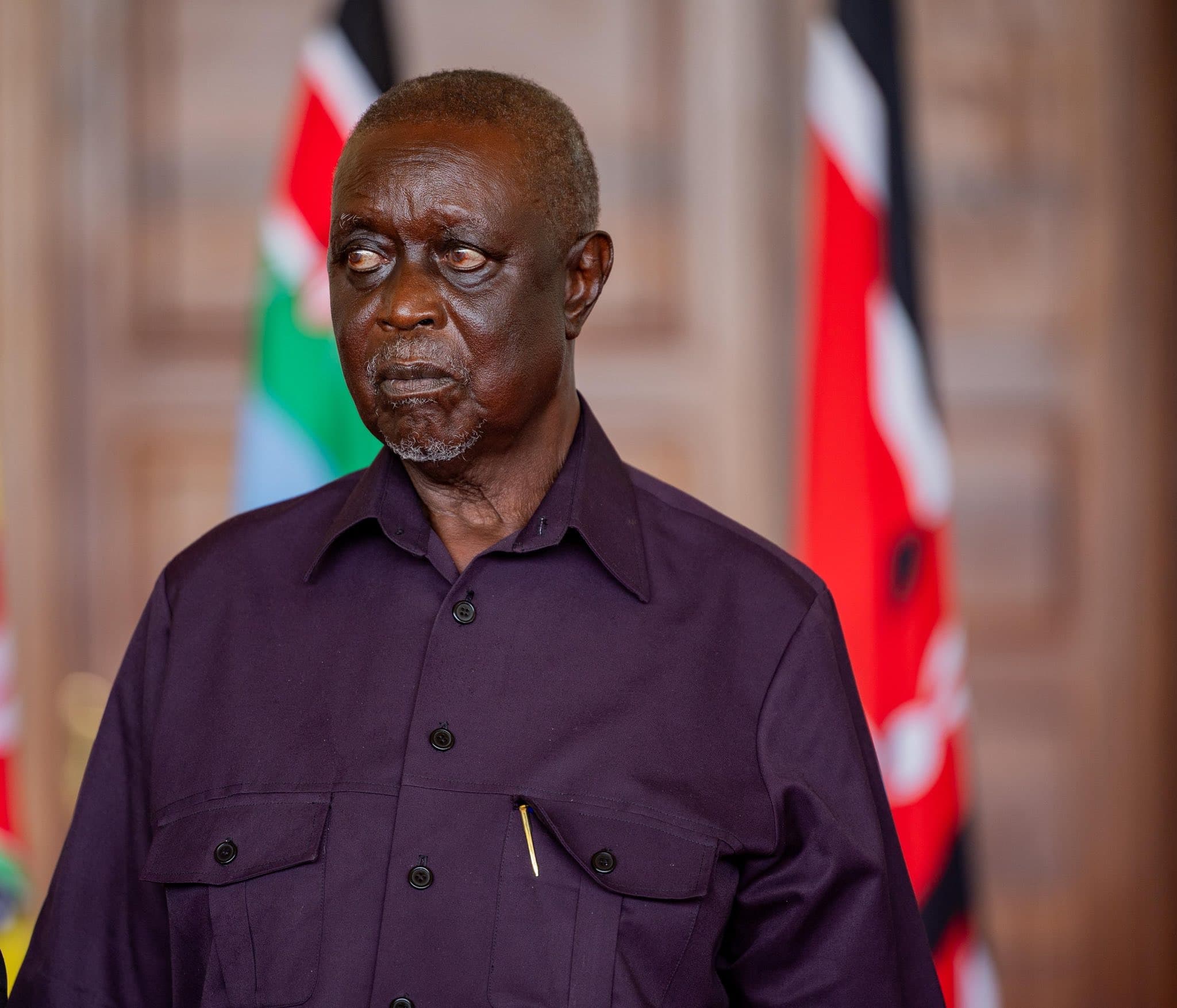
At the core of Wanga’s strategy is the concept of parity, a concept she and other ODM leaders have been championing since early 2026. This is not a request for crumbs it is a demand for a wholesale reorganization of the power-sharing arrangement. The ODM leadership, under the guidance of Dr. Oburu Oginga and executed on the ground by Wanga, has made it clear that their support for President Ruto is contingent upon a 50-50 power-sharing deal.
The specific irreducible minimums, as articulated by the party’s leadership, include:
These demands challenge the premise of a UDA-led presidency. By insisting on a 50-50 split, Wanga is effectively asking for a co-presidency in all but name, a scenario that is likely to encounter fierce resistance from within the UDA hierarchy, where the party’s own loyalists are already anxious about being crowded out of their own government.
Beyond the Cabinet appointments, the most contentious issue remains the territorial integrity of the party. Wanga has been vocal about the need for "five-piece" voting strategies, a call for supporters to elect ODM candidates at every level, from Member of County Assembly (MCA) to Governor. This is a direct response to the UDA’s aggressive expansionist policy, which has seen the ruling party attempt to make inroads into regions previously considered the exclusive domain of the opposition.
Strategists within ODM argue that without such ring-fencing, the party risks being hollowed out from the inside. By negotiating for the exclusion of UDA candidates in ODM strongholds, Wanga is attempting to secure the party’s electoral future. If UDA were to compete freely in these areas, the risk of fragmentation—and the subsequent weakening of ODM’s bargaining power—would be catastrophic. This is the "bucket" logic Wanga has often cited: one cannot go to the negotiation table with an empty bucket and expect to be filled.
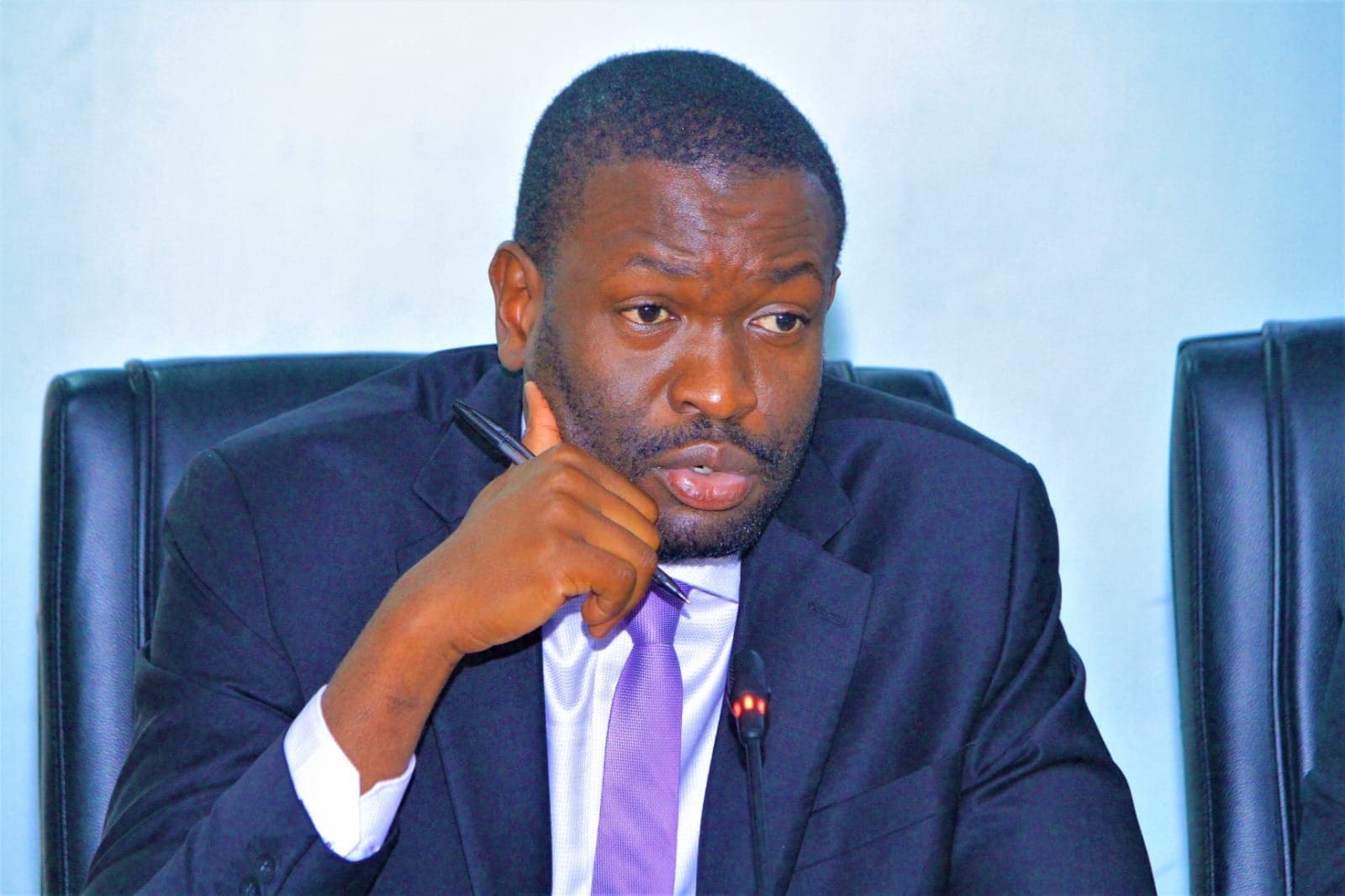
The push for a formalized coalition is not without its domestic critics. A vocal faction within ODM, led by Nairobi Senator Edwin Sifuna, remains deeply skeptical of this rapprochement with the government. For this camp, the "broad-based" government is a dilution of the party’s core mission—a betrayal of the voters who turned out in 2022 to change the administration, not join it.
This internal friction creates a complex backdrop for Wanga’s negotiations. As she presses for a deal, she is also fighting a rearguard action to maintain party cohesion. Critics argue that the leadership is being co-opted, lured by the proximity to state power, while the grassroots base is being neglected. The tension between the "pragmatists" who want to win and the "ideologues" who want to stand firm has turned ODM into a house divided, a vulnerability that UDA is well-positioned to exploit if the negotiations stall.
Kenya’s history is replete with failed political unions, from the collapse of the 2002 NARC coalition to the fragility of the handshake era. The difference, however, lies in the economic and political environment of 2026. The country faces severe fiscal pressure, with public debt management and service delivery crises dominating the national conversation. Both UDA and ODM have realized that total political war is a luxury neither can afford if they wish to govern.
Yet, the history of Kenyan politics also shows that alliances built on convenience often dissolve under the pressure of presidential ambitions. The current "broad-based" arrangement, born of an MOU signed in early 2025, has reached a critical juncture. The question for voters is whether this demand for parity will produce a stronger, more stable government or whether it is merely the opening salvo in an inevitable divorce before the 2027 polls. As Wanga continues to draw these red lines, the country watches to see if the UDA is willing to surrender the control it fought so hard to capture, or if the Orange party will find itself forced to walk away from the table entirely.
Ultimately, the "irreducible minimums" are a gamble. By raising the price of their support, Wanga and the ODM establishment are banking on the idea that the President needs them more than they need the status quo. Whether that calculation holds true in the coming months will determine not only the future of the party but the very shape of Kenya’s next administration.
Keep the conversation in one place—threads here stay linked to the story and in the forums.
Sign in to start a discussion
Start a conversation about this story and keep it linked here.
Other hot threads
E-sports and Gaming Community in Kenya
Active 10 months ago
The Role of Technology in Modern Agriculture (AgriTech)
Active 10 months ago
Popular Recreational Activities Across Counties
Active 10 months ago
Investing in Youth Sports Development Programs
Active 10 months ago
Key figures and persons of interest featured in this article