We're loading the full news article for you. This includes the article content, images, author information, and related articles.
From Nairobi’s vibrant cocktail bars to the fertile slopes of Mount Kenya, a gin renaissance is reshaping tastes and creating a new economic value chain, putting shillings in the pockets of farmers, distillers, and bartenders.
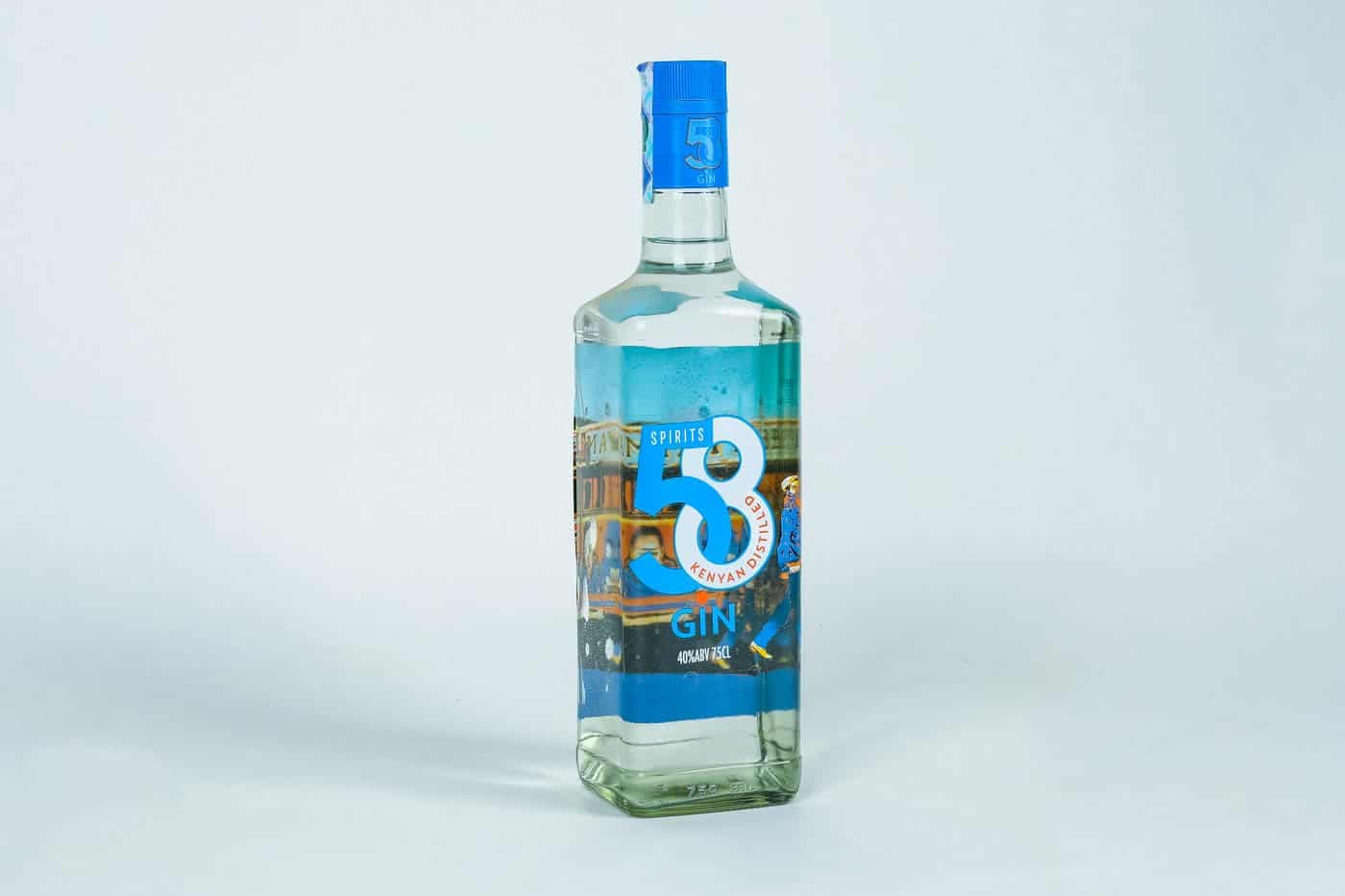
A quiet revolution is stirring in Kenya’s urban centres, served neat, on the rocks, or with a splash of tonic. Gin, once a spirit relegated to the back of the shelf, has surged to become the drink of choice for a new generation, transforming social scenes and, more importantly, creating tangible economic opportunities from the farm to the glass.
This is not merely a story about changing tastes; it’s about the birth of a new industry. The rise of a sophisticated cocktail culture in cities like Nairobi has created a voracious appetite for premium and craft spirits. This demand is fueling the growth of local distilleries that are turning Kenya’s rich botanical landscape into a competitive advantage, creating jobs and a new stream of export revenue.
For years, the Kenyan gin market was dominated by established international brands. However, a new wave of local entrepreneurs is challenging the status quo. Distilleries like Procera Gin and African Originals (KO) are crafting world-class spirits using uniquely Kenyan ingredients. Procera, for instance, utilizes fresh, not dried, juniper berries (Juniperus procera) from the Kenyan highlands, a move that co-founders noted could “change the course of a 300-year-old category.” This focus on local sourcing is creating a direct economic link to rural communities.
African Originals works with farmers across the country to source ingredients like bitter orange leaves from Kilifi, roses from the Mount Kenya region, and mangoes from Makueni, providing a stable market for their produce. This farm-to-bottle approach doesn't just put food on the table for farmers; it builds a sustainable and traceable supply chain that resonates with modern consumers. The impact is tangible:
The gin boom’s economic impact extends far beyond the distillery doors. The burgeoning cocktail scene in Nairobi is a significant job creator, fostering a new class of skilled professionals. Events like Kenya Bartender Week are spurring cocktail tourism and economic development by showcasing local talent and ingredients to a global audience. This growth in the hospitality sector provides stable employment for a young, dynamic workforce.
Furthermore, Kenyan gin is becoming a notable export product. Data shows a steady and significant increase in the value of Kenyan gin exports in recent years:
This upward trend demonstrates a growing international appetite for Kenyan-made spirits, bringing valuable foreign exchange into the country. On the domestic front, the alcoholic beverage industry is a cornerstone of government revenue, contributing KES 51.01 billion in excise taxes in 2023. While specific figures for gin are not isolated, its growing market share is undoubtedly a significant factor.
The narrative of gin in Kenya is also one of female empowerment. Pioneers like Tabitha Karanja, who founded Keroche Breweries in 1997 and transitioned to producing gin and vodka in response to market dynamics, paved the way for a new generation of women in the industry. Her journey, and that of others like Alexandra Chappatte, challenges norms in a traditionally male-dominated sector.
However, this rapid growth is not without its challenges. Proposed changes to excise duty, such as those in the Finance Bill 2024, which could see taxes on a 750ml bottle of gin rise from KES 267 to KES 444, pose a threat to the burgeoning industry. Manufacturers warn that such steep increases could make local spirits unaffordable, potentially pushing consumers towards illicit brews and jeopardizing the very jobs the sector has created.
As Kenya’s gin revolution continues, the challenge lies in balancing revenue generation with sustainable growth. For now, the spirit continues to invigorate not just the social scene, but a uniquely Kenyan economic ecosystem. As one bartender noted, being part of this movement is like being “part of this revolution,” one that is crafting a new identity for Kenya on the global spirits map.
Keep the conversation in one place—threads here stay linked to the story and in the forums.
Sign in to start a discussion
Start a conversation about this story and keep it linked here.
Other hot threads
E-sports and Gaming Community in Kenya
Active 9 months ago
The Role of Technology in Modern Agriculture (AgriTech)
Active 9 months ago
Popular Recreational Activities Across Counties
Active 9 months ago
Investing in Youth Sports Development Programs
Active 9 months ago
Key figures and persons of interest featured in this article