We're loading the full news article for you. This includes the article content, images, author information, and related articles.
Yasser Abu Shabab, a prominent anti-Hamas figure backed by Israel, is dead. His own group cites a family dispute, while his tribe alleges betrayal and Hamas hints at retribution.
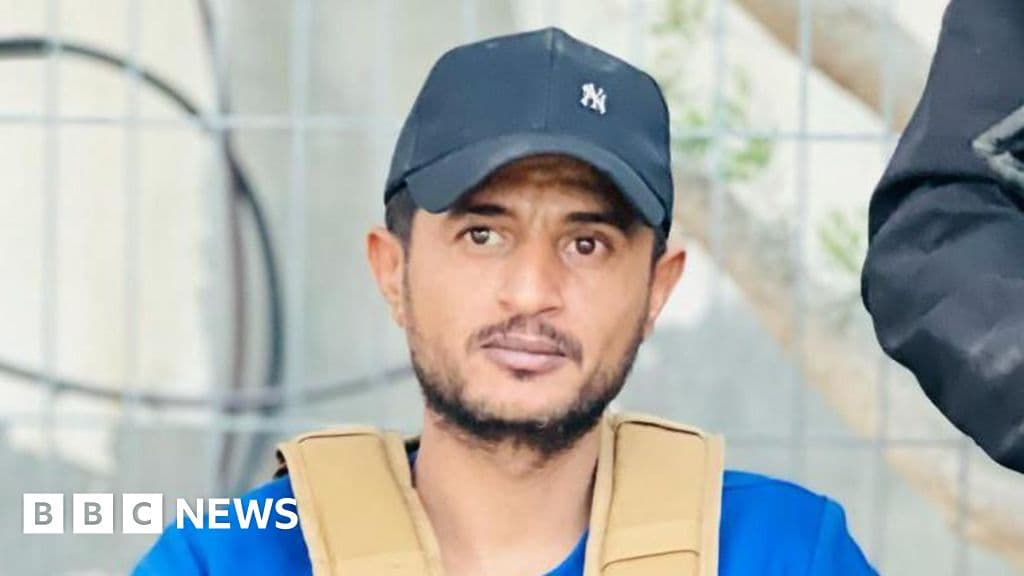
A controversial, Israeli-backed Palestinian militia leader has been killed in Gaza, igniting a storm of conflicting accusations that lays bare the volatile internal power struggles fracturing the territory. Yasser Abu Shabab, head of the so-called Popular Forces, died from gunshot wounds in the southern city of Rafah.
His death is a significant blow to Israeli efforts to cultivate local proxies to challenge Hamas's authority in Gaza. It highlights the chaotic and dangerous landscape of shifting allegiances, where family feuds, tribal politics, and military strategy collide with deadly consequences.
Accounts of Abu Shabab's death diverge sharply, painting a murky picture of his final moments. His own militia, the Popular Forces, was quick to deny that the rival Islamist group Hamas was involved. In a statement, the group insisted Abu Shabab was shot while "attempting to resolve a dispute" between members of the Abu Seneima family.
However, this narrative is fiercely contested. Other sources point to a more complex sequence of events, suggesting an altercation erupted after Abu Shabab refused a request to release a detained individual, leading to the fatal shooting. In a stunning counternarrative, Abu Shabab's own Bedouin tribe, the Tarabin, issued a statement claiming he was killed "at the hands of the resistance" and accused him of betraying the Palestinian people.
Hamas, for its part, did not claim responsibility but released a menacing statement. It declared that the "inevitable fate of all who betray their people" had befallen Abu Shabab, framing his death as a consequence of collaborating with Israel.
Yasser Abu Shabab was a deeply polarizing figure who rose to prominence during the Gaza war. A member of the powerful Tarabin tribe, he had a criminal history and was imprisoned by Hamas on drug trafficking charges before escaping during an Israeli airstrike. He then assembled a militia of several hundred fighters, known as the Popular Forces, which exerted control over parts of Rafah and key humanitarian aid routes.
His operations were controversial. While his group claimed to be protecting aid convoys from Hamas, United Nations officials and locals accused them of systematic, large-scale looting. Israel acknowledged providing support, including weapons, to Abu Shabab's militia as part of a strategy to weaken Hamas from within. This backing turned Abu Shabab into a prime target for Hamas, which had previously attempted to assassinate him.
The violent end of Yasser Abu Shabab underscores the profound instability in Gaza. With multiple armed factions vying for power and control over resources, the landscape remains dangerously unpredictable. His death removes a key player from the board but leaves behind a power vacuum that could fuel further conflict. The Popular Forces have pledged to continue on his path "until the last terrorist is eliminated," signaling that this chapter of internal strife is far from over.
Keep the conversation in one place—threads here stay linked to the story and in the forums.
Sign in to start a discussion
Start a conversation about this story and keep it linked here.
Other hot threads
E-sports and Gaming Community in Kenya
Active 9 months ago
The Role of Technology in Modern Agriculture (AgriTech)
Active 9 months ago
Popular Recreational Activities Across Counties
Active 9 months ago
Investing in Youth Sports Development Programs
Active 9 months ago



