We're loading the full news article for you. This includes the article content, images, author information, and related articles.
Deputy President Rigathi Gachagua alleges a scheme by the electoral commission to use civilian officers to manipulate upcoming by-elections, escalating political tensions and placing the IEBC's credibility under intense scrutiny.
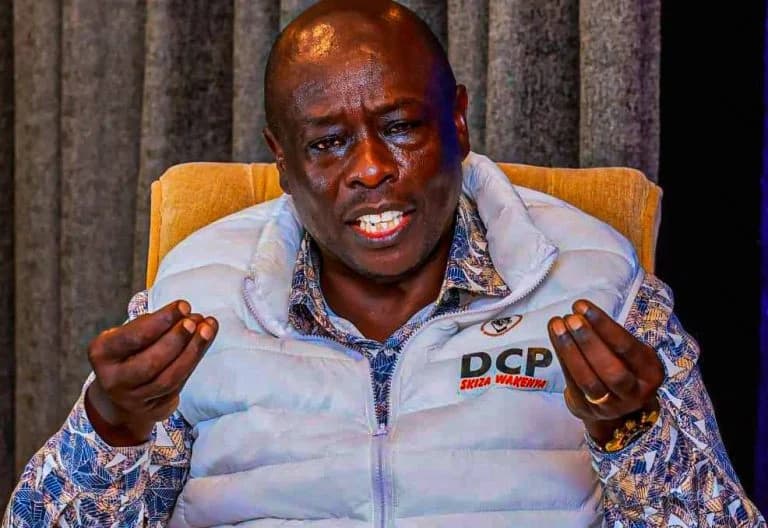
NAIROBI, KENYA – Deputy President Rigathi Gachagua on Wednesday, November 26, 2025, accused the Independent Electoral and Boundaries Commission (IEBC) of a plot to use plainclothes officers to stuff ballots in favour of state-aligned candidates in the by-elections scheduled for Thursday, November 27. The allegations, made on the eve of the polls, have ignited a political firestorm, drawing sharp rebuttals from the IEBC and the ruling United Democratic Alliance (UDA) party and raising concerns over the integrity of the electoral process.
Speaking at a command centre in Nairobi, Mr. Gachagua claimed it was the first time civilian officers were being allowed access to polling areas to facilitate a “ballot-stuffing syndicate,” urging Kenyans to remain vigilant at polling stations after casting their votes. “After the state sensed defeat in the upcoming polls, they decided to resort to desperate measures such as voter stuffing,” Gachagua stated, warning that Kenyans would not be forced to elect leaders they do not want.
The Deputy President's claims are part of a series of accusations he has levelled against the electoral body in the lead-up to by-elections in Magarini, Mbeere North, Kasipul, and Narok Town Ward. In a formal letter to IEBC Chairperson Erastus Ethekon dated November 24, 2025, Gachagua had previously alleged that IEBC Vice Chairperson Fahima Araphat Abdalla was attempting to interfere with the Magarini poll by intimidating electoral officials and engaging in a bribery scheme. He demanded her resignation, questioning how the commission could be trusted to oversee the 2027 General Election if its leadership could interfere in a single by-election.
The IEBC has vehemently denied the allegations. In a statement, the commission refuted claims of voter bribery and ballot manipulation, stating it had not received any formal complaints regarding such incidents. Chairperson Erastus Ethekon assured the public that the by-elections would be conducted with full integrity and transparency, adhering to the legal framework. The IEBC emphasized that its officials are independent, law-abiding, and do not take instructions from political actors. The commission also noted that the list of poll officials was shared with political parties on November 14, 2025, to allow for objections.
The ruling UDA party, which Gachagua belongs to, issued a scathing response, dismissing the Deputy President's claims as “political fiction” and a “misguided missile of vendetta.” In a letter to the IEBC, UDA Secretary-General Hassan Omar accused Gachagua of launching personal attacks to discredit the commission and its officials whenever he senses political defeat. The party urged the IEBC and other state institutions to hold Gachagua accountable for what it termed “insensate calls to chaos.”
The public confrontation between the Deputy President and a critical independent institution like the IEBC carries significant weight for Kenya's democracy, which has a history of disputed elections. These by-elections are widely seen as a litmus test for the IEBC's preparedness for the 2027 general elections.
Civil society organizations, such as the Elections Observation Group (ELOG), have consistently called for monitoring and transparency to build public confidence in the electoral process. Such groups play a crucial role in observing polls and verifying results independently.
Under the Election Offences Act, 2016, electoral malpractice, including ballot stuffing, bribery, and the use of force or violence, carries severe penalties. Recent amendments passed by Parliament in August 2025 introduced even stiffer fines of up to Ksh 5 million and jail terms for IEBC officials found guilty of deliberately altering or delaying results. The law explicitly forbids the use of public resources for campaigning and interference by public officers.
As Kenyans head to the polls in the affected constituencies, the standoff has created a climate of suspicion. The outcome and conduct of these by-elections will be closely watched by all stakeholders, both locally and internationally, as a key indicator of the health and resilience of Kenya's electoral systems ahead of the next national contest.
Keep the conversation in one place—threads here stay linked to the story and in the forums.
Sign in to start a discussion
Start a conversation about this story and keep it linked here.
Other hot threads
E-sports and Gaming Community in Kenya
Active 9 months ago
The Role of Technology in Modern Agriculture (AgriTech)
Active 9 months ago
Popular Recreational Activities Across Counties
Active 9 months ago
Investing in Youth Sports Development Programs
Active 9 months ago
Key figures and persons of interest featured in this article