We're loading the full news article for you. This includes the article content, images, author information, and related articles.
France rejects claims of bowing to Washington pressure, asserting that Kenya—not South Africa—was the intended guest for the upcoming G7 summit in Evian.

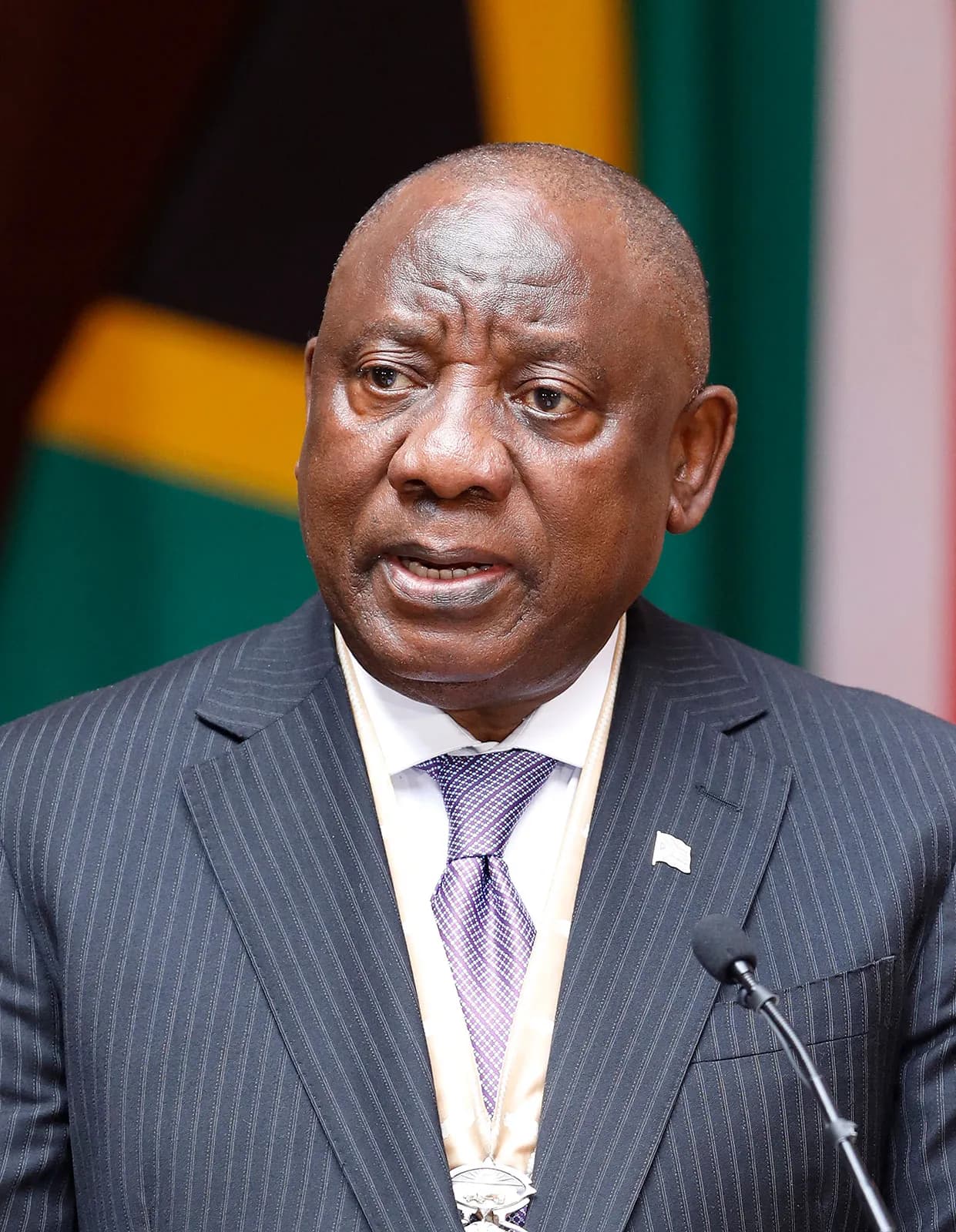
The diplomatic cables were barely cold before the narrative fractured: a simple question of who would attend a Group of Seven summit in the French town of Evian has transformed into a high-stakes investigation of shifting geopolitical loyalties. On Thursday, the South African presidency dropped a diplomatic bombshell, alleging that Washington had exerted immense pressure on Paris to effectively uninvite President Cyril Ramaphosa from the upcoming June gathering of the world’s leading industrialised democracies.
This is not merely a matter of a guest list it is a profound indicator of the widening chasm between the G7 and the BRICS-plus bloc. As South Africa cries foul over perceived American interference, Paris is scrambling to reframe the controversy as a calculated pivot toward East Africa, specifically Nairobi. At stake is the influence of emerging powers in the international order, with Pretoria finding itself increasingly sidelined by Western institutions, while Nairobi emerges as a preferred security and economic anchor for the Global North in Africa.
Jean-Noel Barrot, the French Foreign Minister, addressed the allegations on the sidelines of a G7 foreign ministers’ meeting with a tone of practiced diplomatic neutrality. He forcefully rejected the notion that the Elysée Palace had capitulated to demands from the White House, asserting that the invitation process was driven entirely by French strategic priorities rather than external duress.
According to Barrot, the choice of Kenya was a sovereign decision intended to foster a more streamlined summit focused on specific geo-economic challenges, such as supply chain resilience and green energy transitions. He sidestepped direct inquiries regarding whether an invitation had ever been extended to Pretoria, focusing instead on the continuity of the Franco-South African relationship.
The French position, as articulated by the Foreign Ministry, hinges on the following strategic justifications for the guest selection:
The accusation levelled by the South African presidency brings to the surface long-simmering tensions between Pretoria and Washington. Relations have been strained by South Africa’s vocal foreign policy, particularly its leadership in bringing cases before international tribunals regarding the conflict in Gaza and its neutral, often sympathetic, stance toward Moscow in the context of the Ukraine war.
Analysts suggest that for the United States, an invitation to a G7 summit carries significant political capital, signaling a country’s alignment with the liberal democratic order. By allegedly pushing to exclude South Africa, observers argue that Washington is signaling its discontent with Pretoria’s independent, and sometimes confrontational, foreign policy posture. While France officially denies any interference, the geopolitical reality is that the G7—a bloc deeply influenced by American security concerns—is becoming increasingly selective about which emerging powers are brought into its inner circle.
For Nairobi, the inclusion in the Evian summit is a massive validation of the country’s aggressive foreign policy and its role as a stable democratic partner in East Africa. Under the current administration, Kenya has moved to solidify its position as the gateway for Western investment in the region, effectively balancing its interests with a pragmatic, transactional approach to diplomacy.
Economists and political scientists point to several factors that have made Kenya a more attractive partner for the G7 than South Africa in the current climate:
The incident in Evian leaves Pretoria in a difficult position. If South Africa remains locked out of the core G7 deliberations, it risks being further isolated from the discussions that shape global economic policies, particularly regarding the reform of international financial institutions. Conversely, the South African leadership may double down on the BRICS bloc, viewing this incident as proof that the G7 is a closed shop that does not reflect the realities of the modern world.
As the June summit approaches, the focus will likely remain on whether this exclusion represents a permanent cooling of relations or a temporary diplomatic correction. For the people of South Africa, the question is whether their government’s principled stance on global issues is worth the potential diplomatic and economic cost of exclusion from the highest tables of power. For Nairobi, the invitation is a victory, but one that comes with the expectation of deeper integration into a Western-led economic framework that may not always align with the broader interests of the African Union.
The diplomatic dust has yet to settle, but the message from Paris and Washington is clear: in the era of fragmented globalization, invitations to the table are no longer just diplomatic niceties—they are currency, and they are being spent with increasing caution.
Keep the conversation in one place—threads here stay linked to the story and in the forums.
Sign in to start a discussion
Start a conversation about this story and keep it linked here.
Other hot threads
E-sports and Gaming Community in Kenya
Active 10 months ago
The Role of Technology in Modern Agriculture (AgriTech)
Active 10 months ago
Popular Recreational Activities Across Counties
Active 10 months ago
Investing in Youth Sports Development Programs
Active 10 months ago
Key figures and persons of interest featured in this article