We're loading the full news article for you. This includes the article content, images, author information, and related articles.
Ford Kenya rejects UDA calls for merger, warning that forced consolidation threatens Kenya’s democratic future ahead of the 2027 general elections.
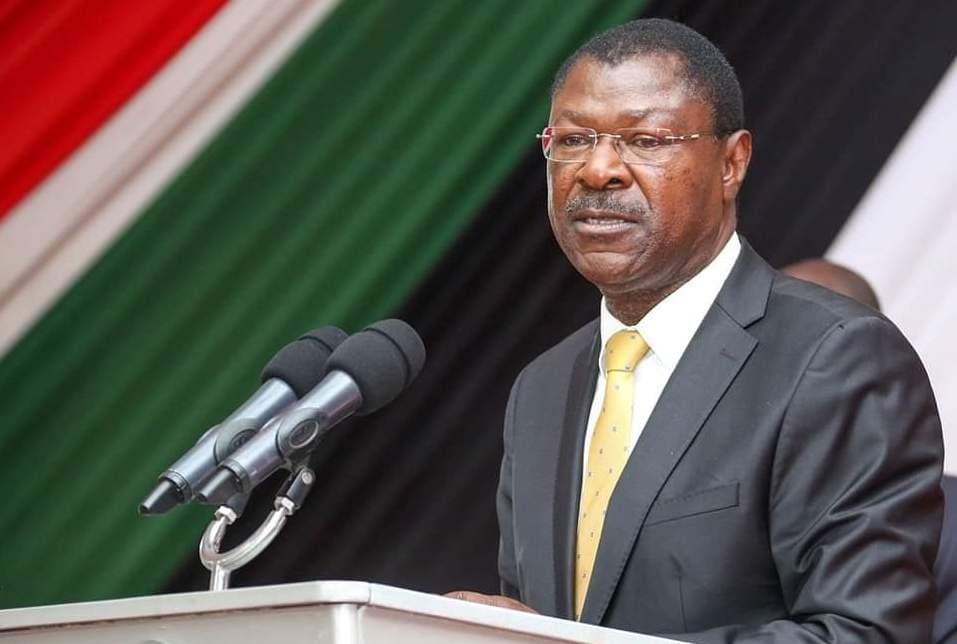
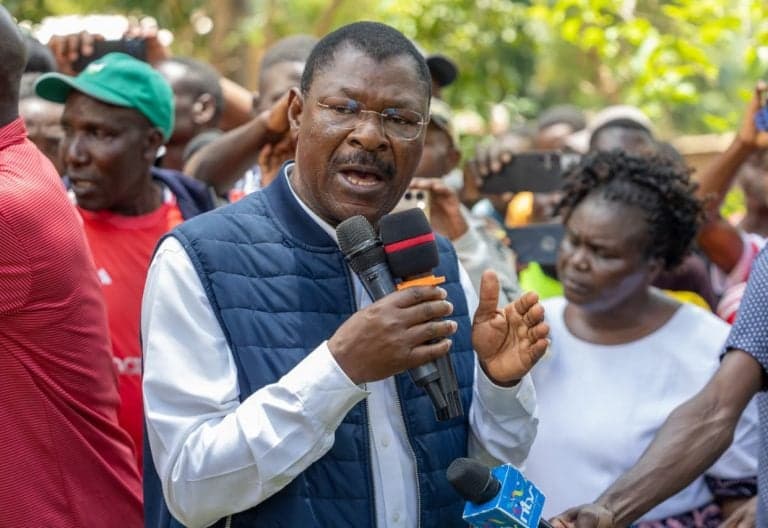
The ultimatum arrived not through official policy documents, but via the abrasive rhetoric of coalition politics, marking a definitive rupture in the Kenya Kwanza administration. National Assembly Speaker Moses Wetangula and his party, the Forum for the Restoration of Democracy (Ford-Kenya), have issued a categorical rejection of demands to dissolve their party into the ruling United Democratic Alliance (UDA).
This standoff represents more than a localized dispute it is a critical test of the future of Kenyan political pluralism as the country pivots toward the 2027 General Election cycle. At stake is the survival of one of Kenya’s oldest political institutions against an aggressive drive by the ruling party to consolidate power under a singular, monolithic entity.
In a formal statement released on Monday, March 23, Ford-Kenya Secretary-General John Chikati labeled the pressure from UDA leadership as a direct affront to the nation’s democratic fabric. The party’s resistance was prompted by recent warnings from UDA figures, including Nandi Senator Samson Cherargei, who suggested that affiliate parties failing to merge into the UDA risked exclusion from government appointments and political leverage in the upcoming electoral cycle.
For Ford-Kenya, the rhetoric constitutes political blackmail. The party asserts that it is the custodian of a historical legacy that transcends individual administration cycles. Leadership maintains that Ford-Kenya is held in trust for the people of Kenya, particularly its core base in the Western region, and cannot be liquidated to satisfy the organizational goals of a coalition partner.
The resistance from Ford-Kenya is heavily informed by the cautionary tale of the Amani National Congress (ANC), led by Prime Cabinet Secretary Musalia Mudavadi. In recent months, attempts to collapse the ANC into the UDA faced severe judicial scrutiny. High Court rulings subsequently halted the process, highlighting that such mergers must strictly adhere to the Political Parties Act (2011), which requires voluntary participation and transparent democratic processes.
Legal analysts note that when parties ignore these constitutional thresholds in favor of political expediency, they risk leaving members "politically homeless." As the Ford-Kenya statement argued, forced mergers do not generate unity they cultivate resentment and long-term instability within the coalition. The party points to the exodus of disgruntled members from recently merged entities as evidence that structural absorption often precipitates a loss of grassroots loyalty rather than a strengthening of the political base.
For President William Ruto’s UDA, the push for a single party is a calculated gamble to simplify the landscape ahead of 2027. By centralizing political machinery, the administration hopes to minimize the friction of coalition negotiations and present a unified front to voters in the vote-rich Western and Mt. Kenya regions. However, this strategy faces a mounting "2032 Problem"—a term used by political observers to describe the uncertainty surrounding party loyalty after the current administration’s constitutional term limit expires.
If small, historic parties are systematically dissolved today, political analysts question what mechanism will exist to preserve regional interests and diverse ideological representation in the post-Ruto era. By refusing to fold, Ford-Kenya is positioning itself as a buffer against total centralization, essentially arguing that a diverse coalition is more resilient and electorally viable than a top-down political monolith.
Grassroots organizers in Bungoma and surrounding counties emphasize that Ford-Kenya is the only political vehicle that consistently articulates their specific socio-economic concerns. They argue that dissolving the party would effectively erase their bargaining power in the national budget and legislative processes. To these voters, the party is not merely an electoral vehicle but a regional identifier.
The current tension is also exacerbated by internal UDA dynamics. Figures like Senator Cherargei have signaled that government opportunities may be contingent upon total integration. This transactional approach to governance, however, has backfired, creating a siege mentality within Ford-Kenya that is likely to strengthen, rather than weaken, their resolve to remain independent.
As the clock ticks toward 2027, the Kenya Kwanza administration faces a delicate balancing act. They must manage the internal contradictions of a coalition that simultaneously demands absolute loyalty while attempting to absorb the very partners that sustain its parliamentary majority. Whether this current tension leads to a compromise or a fracture remains the defining question for the stability of the ruling coalition in the months ahead.
Keep the conversation in one place—threads here stay linked to the story and in the forums.
Sign in to start a discussion
Start a conversation about this story and keep it linked here.
Other hot threads
E-sports and Gaming Community in Kenya
Active 10 months ago
The Role of Technology in Modern Agriculture (AgriTech)
Active 10 months ago
Popular Recreational Activities Across Counties
Active 10 months ago
Investing in Youth Sports Development Programs
Active 10 months ago
Key figures and persons of interest featured in this article