We're loading the full news article for you. This includes the article content, images, author information, and related articles.
After a year of financial scrutiny, the global body restores full access to development grants, handing Hussein Mohammed’s administration a critical win—but with strict strings attached.
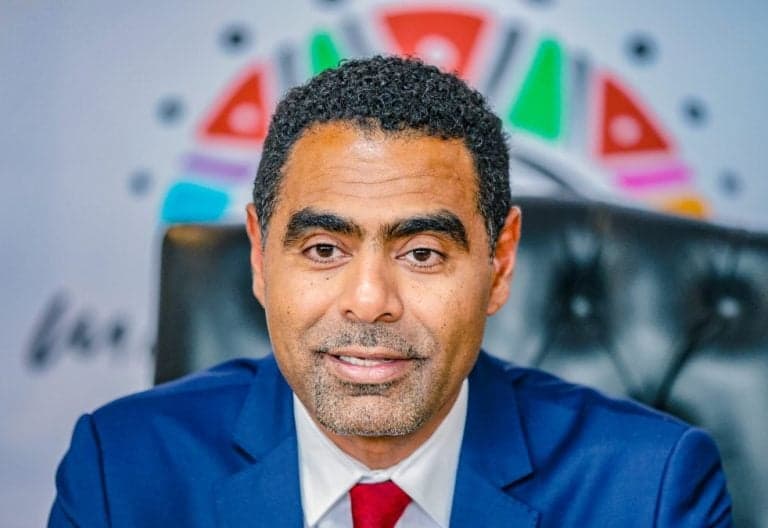
The financial drought that has parched Kenyan football fields is finally over. After months of tight-fisted scrutiny, FIFA has officially opened the taps, lifting the funding freeze that had crippled the Football Kenya Federation (FKF) operations.
In a letter dated December 15 and addressed to FKF General Secretary Harold Ndege, FIFA confirmed that the federation had successfully cleared the governance hurdles that triggered the blockade. The decision effectively releases the backlog of the FIFA Forward 3.0 grants—a war chest valued at approximately $8 million (KES 1.03 billion) for the 2023-2026 cycle.
For the average Kenyan fan, this isn't just boardroom paperwork. It means the Harambee Stars can travel without logistical nightmares, referees get paid on time, and the stalled technical centre in Machakos can finally rise from the dust.
The breakthrough comes just days after FKF President Hussein Mohammed marked his first anniversary in office. His administration had inherited a federation under the microscope, with funding frozen following a "less than favourable" central audit review in 2024.
"In light of the positive steps made by the FKF regarding the implementation of the action plan and the improved results of the 2024 central audit review, we hereby confirm that your case was positively reviewed," wrote Elkhan Mammadov, FIFA’s Chief Member Associations Officer.
The relief at Kandanda House is palpable. Without these funds, the federation has been operating on fumes, struggling to support age-grade teams—a gap Mohammed candidly acknowledged earlier this week when he took responsibility for the Under-17 team's recent struggles.
However, FIFA has not written a blank cheque. The lifting of the ban comes with a "strict liability" clause. The global body remains wary of the financial mismanagement that plagued previous regimes and has imposed a mandatory monthly reporting schedule until at least March 2026.
The unlocked funds are earmarked for specific, high-impact areas:
For the local football ecosystem, the timing is critical. With Kenya preparing to co-host AFCON 2027, the pressure to produce a competitive national team is mounting. The release of funds allows the FKF to operationalize its new partnership with the Acakoro Football Academy, a move designed to professionalize the talent pipeline for the U15 and U17 squads.
"We have lacked proper structures," Mohammed noted during a recent press briefing. "This funding allows us to move from excuses to deliberate structural action."
As the money begins to flow, the burden of proof now shifts back to the federation. The cash is there, but so are the eyes of every stakeholder—from Zurich to Nairobi.
Keep the conversation in one place—threads here stay linked to the story and in the forums.
Sign in to start a discussion
Start a conversation about this story and keep it linked here.
Other hot threads
E-sports and Gaming Community in Kenya
Active 10 months ago
Popular Recreational Activities Across Counties
Active 10 months ago
The Role of Technology in Modern Agriculture (AgriTech)
Active 10 months ago
Investing in Youth Sports Development Programs
Active 10 months ago



