We're loading the full news article for you. This includes the article content, images, author information, and related articles.
Nairobi readies for the 22nd SOYA Awards, featuring regional icons Haile Gebrselassie and Alphonce Simbu, signaling a push for Pan-African sports integration.

The silence of the track at Uhuru Gardens will soon be replaced by the roar of celebration as Nairobi prepares to host the 22nd Sports Personality of the Year (SOYA) Awards. This year, the gala transcends borders, welcoming Ethiopian distance legend Haile Gebrselassie and Tanzanian world marathon champion Alphonce Simbu as its chief guests.
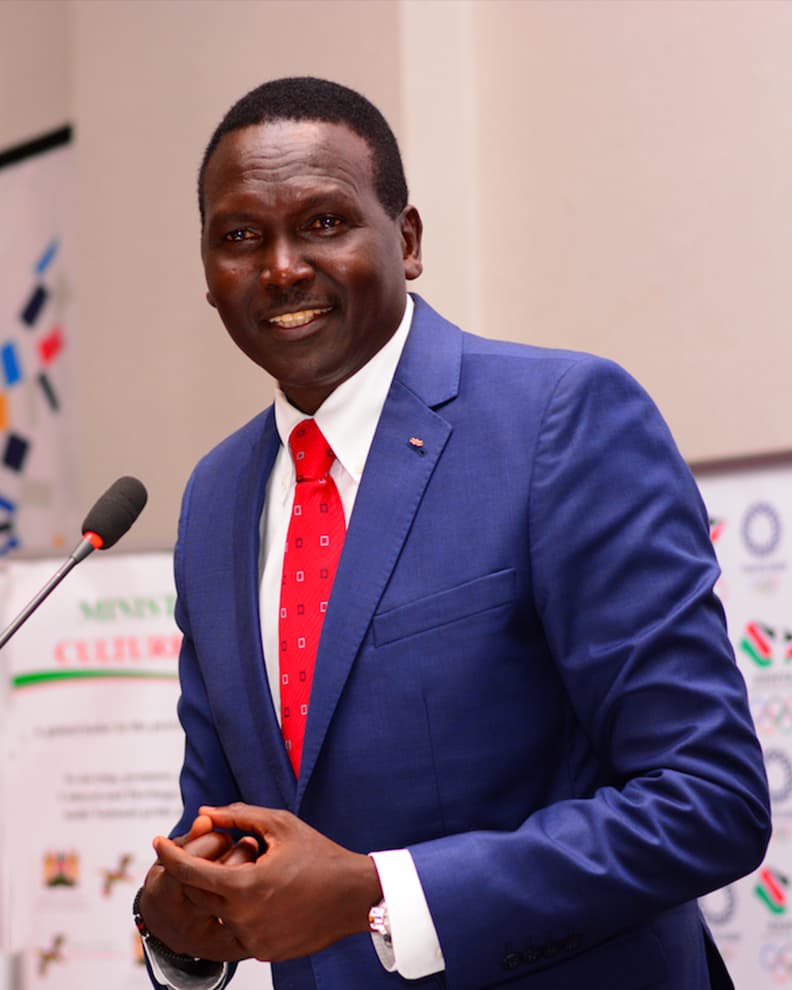
This is not merely an awards ceremony it represents a strategic pivot for the SOYA brand. By inviting regional titans to headline the April 10 event, founder Paul Tergat is signaling a shift toward a Pan-African identity. The move aims to cement the awards as the premier platform for recognizing athletic excellence not just in Kenya, but across the East African bloc and the wider continent, creating a unified narrative of African sporting dominance.
The selection of Haile Gebrselassie and Alphonce Simbu is a calculated bridge between the past and future of East African distance running. Gebrselassie, the Ethiopian icon known as the Emperor of the track, remains one of the most decorated distance runners in history. His presence offers more than just star power it provides a direct line of mentorship to the next generation of Kenyan athletes.
Simbu, conversely, represents the current cutting edge. Coming from Tanzania—a nation that is increasingly making its mark on the global marathon circuit—his attendance reflects the diverse emerging talent pool in the region. Speaking during the event launch, Tergat emphasized that the 2025–2030 strategy for SOYA is to cultivate a regional ecosystem where athletes from across East Africa can share knowledge, training methodologies, and commercial opportunities.
This Pan-African ambition is supported by new partnerships with entities like Homeboyz Entertainment, which aims to integrate sports with the creative economy. By bringing media, entertainment, and athletics under one roof, the organizers are attempting to solve the age-old problem of sports sustainability in the region: how to monetize talent beyond the racetrack.
Since its inception in 2004, the SOYA Awards have evolved from a modest grassroots initiative into a comprehensive ecosystem that monitors, tracks, and rewards performance throughout the calendar year. The event serves as a critical barometer for the health of Kenya’s sports industry.
The current state of the awards can be measured through several key performance indicators:
The shift is also evident in the commercial sector. Corporate partners are increasingly viewing these awards not as philanthropy, but as a strategic entry point into the vibrant East African youth demographic. By funding these platforms, banks and media houses are positioning themselves as enablers of the region’s most successful export: talent.
While the glamour of the red carpet is undeniable, the subtext of the 22nd edition is rooted in the "Passing on the Baton" philosophy. Tergat has frequently noted that the greatest threat to Kenyan athletics is not external competition, but the failure to properly bridge the gap between retired legends and budding talent.
The inclusion of the SOYA Academy initiative is designed to be the physical embodiment of this bridge. It functions as an incubation hub, providing young athletes with access to the expertise of legends like Gebrselassie. This is essential, as the complexities of the modern global sports market—contracts, brand management, and athlete welfare—require a level of professionalization that was not available to the previous generation.
Critics often point to the vulnerability of athletes after their careers end, citing stories of legends falling into financial ruin. The new strategic focus of the SOYA Awards is a direct response to these critiques. By integrating business leaders with elite athletes, the organizers are attempting to create a safety net, ensuring that the legacy of a runner is measured by their long-term stability, not just their peak performance year.
As the April 10 deadline approaches, the pressure is on the organizers to deliver a spectacle that justifies the high expectations of the Kenyan public. The challenges are real inflation and fluctuating corporate sponsorship budgets make hosting a gala of this magnitude an exercise in fiscal discipline.
Yet, the enthusiasm remains high. The SOYA Awards have become more than a trophy presentation they are a national institution that reflects the Kenyan spirit of resilience. Whether the event can successfully pivot into a truly regional powerhouse remains to be tested, but the presence of East African giants at the helm suggests a bold step toward a more unified, commercially viable, and sustainable future for African sports.
As the continent watches Nairobi, the question remains: will this new generation of athletes use the platform to secure their future, or will the SOYA Awards simply remain a night of glitter in a landscape that still hungers for structural change?
Keep the conversation in one place—threads here stay linked to the story and in the forums.
Sign in to start a discussion
Start a conversation about this story and keep it linked here.
Other hot threads
E-sports and Gaming Community in Kenya
Active 10 months ago
Popular Recreational Activities Across Counties
Active 10 months ago
The Role of Technology in Modern Agriculture (AgriTech)
Active 10 months ago
Investing in Youth Sports Development Programs
Active 10 months ago
Key figures and persons of interest featured in this article