We're loading the full news article for you. This includes the article content, images, author information, and related articles.
Federal prosecutors reveal how funds meant for hungry children in Minnesota fueled a property boom in Nairobi, exposing a massive cross-border laundering pipeline.
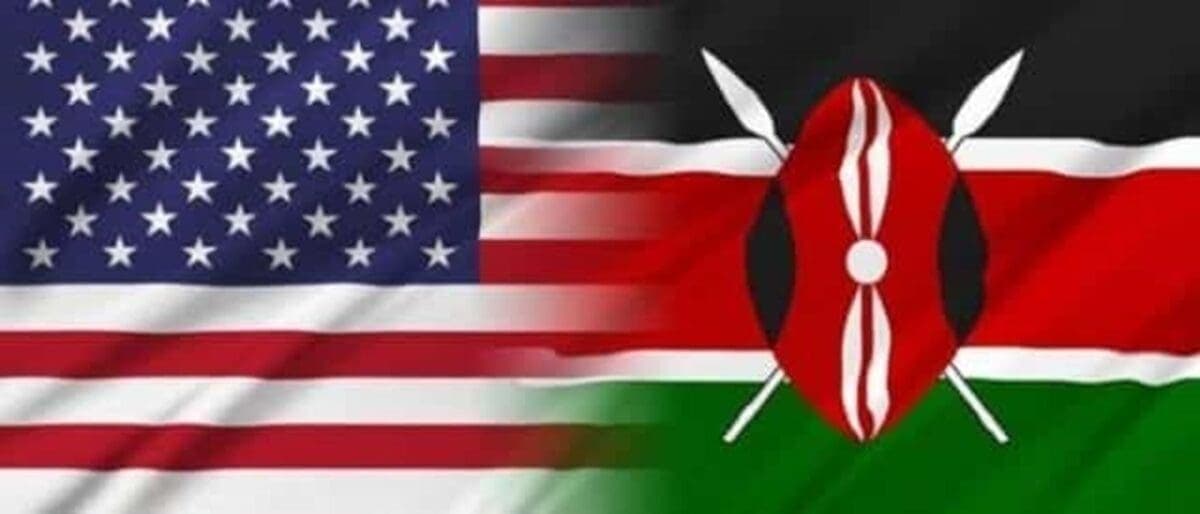
A massive slice of American taxpayer money meant to feed starving children during the pandemic has surfaced thousands of miles away, embedded in Nairobi’s skyline and parked in local hangars. Federal investigators have confirmed that a significant portion of the funds stolen in Minnesota’s notorious “Feeding Our Future” scandal was laundered directly into the Kenyan economy.
The revelation by the FBI and U.S. federal prosecutors exposes a sophisticated financial pipeline that turned humanitarian aid into high-end African assets. Authorities now estimate that the scheme, which siphoned over $250 million (approx. KES 32.5 billion) from child nutrition programs, utilized Kenya’s real estate market as a primary washing machine for illicit funds.
According to court filings and FBI financial tracing released in late 2025, the defendants did not merely stash cash in accounts; they integrated it into tangible Kenyan assets. Prosecutors detailed how millions of dollars were channeled through shell companies to purchase luxury apartments, hotels, and commercial land in prime locations.
The audacity of the purchases highlights the ease with which illicit foreign capital can penetrate the local market. In one striking instance, proceeds from the fraud were used to purchase a private aircraft stationed in Nairobi. This level of acquisition suggests that despite Kenya’s recent tightening of anti-money laundering (AML) laws, regulatory gaps remain that savvy international actors can exploit.
The “Feeding Our Future” case is merely the tip of the iceberg. Federal authorities have flagged that the rot in Minnesota’s public programs runs much deeper, potentially involving sums that rival the GDP of some small nations.
For the average Kenyan, these figures are staggering. To put it in perspective, the potential total loss of KES 2.3 trillion approaches the entirety of the Kenya Revenue Authority’s annual tax collection target.
The U.S. Department of Justice has confirmed it is actively pursuing asset seizure and forfeiture actions. However, recovering property across international borders is a notoriously slow legal process. It requires deep cooperation between Washington and Nairobi to unravel the complex ownership structures often used to hide these assets.
As the investigation widens, the spotlight turns to Kenyan regulators. The influx of such massive unverified funds distorts the local property market, pricing out genuine buyers and inflating the cost of living. As one federal prosecutor noted, this was not just theft; it was an international ecosystem of fraud that turned public goodwill into private luxury.
Keep the conversation in one place—threads here stay linked to the story and in the forums.
Sign in to start a discussion
Start a conversation about this story and keep it linked here.
Other hot threads
E-sports and Gaming Community in Kenya
Active 9 months ago
The Role of Technology in Modern Agriculture (AgriTech)
Active 9 months ago
Popular Recreational Activities Across Counties
Active 9 months ago
Investing in Youth Sports Development Programs
Active 9 months ago