We're loading the full news article for you. This includes the article content, images, author information, and related articles.
Senior government officials face calls for accountability as investigations reveal that members of the Sudanese RSF militia successfully obtained Kenyan passports.

Senior government officials, including Immigration PS Julius Bitok, face mounting scrutiny after revelations that members of Sudan's Rapid Support Forces (RSF) obtained Kenyan passports.
In a damning expose that has gripped the nation, allegations have surfaced linking top-tier officials within the Department of Immigration and Citizen Services to the illicit issuance of Kenyan travel documents to foreign militia members. The scandal, which centers on the acquisition of Kenyan passports by individuals affiliated with Sudan’s Rapid Support Forces (RSF)—a group currently under international sanctions for alleged war crimes—has triggered a national security crisis. Despite the gravity of the accusations, officials like Immigration PS Julius Bitok and Director General Evelyn Cheluget remain under immense pressure, with critics noting they continue their duties without public accountability.
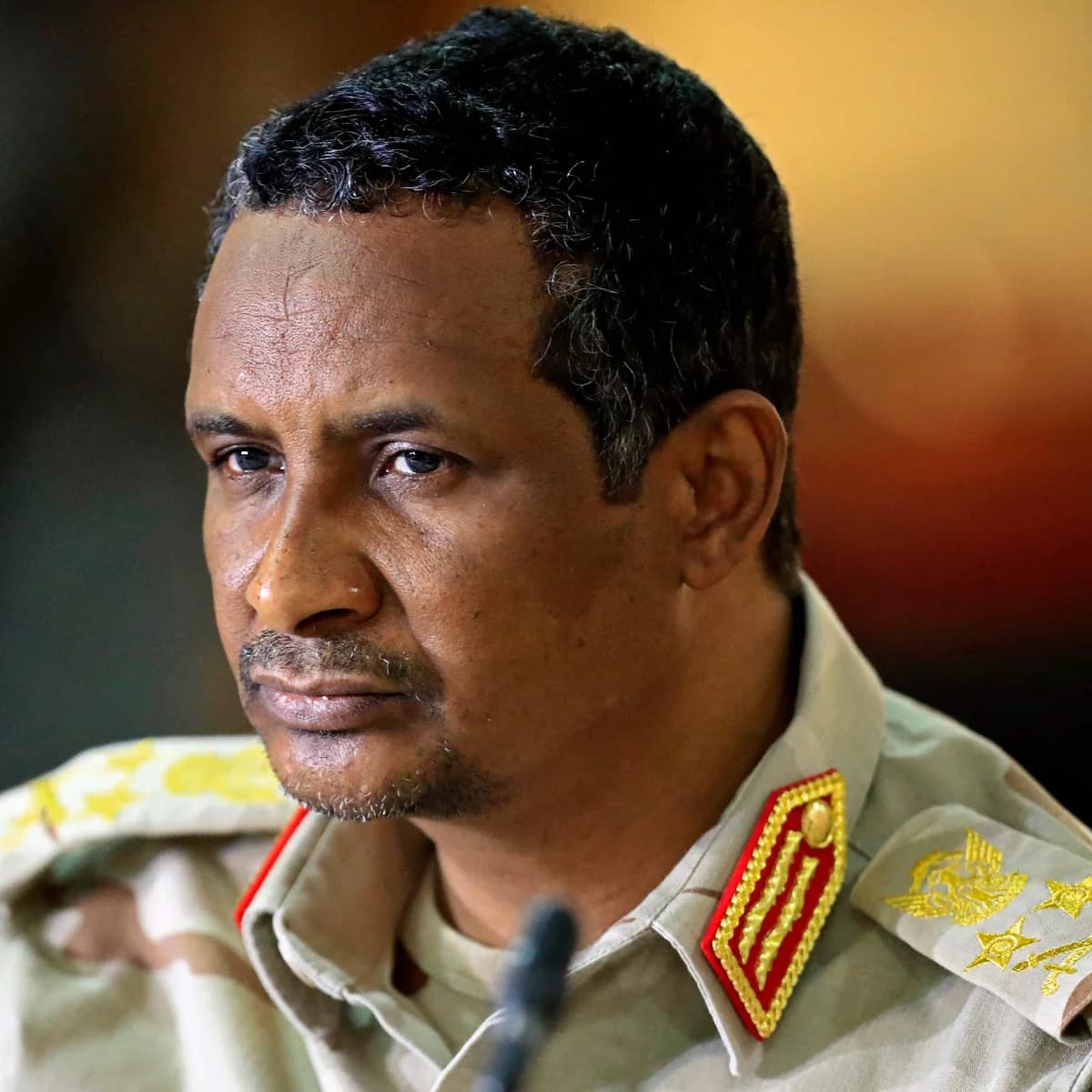
At the heart of the controversy is the discovery that Algoney Hamdan Dagalo Musa, a high-ranking RSF operative and brother to commander Mohamed Hamdan Dagalo, held a valid Kenyan passport (No. AK1586127). The implications of this are staggering. For a state to issue travel documents to individuals engaged in conflicts described by international observers as having the "hallmarks of genocide" is a profound diplomatic and security failure. The passport provided a layer of legitimacy and mobility to a sanctioned warlord, effectively facilitating the logistics of a war that has devastated the Darfur region.
International rights groups and Western governments have taken note. The United States and the European Union, which have already sanctioned these individuals for their roles in the siege of El-Fasher, are now looking to Nairobi for answers. The reputational damage to Kenya, which has long positioned itself as a neutral mediator in regional conflicts, is severe.
This is not an isolated incident. The saga of the RSF passports is the latest in a series of administrative failures that suggest a systemic rot within the immigration system. Sources indicate that internal investigations are being stifled, and there are concerns that the Immigration department is engaged in a covert operation to destroy evidence rather than facilitate a transparent inquiry.
The cost of this negligence is not merely diplomatic; it is economic and existential. If Kenya is viewed as a safe haven for international criminals, it risks being greylisted by global financial watchdogs, an outcome that could cost the economy billions of shillings. The "heads high" attitude of the officials involved stands in stark contrast to the anxiety felt by the public, who watch as the integrity of the Kenyan passport—a critical sovereign asset—is traded away for political or pecuniary gain.
The demand for accountability is no longer just a local political matter; it is a global imperative. As the net of international sanctions tightens, the question remains whether the Kenyan state will uphold the rule of law or allow its officials to maintain this culture of impunity. The passport scandal is more than an administrative lapse; it is a test of whether Kenya remains a nation governed by laws or by the interests of a select few.
Keep the conversation in one place—threads here stay linked to the story and in the forums.
Sign in to start a discussion
Start a conversation about this story and keep it linked here.
Other hot threads
E-sports and Gaming Community in Kenya
Active 9 months ago
The Role of Technology in Modern Agriculture (AgriTech)
Active 9 months ago
Popular Recreational Activities Across Counties
Active 9 months ago
Investing in Youth Sports Development Programs
Active 9 months ago
Key figures and persons of interest featured in this article