We're loading the full news article for you. This includes the article content, images, author information, and related articles.
The European Investment Bank has heavily invested roughly KES 434 billion into the African continent, deliberately targeting critical green infrastructure and small business development.
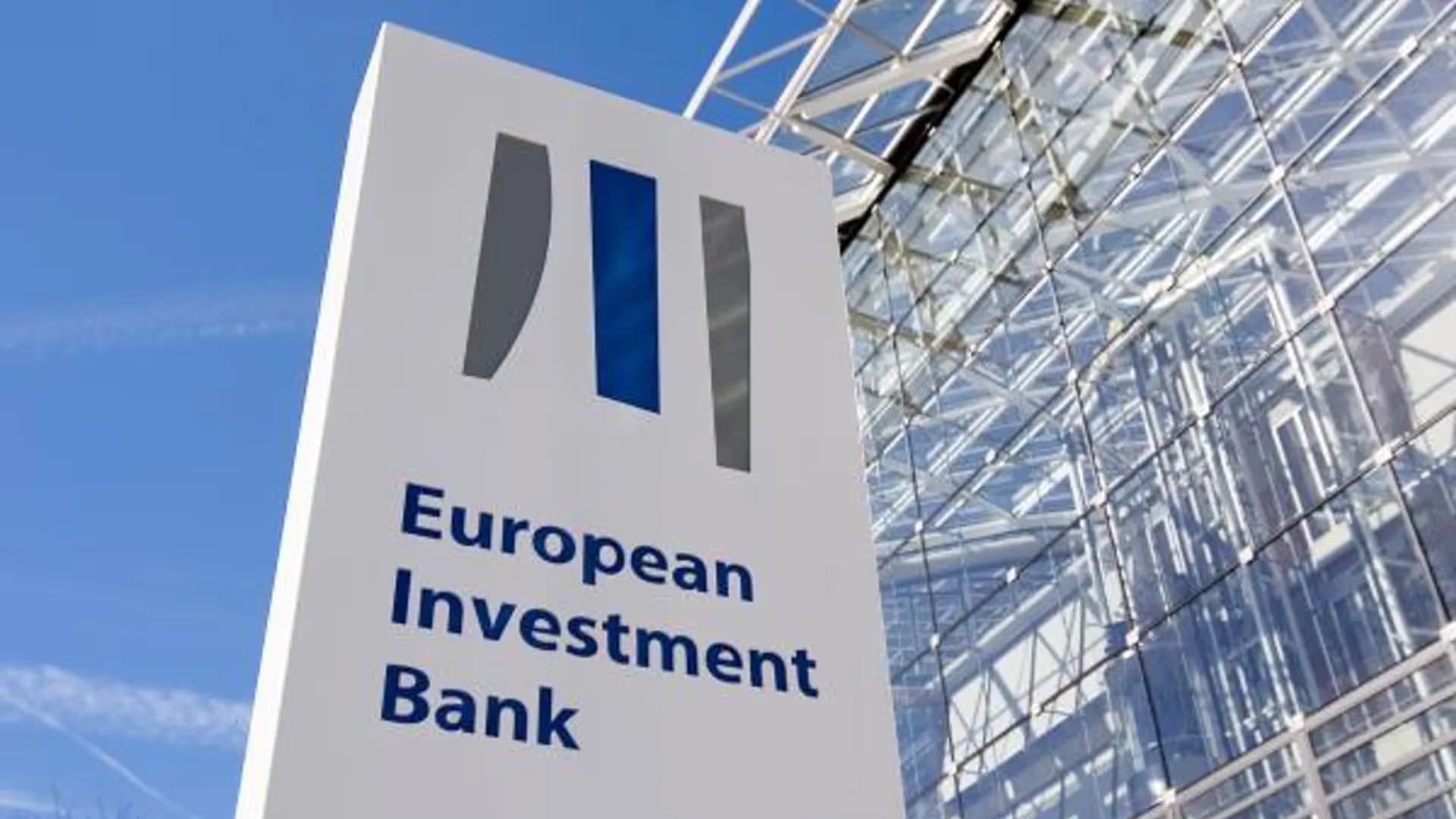
The European Investment Bank (EIB) has officially announced a massive, unprecedented commitment of €3.1 billion (approx. KES 434 billion) to the African continent in 2025. This colossal financial injection is heavily directed through the institution's dedicated global development arm, EIB Global.
This staggering financial commitment matters immediately now because it specifically targets crucial climate action, renewable energy, and vital SME development across nations like Kenya, acting as a massive catalyst to urgently mobilize necessary private capital for sustainable, long-term economic growth.
The European Investment Bank has strategically positioned itself as a leading, absolutely pivotal financier of Africa's complex transition towards sustainable, green economies. Remarkably, nearly half of the massive €3.1 billion deployed in 2025 was strictly dedicated to aggressive climate action and broad environmental sustainability initiatives.
This massive, highly targeted funding is deeply aligned with the European Union's ambitious Global Gateway strategy, an expansive geopolitical initiative designed to rapidly counter rival foreign investments by establishing robust, highly sustainable infrastructure networks across the developing world.
For East Africa, which consistently faces the severe, devastating brunt of climate change through highly unpredictable droughts and catastrophic flooding, these targeted investments in climate-resilient infrastructure are not merely economic boosts; they are absolute matters of national survival.
Beyond massive, large-scale infrastructure projects, the EIB has directed highly significant capital flows toward aggressively supporting Small and Medium-sized Enterprises (SMEs). In Kenya, SMEs fundamentally constitute the undisputed backbone of the national economy, providing the vast majority of vital employment opportunities.
By strategically partnering with local, regional commercial banks, the EIB essentially provides crucial, highly necessary liquidity that allows local businesses to rapidly expand, innovate, and aggressively compete in larger, highly competitive regional markets. This robust financial support is critical in an environment characterized by severely high domestic interest rates.
Furthermore, the targeted funding specifically addresses severe, chronic deficits in critical sectors such as clean water provision, mass transport logistics, and comprehensive healthcare infrastructure across diverse nations including Morocco, Nigeria, and Egypt.
A core, fundamental objective of the EIB's aggressive deployment strategy is the deliberate, calculated mobilization of massive additional private capital. The institution acutely recognizes that public funds alone are entirely insufficient to effectively bridge Africa's multi-trillion-shilling infrastructure and development gaps.
This strategic, catalytic approach ensures that every single euro invested effectively multiplies its profound economic impact, creating a powerful, sustainable ecosystem of long-term financial growth and job creation.
The EIB's massive, sustained financial commitments forcefully highlight a rapidly maturing, highly strategic geopolitical partnership between the European Union and the African continent. This relationship is increasingly moving away from traditional, outdated donor-recipient dynamics toward robust, mutually beneficial economic alliances.
As African nations, particularly rapidly growing economies like Kenya, aggressively seek to heavily industrialize while strictly maintaining ambitious, low-carbon footprints, robust partnerships with massive institutions like the EIB are absolutely indispensable.
This massive capital deployment sends a clear, incredibly powerful signal to the global markets regarding the continent's immense, undeniable long-term economic viability.
"True sustainable development in Africa requires more than just ambitious rhetoric; it demands the massive, calculated deployment of capital designed to empower local economies and fiercely protect the environment."
Keep the conversation in one place—threads here stay linked to the story and in the forums.
Sign in to start a discussion
Start a conversation about this story and keep it linked here.
Other hot threads
E-sports and Gaming Community in Kenya
Active 9 months ago
The Role of Technology in Modern Agriculture (AgriTech)
Active 9 months ago
Popular Recreational Activities Across Counties
Active 9 months ago
Investing in Youth Sports Development Programs
Active 9 months ago