We're loading the full news article for you. This includes the article content, images, author information, and related articles.
Conflict in the Middle East intensifies as US and Israeli forces target Iranian infrastructure, dragging global powers into a deepening regional crisis.

A KC-135 refueling aircraft lies in pieces across the Iraqi desert today, a stark, metal-twisted symbol of a conflict that has rapidly expanded from localized geopolitical tension into a full-scale regional conflagration. The crash, which involved two aircraft and necessitated immediate rescue operations, marks a dangerous inflection point in the intensifying military campaign being waged by a US-Israeli coalition against Iranian strategic infrastructure.
This loss of life and equipment—compounded by the death of a French soldier in Erbil—is the latest shockwave in a war that is aggressively reshaping global energy markets, testing the durability of Western alliances, and threatening to destabilize the East African economy. With critical maritime corridors under threat and the risk of further spillover, governments from Washington to Nairobi are forced to recalibrate their national security and economic strategies in real-time as the conflict threatens to outpace diplomatic efforts to contain it.
The military incident involving the US Air Force refuelling plane, while officially ruled as non-combat related by US Central Command, has highlighted the inherent instability of the operating environment in Iraq. The presence of international forces in the region is increasingly under duress, as evidenced by the attack on a joint base housing UK and US personnel in Erbil. While no significant injuries were reported among the American or British contingent in that specific strike, the persistent drone activity underscores the vulnerability of stationary military assets in the theater.
The death of a French soldier during training operations in the Kurdistan region marks a somber escalation for European involvement. As France remains a pivotal member of the international coalition, the loss serves as a grim reminder that this conflict is not confined to Israeli and Iranian borders but is drawing in NATO allies with unforeseen consequences. The following tactical developments illustrate the current battlefield reality:
For a reader in Nairobi, the conflict is not a distant theater of war but an immediate threat to the cost of living. The proposed US naval escort operation in the Strait of Hormuz, while designed to secure shipping lanes, introduces significant risk premium volatility into the global oil market. Kenya, which imports the vast majority of its refined petroleum products, is particularly susceptible to these supply chain disruptions.
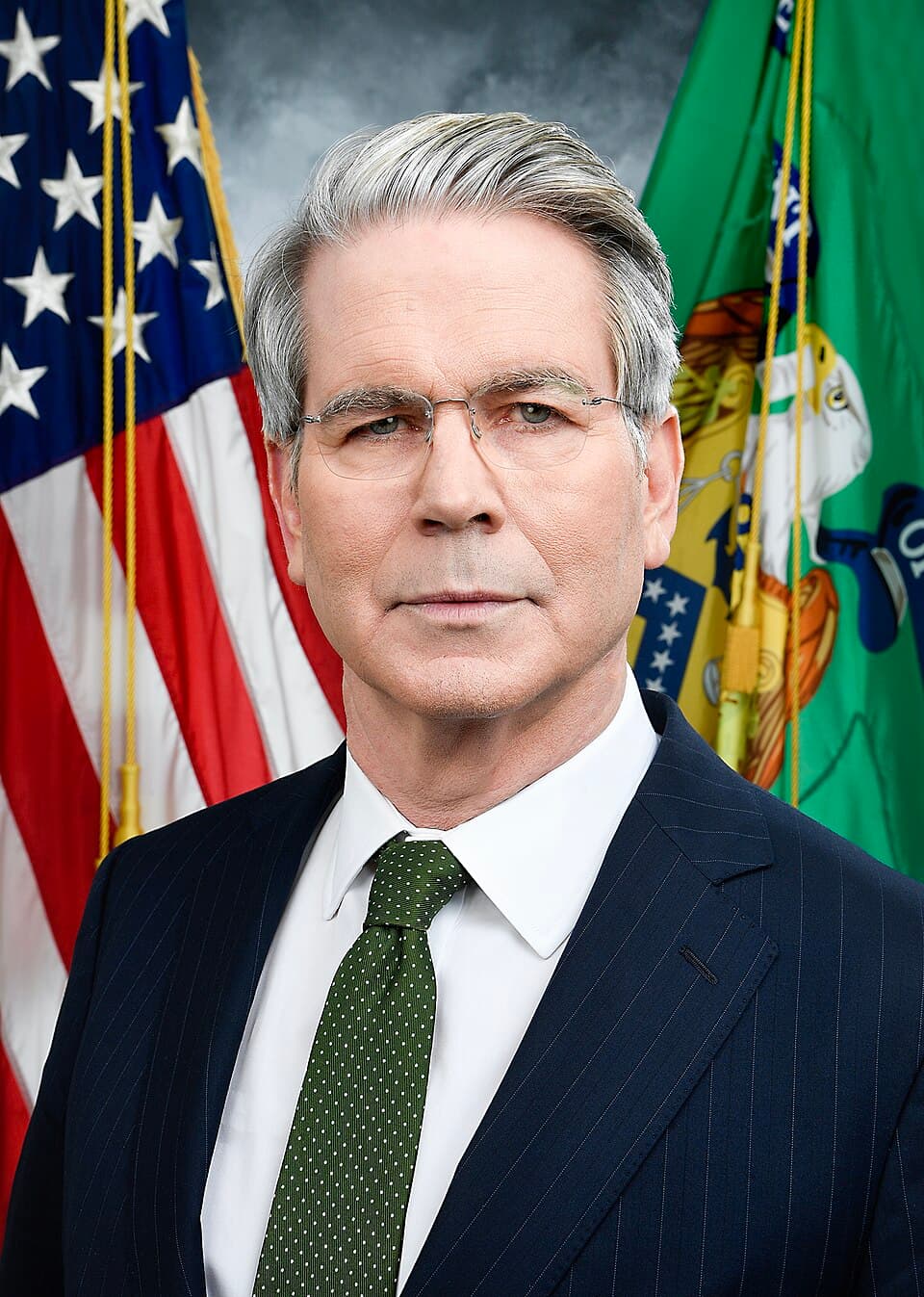
US Treasury Secretary Scott Bessent has indicated that the escort plan will commence as soon as the US achieves comprehensive control of the skies. However, until such control is established, the uncertainty surrounding oil transit through the Strait of Hormuz is likely to drive crude prices upward. Economists at the Central Bank of Kenya have historically noted that every $10 (approximately KES 1,300) increase in the price of a barrel of crude oil can lead to a measurable contraction in domestic disposable income, as transport and energy costs inflate rapidly. If the conflict prolongs, the resulting inflationary pressure on the Kenyan Shilling could undermine recent stabilization efforts by the Monetary Policy Committee.
The conflict has bled into the cultural sphere, with President Donald Trump creating diplomatic friction regarding the participation of the Iranian national football team in the upcoming World Cup. By questioning the appropriateness of their attendance citing safety concerns, the US administration has signaled that the war on Iran will be fought on all fronts—diplomatic, economic, and cultural. This approach risks isolating international sporting bodies and sets a tense precedent for global events hosted by the US, Canada, and Mexico.
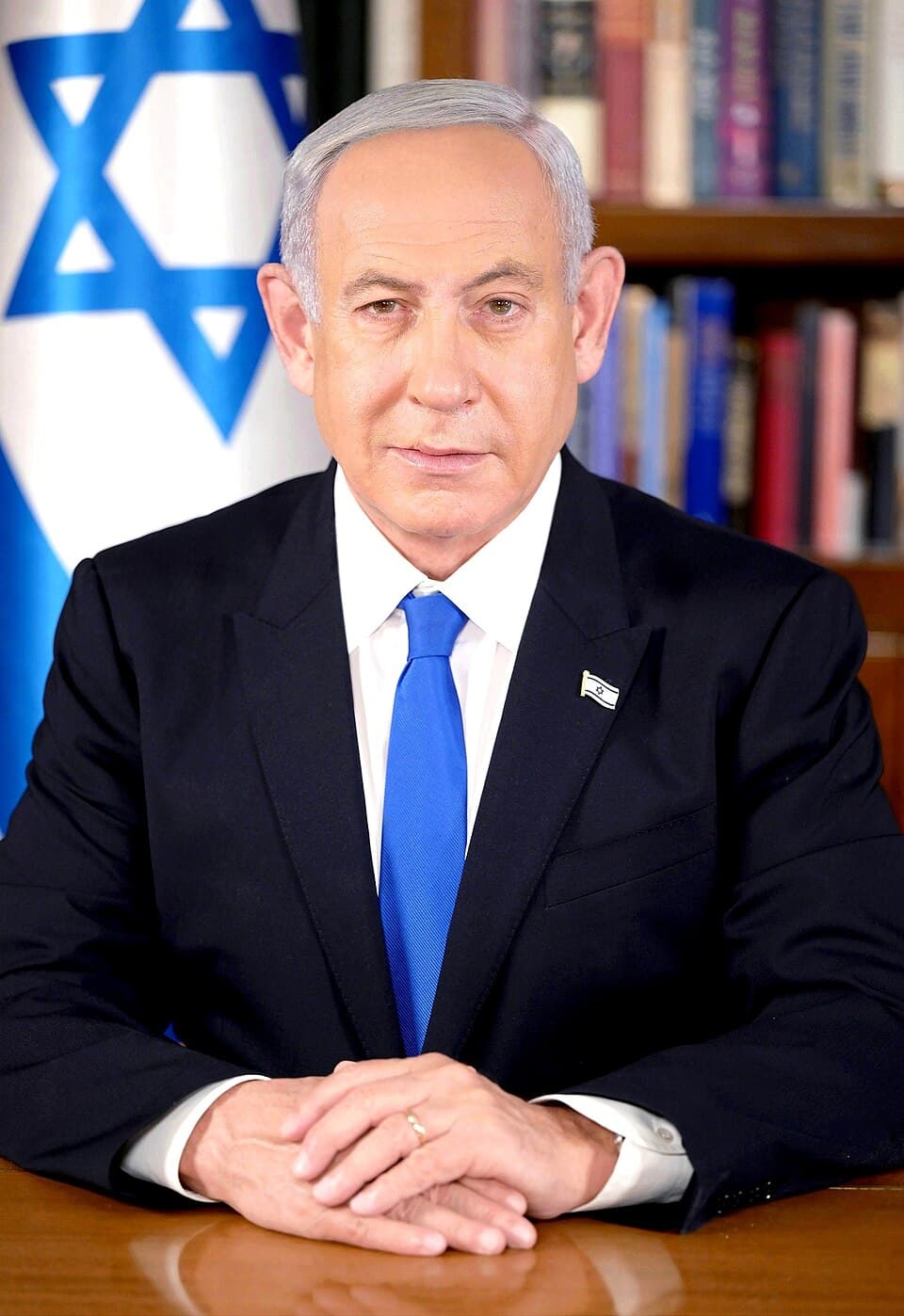
Prime Minister Benjamin Netanyahu has adopted an increasingly aggressive stance, abandoning traditional diplomatic ambiguity. His public remarks regarding the life expectancy of Iranian leadership and the head of Hezbollah suggest that Israel is operating under a strategy of total confrontation. This departure from conventional deterrence theory reflects a conviction within the Israeli leadership that the time for containment has passed, replaced by an objective of total degradation of Iran’s nuclear and ballistic infrastructure.
As the international community watches, the primary question is whether the current military strategy will lead to the collapse of the targeted regimes or further entrench the conflict, drawing in regional proxies and global powers for a prolonged period. The humanitarian toll is beginning to mount, and the cost of oil is creeping upward, yet there is no clear off-ramp in sight. History suggests that such rapid escalations often create power vacuums that can last for decades, and the world is only just beginning to grasp the magnitude of the shift occurring across the Middle East today.
With the dust barely settled on the runway in Iraq and the diplomatic rhetoric reaching a fever pitch, the world waits to see which power will blink first in this high-stakes game of geopolitical brinkmanship, and at what cost to the stability of the global order.
Keep the conversation in one place—threads here stay linked to the story and in the forums.
Sign in to start a discussion
Start a conversation about this story and keep it linked here.
Other hot threads
E-sports and Gaming Community in Kenya
Active 9 months ago
The Role of Technology in Modern Agriculture (AgriTech)
Active 9 months ago
Popular Recreational Activities Across Counties
Active 9 months ago
Investing in Youth Sports Development Programs
Active 9 months ago
Key figures and persons of interest featured in this article