We're loading the full news article for you. This includes the article content, images, author information, and related articles.
IEA chief Fatih Birol warns the ongoing Iran conflict has triggered an energy crisis eclipsing the 1970s oil shocks, threatening global economic stability.

Oil prices surged past 100 US dollars (approximately KES 13,000) per barrel on Monday morning as global markets digested the latest escalation in the US-Israel conflict with Iran, forcing a terrifying reassessment of global energy security.
International Energy Agency (IEA) executive director Fatih Birol has issued a stark warning that the current energy crunch is structurally worse than the combined oil shocks of 1973 and 1979, and more devastating than the gas market volatility triggered by the war in Ukraine. As the conflict intensifies and the Strait of Hormuz faces potential closure, the world economy is staring down an energy shortfall that threatens to dismantle industrial output and spike inflation in vulnerable emerging markets, including Kenya.
The severity of the current situation lies in the sheer volume of lost capacity. Birol, speaking to the Australian National Press Club, noted that the world is now grappling with the loss of 11 million barrels of oil per day, a figure that dwarfs the 10 million barrels lost during the two major oil crises of the 1970s. The situation is equally dire in the natural gas sector, where losses have reached 140 billion cubic metres (BCM), nearly doubling the 75 BCM lost following the invasion of Ukraine.
Birol emphasized that the crisis extends far beyond the pump. Petrochemicals, fertilizers, and the raw materials essential for global agricultural cycles are all tied to these vital arteries. The cascading effect is not merely price-based it is an availability crisis that threatens to halt production lines worldwide.
The primary concern for global markets is the status of the Strait of Hormuz, a critical chokepoint through which approximately one-fifth of the world’s petroleum consumption flows. Following a 48-hour ultimatum issued by the United States demanding the opening of the strait, the geopolitical tension has pushed market participants to prepare for a worst-case scenario. If this waterway becomes non-functional, the global energy system will suffer a supply chain disruption that the current global logistical infrastructure is ill-equipped to absorb.
Economists and analysts warn that this is not a short-term volatility event but a fundamental break in the global energy order. The 1970s shocks occurred in a different economic era, one less dependent on the just-in-time, hyper-connected supply chains that define modern manufacturing. Today, a disruption in Middle Eastern energy flow instantaneously ripples into manufacturing hubs in Asia, agricultural sectors in Africa, and the service-based economies of Europe and North America.
For a reader in Nairobi, the distance between the Strait of Hormuz and the Kenyan economy is rapidly shrinking. Kenya relies on imported refined petroleum, and because the country is a price-taker in the global energy market, the surge in crude oil costs will immediately translate to higher prices at the pump for motorists and transporters.
Local economists warn that a sustained increase in global oil prices above 100 USD (KES 13,000) per barrel will likely catalyze a sharp rise in headline inflation. Transport costs constitute a significant portion of the consumer price index in East Africa. If diesel prices rise, the cost of moving goods from Mombasa to landlocked neighbors—such as Uganda, Rwanda, and South Sudan—will skyrocket, further straining the region’s inflationary environment. Furthermore, the reliance on petroleum-based inputs for fertilizer production suggests that the Kenyan agricultural sector could face a significant crisis in the coming planting seasons if these global energy prices do not stabilize.
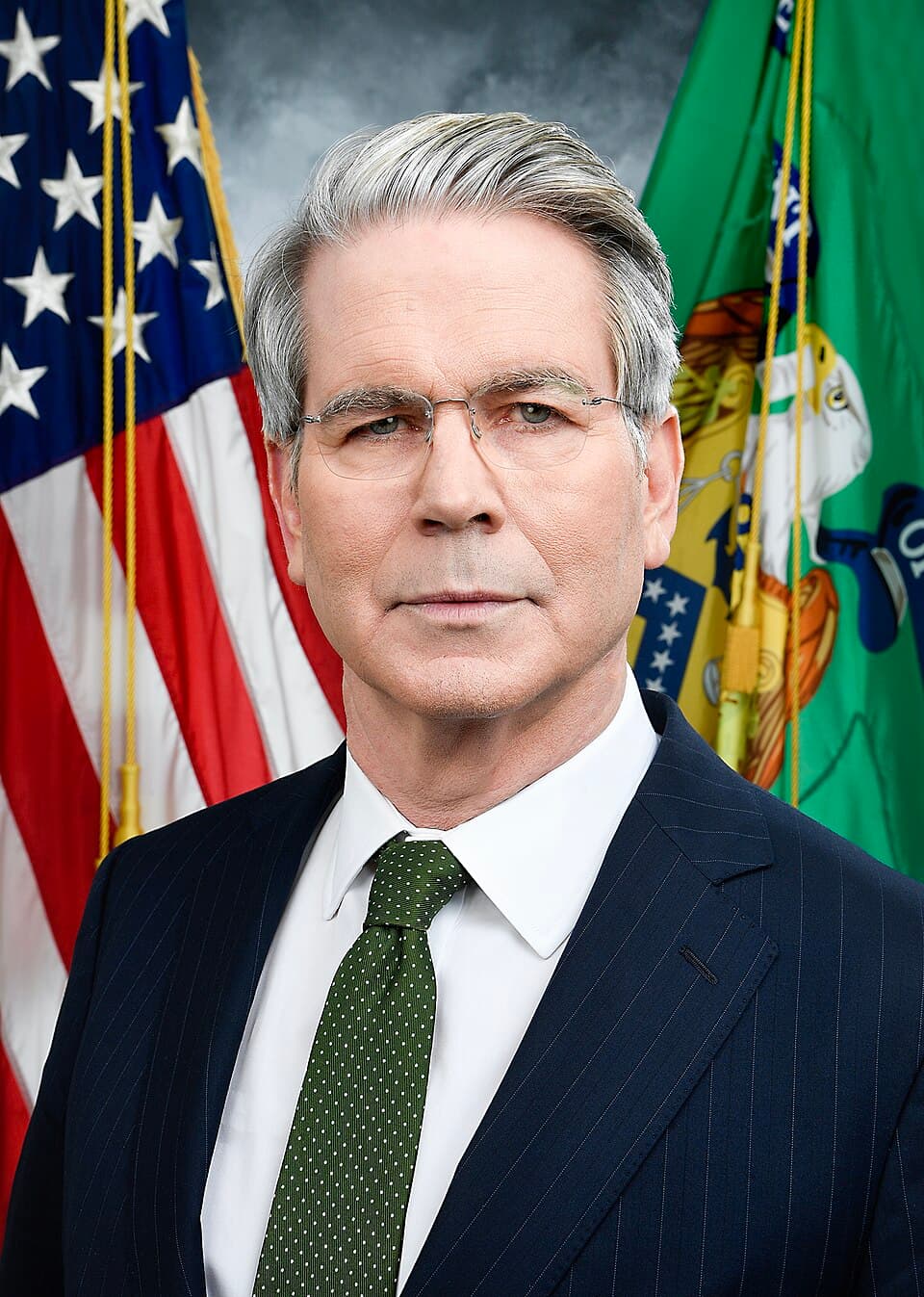
The political rhetoric accompanying the military conflict provides little comfort to investors. When asked if the US strategy was to wind down the war or escalate it, US Treasury Secretary Scott Bessent remarked that they are not mutually exclusive, noting that one must sometimes escalate to de-escalate. This doctrine of calculated aggression has kept markets on edge, with volatility indices reflecting deep investor anxiety.
The humanitarian cost of the war is growing by the day, with Lebanese health ministries reporting nearly 3,000 casualties in the latest fighting, including a significant number of women and children. As the military conflict continues, the decoupling of the global energy market from stable, predictable pricing appears increasingly likely. The world is witnessing a convergence of geopolitical instability and energy fragility that has not been seen in the modern era, suggesting that the era of accessible, stable energy prices may be entering a long, precarious period of uncertainty.
As the 48-hour ultimatum expires and the world watches the Strait of Hormuz, the primary question remains whether diplomatic channels can contain the shock, or if the global economy is destined for a sustained contraction as energy becomes the latest, and most lethal, weapon of war.
Keep the conversation in one place—threads here stay linked to the story and in the forums.
Sign in to start a discussion
Start a conversation about this story and keep it linked here.
Other hot threads
E-sports and Gaming Community in Kenya
Active 10 months ago
Popular Recreational Activities Across Counties
Active 10 months ago
The Role of Technology in Modern Agriculture (AgriTech)
Active 10 months ago
Investing in Youth Sports Development Programs
Active 10 months ago
Key figures and persons of interest featured in this article