We're loading the full news article for you. This includes the article content, images, author information, and related articles.
The former US Open champion dismisses the rush for a full-time coach, relying instead on a trusted hitting partner to reclaim her aggressive baseline dominance ahead of the grueling Indian Wells showdown.
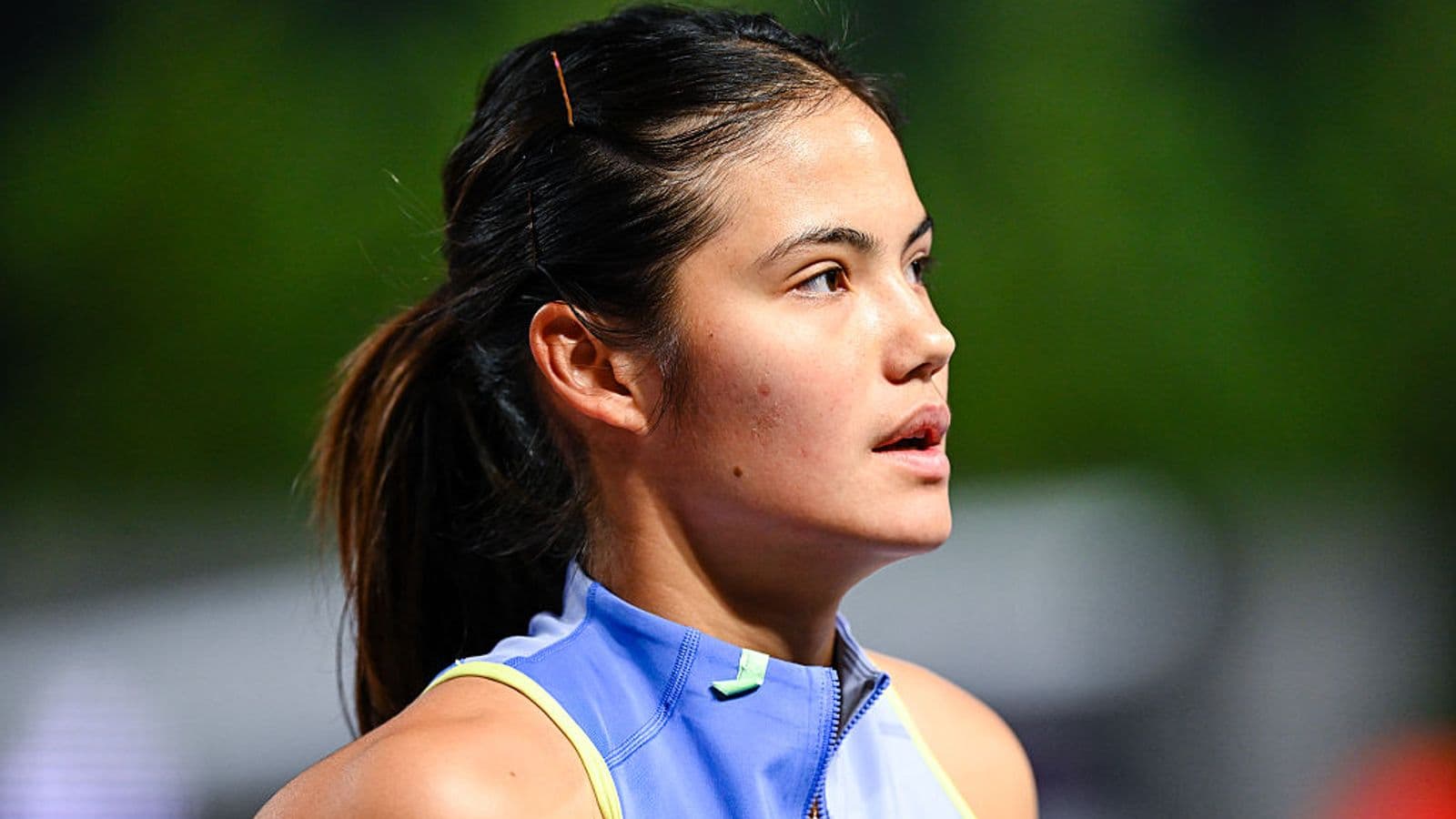
The former US Open champion dismisses the rush for a full-time coach, relying instead on a trusted hitting partner to reclaim her aggressive baseline dominance ahead of the grueling Indian Wells showdown.
In the high-stakes, hyper-scrutinized world of professional tennis, the absence of a high-profile coach is often viewed as a crisis. Emma Raducanu, however, is boldly rewriting that narrative, choosing stability and tactical aggression over the chaotic coaching carousel.
Why does this strategic isolation matter as the WTA tour accelerates toward the American hard-court swing? Raducanu's decision to step back from the intense spotlight of superstar coaches reveals a mature realization: the answers to her erratic form lie not in external voices, but in rediscovering the fearless, attacking DNA that catapulted her to global superstardom in New York.
Since her miraculous, unprecedented triumph at the 2021 US Open, Raducanu's trajectory has been hindered by a relentless rotation of coaching personnel. The recent dissolution of her six-month partnership with Francisco Roig—a veteran of Rafael Nadal's camp—marked yet another premature ending. Following a deeply frustrating second-round exit at the Australian Open to Anastasia Potapova, the 23-year-old Briton exhibited a rare moment of public candor. She admitted a profound disconnect with the tactical directives she was receiving, expressing a desperate desire to play "in a way more similar to when I was younger."
Instead of panicking and hiring another high-priced tactician, Raducanu has anchored her camp around Alexis Canter, a 27-year-old former British player and her current hitting partner. This decision is rooted in trust and psychological comfort. Canter understands the intense, crushing pressure of the British media landscape and, more importantly, intimately knows Raducanu's physiological and mental rhythms. Their partnership yielded immediate, tangible results: a spectacular run to the final of the Transylvania Open in Cluj-Napoca, her first championship match since the Flushing Meadows miracle.
The philosophical shift driving Raducanu's resurgence is a return to absolute aggression. The modern women's game is dominated by immense baseline power; passive, defensive tennis is quickly punished. Raducanu has recognized that her most lethal weapon is her capacity to dictate the tempo of the rally early, taking the ball exceptionally early on the rise and robbing her opponents of critical recovery time.
Her current training regimen under Canter is characterized by relentless, repetitive drilling of key fundamentals. Rather than overcomplicating her mechanics with esoteric tactical theories, the focus is squarely on execution and confidence. However, this momentum was brutally interrupted. Her brilliant run in Romania culminated in a finals loss to Sorana Cirstea, exacerbated by a severe viral infection. This illness lingered for weeks, sabotaging her Middle East tour in Doha and Dubai, and forcing a complete physical reset.
Raducanu's struggle and subsequent strategic pivot offer a profound lesson for emerging athletes globally, including the rising stars in the East African sports ecosystem. The Kenyan tennis fraternity, inspired by the historic triumphs of Wimbledon junior doubles champion Angela Okutoyi, can draw parallels. Talent requires structured, trusted environments rather than constant, disruptive systemic changes. Success is bred in consistency.
As she prepares for the prestigious WTA 1000 event in Indian Wells, the blueprint for her revival is definitively set:
The desert courts of California will be the ultimate proving ground. "The champion's mentality is not defined by the absence of struggle, but by the courage to trust one's own instincts when the world demands conformity."
Keep the conversation in one place—threads here stay linked to the story and in the forums.
Sign in to start a discussion
Start a conversation about this story and keep it linked here.
Other hot threads
E-sports and Gaming Community in Kenya
Active 9 months ago
The Role of Technology in Modern Agriculture (AgriTech)
Active 9 months ago
Popular Recreational Activities Across Counties
Active 9 months ago
Investing in Youth Sports Development Programs
Active 9 months ago