We're loading the full news article for you. This includes the article content, images, author information, and related articles.
The Sh1.04 billion Embu Modern Market is nearing completion, promising to revolutionize the local economy by providing dignity, cold storage, and modern facilities to over 2,500 traders who have long toiled in the rain.
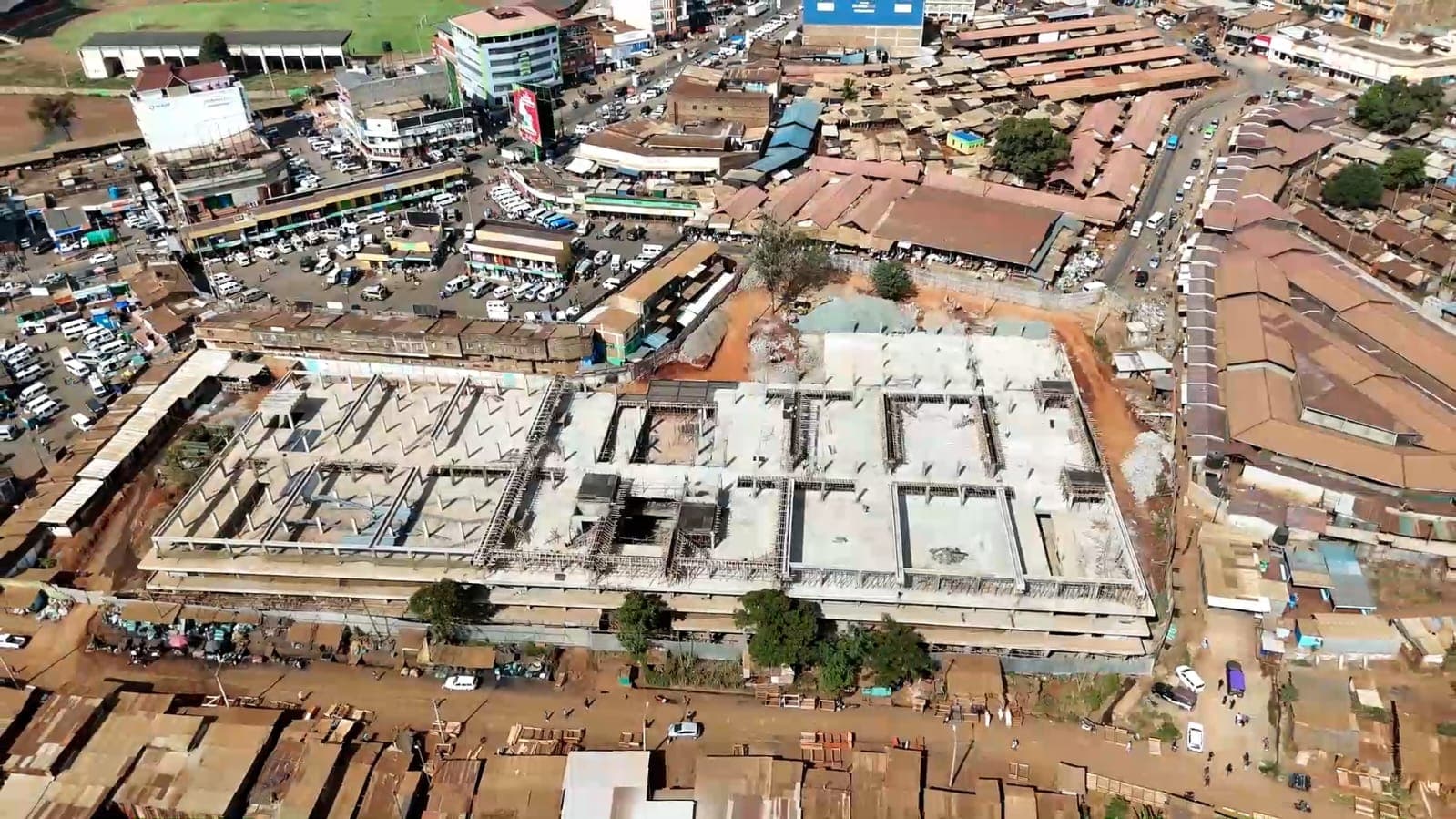
The skyline of Embu Town is changing, and with it, the economic fortunes of thousands. The near-completion of the Sh1.04 billion modern market stands not just as a structure of concrete and steel, but as a testament to a promised bottom-up economic transformation that traders have awaited for decades.
For years, the traders of Embu have operated under the mercy of the elements, their livelihoods tethered to the unpredictability of weather and the chaos of congestion. Now, with the four-storey ultra-modern complex nearing its grand opening, the narrative is shifting from survival to prosperity. This is not merely a market; it is an economic engine designed to integrate 2,144 small-scale traders and 450 shop owners into the formal economy, offering dignity where there was once dust.
The scale of the project is imposing. Spanning acres of prime urban land, the facility is designed to be a self-contained ecosystem. Unlike the open-air markets of the past, this hub features dedicated zones for fresh produce, textiles, and electronics, ensuring a seamless flow of customers. The inclusion of a dedicated floor for ICT hubs and value-addition centers signals a departure from traditional trading to a modern, digital-savvy marketplace.
"We are not just building stalls; we are building a future," remarked a senior county engineer during a recent site inspection. "This facility is equipped with modern waste management systems, cold storage for perishables, and high-speed internet connectivity. It is designed to allow a tomato seller to not only sell to the local walker-by but to connect with bulk buyers in Nairobi."
The project aligns seamlessly with the national government's Bottom-Up Economic Transformation Agenda (BETA). By prioritizing the "Mama Mboga" and the "Bodaboda" riders who transport goods, the market addresses a critical gap in the supply chain: post-harvest losses. Embu, a rich agricultural belt, has long suffered from produce rotting in the sun. The new cold storage facilities within the market are expected to cut these losses by up to 40%, directly boosting farmers' incomes.
However, the journey has not been without its hurdles. The transition period saw traders displaced to temporary, often inadequate sites, leading to a dip in earnings for many. "We have suffered in the mud for two years," says Mary Wanjiku, a vegetable vendor. "But looking at the building now, we have hope. We only ask that the allocation of stalls be fair and transparent, free from the corruption that often plagues such projects."
County officials have moved to reassure the public, promising a digitized balloting system to ensure that the original occupants are given first priority. As the finishing touches are applied—painting, wiring, and the installation of security systems—the mood in Embu is one of cautious optimism. The market is more than a building; it is a promise kept, a dignity restored, and a challenge to the traders to scale up their dreams.
Keep the conversation in one place—threads here stay linked to the story and in the forums.
Sign in to start a discussion
Start a conversation about this story and keep it linked here.
Other hot threads
E-sports and Gaming Community in Kenya
Active 9 months ago
The Role of Technology in Modern Agriculture (AgriTech)
Active 9 months ago
Popular Recreational Activities Across Counties
Active 9 months ago
Investing in Youth Sports Development Programs
Active 9 months ago