We're loading the full news article for you. This includes the article content, images, author information, and related articles.
An innovative young farmer from Elburgon has transformed a passion for agriculture into a highly profitable, scalable dairy goat farming enterprise.
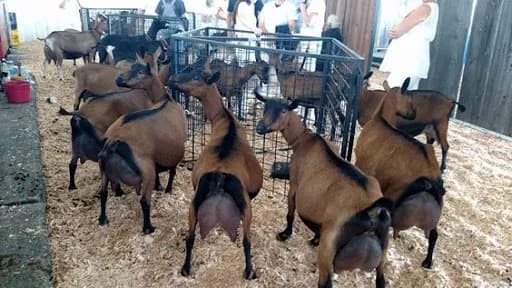
Defying severe youth unemployment statistics, an innovative entrepreneur from Elburgon has transformed a childhood passion for agriculture into a highly profitable, scalable dairy goat farming enterprise.
In a striking narrative of agricultural innovation that brilliantly defies the bleak statistics of rural youth unemployment, an enterprising young farmer from Elburgon, Nakuru County, has successfully transformed a localized passion for animal husbandry into a highly lucrative, rapidly scaling dairy goat empire.
This inspiring trajectory is not merely a localized success story; it represents a highly replicable, sustainable economic blueprint that challenges the traditional East African agrarian mindset, proving that specialized, high-yield agribusiness can offer a sophisticated and vastly more profitable alternative to conventional, land-intensive crop farming.
Faced with the daunting reality of a saturated job market and the diminishing returns of traditional maize and potato farming that dominate the Rift Valley, the young entrepreneur identified a massive, unexploited gap in the nutritional market: the soaring demand for highly digestible, premium dairy goat milk.
Starting with a meticulously researched acquisition of just a few pedigree Alpine dairy goats, the venture prioritized stringent genetic selection, advanced zero-grazing housing structures, and precision nutrition over sheer herd size. This scientific, quality-first approach rapidly yielded extraordinary results, pushing daily milk production volumes far beyond regional averages and establishing a premium brand reputation within local health food networks and specialized pediatric clinics.
The economic mathematics of dairy goat farming are intensely compelling, particularly in an environment where land fragmentation makes large-scale dairy cow operations increasingly unviable. Goats require a fraction of the land and water resources compared to cattle, yet their milk commands a significantly higher market premium.
By implementing a rigorous value-addition strategy—moving beyond raw milk sales to explore localized pasteurization and the production of artisanal goat cheeses—the Elburgon farm has effectively insulated itself from the volatile price fluctuations that frequently devastate traditional dairy farmers, ensuring a consistent, high-margin revenue stream.
The profound impact of this Elburgon enterprise extends far beyond its own balance sheets. It serves as a living, breathing agricultural academy, demonstrating to the broader Kenyan youth demographic that "agri-preneurship" is not a desperate fallback option, but a sophisticated, technology-driven sector ripe with massive wealth-generation potential.
The farm has become a focal point for knowledge transfer, hosting training workshops for aspiring young farmers on modern breeding techniques, disease management, and digital market access. It highlights the urgent need for government agricultural extension services to pivot away from archaic practices and forcefully support specialized, high-value value chains.
"The soil of the Rift Valley holds unimaginable wealth, but it requires the bold, educated innovation of the youth to unlock its true economic potential for the next century."
Keep the conversation in one place—threads here stay linked to the story and in the forums.
Sign in to start a discussion
Start a conversation about this story and keep it linked here.
Other hot threads
E-sports and Gaming Community in Kenya
Active 9 months ago
The Role of Technology in Modern Agriculture (AgriTech)
Active 9 months ago
Popular Recreational Activities Across Counties
Active 9 months ago
Investing in Youth Sports Development Programs
Active 9 months ago