We're loading the full news article for you. This includes the article content, images, author information, and related articles.
New studies warn that the Lagos-Calabar Coastal Highway project could destroy the Stubbs Creek Forest Reserve, stripping the Niger Delta of its natural defense against climate change.
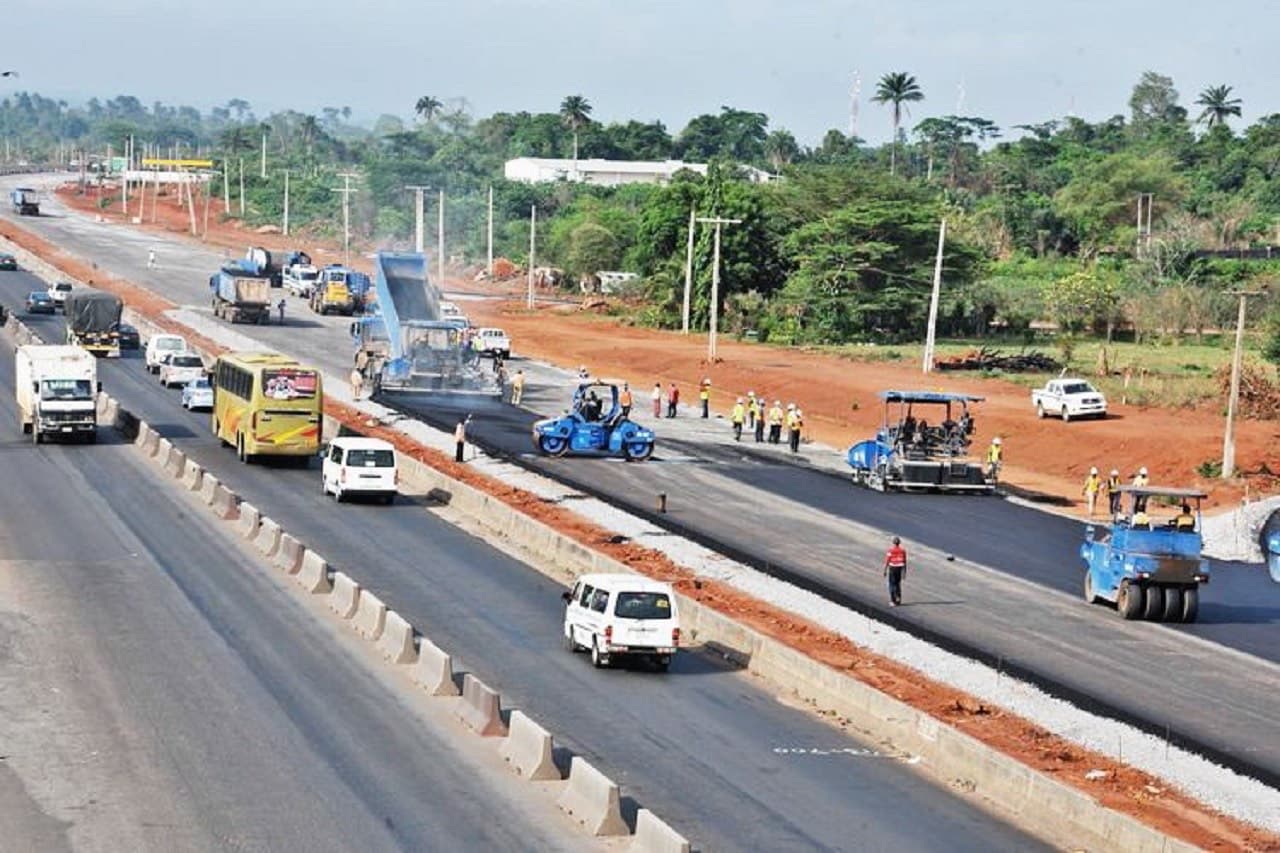
A flagship infrastructure project intended to boost Nigeria's economy is on a collision course with one of its most vital ecological treasures. A new scientific study has issued a stark warning: the construction of the Lagos-Calabar Coastal Highway threatens to obliterate the Stubbs Creek Forest Reserve, a disaster that could leave the Niger Delta defenseless against the ravages of climate change.
The Stubbs Creek Forest is not just a collection of trees; it is a biological shield. Located in Akwa Ibom State, it serves as a critical buffer zone for the low-lying coastal region. The study details how the forest's destruction would strip away the land's natural resilience, exposing millions of residents to catastrophic flooding, aggressive coastal erosion, and rising sea levels. In the rush for development, the environmental cost appears to have been grossly miscalculated.
The Lagos-Calabar Highway is billed as a transformational corridor connecting the economic powerhouses of the West to the resource-rich South-South. However, environmentalists argue that the proposed route through the reserve is an act of ecological suicide. The forest is home to rare and endangered species, including the Nigeria-Cameroon chimpanzee and the sclater's guenon, whose habitats would be sliced in half by asphalt and concrete.
"We are trading our future survival for a road," the study's lead author noted. "Once this forest is gone, the sponge that soaks up the floodwaters is gone. The barrier that stops the wind is gone. We are literally paving the way for our own drowning."
This conflict highlights the perpetual tug-of-war between African development and conservation. The government insists the highway is non-negotiable for economic integration, promising mitigation measures. Yet, history in the Delta suggests such promises are rarely kept. The dredging and sand filling required for the highway will irrevocably alter the hydrology of the region.
As bulldozers inch closer, the Stubbs Creek Forest stands as a silent testament to what is at stake. It is a choice between short-term economic velocity and long-term survival. If the highway proceeds as planned, the region may gain a road but lose the very land it is built upon.
Keep the conversation in one place—threads here stay linked to the story and in the forums.
Sign in to start a discussion
Start a conversation about this story and keep it linked here.
Other hot threads
E-sports and Gaming Community in Kenya
Active 9 months ago
The Role of Technology in Modern Agriculture (AgriTech)
Active 9 months ago
Popular Recreational Activities Across Counties
Active 9 months ago
Investing in Youth Sports Development Programs
Active 9 months ago