We're loading the full news article for you. This includes the article content, images, author information, and related articles.
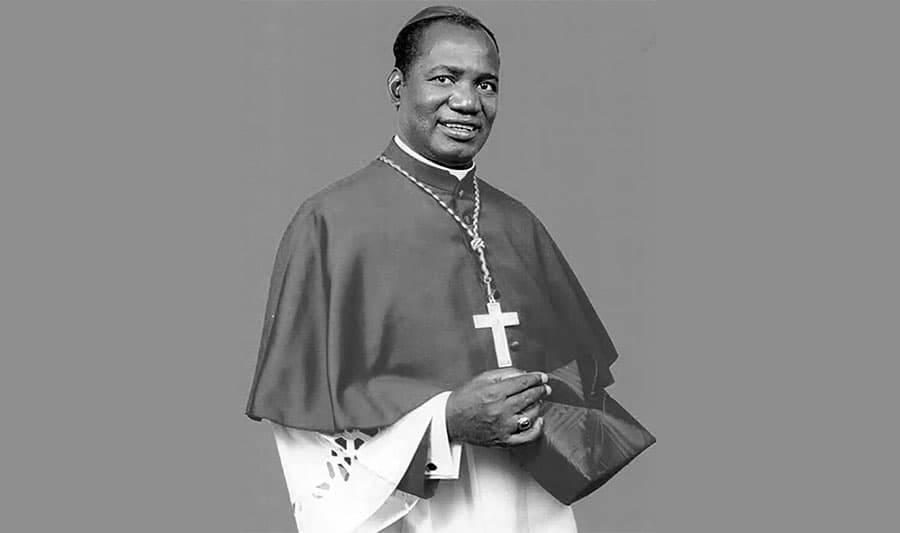
The Catholic Church in East Africa has lost a towering pillar of faith following the death of Polycarp Cardinal Pengo. The 81-year-old former Archbishop of Dar es Salaam, who shaped the region's spiritual and moral landscape for decades, passed away
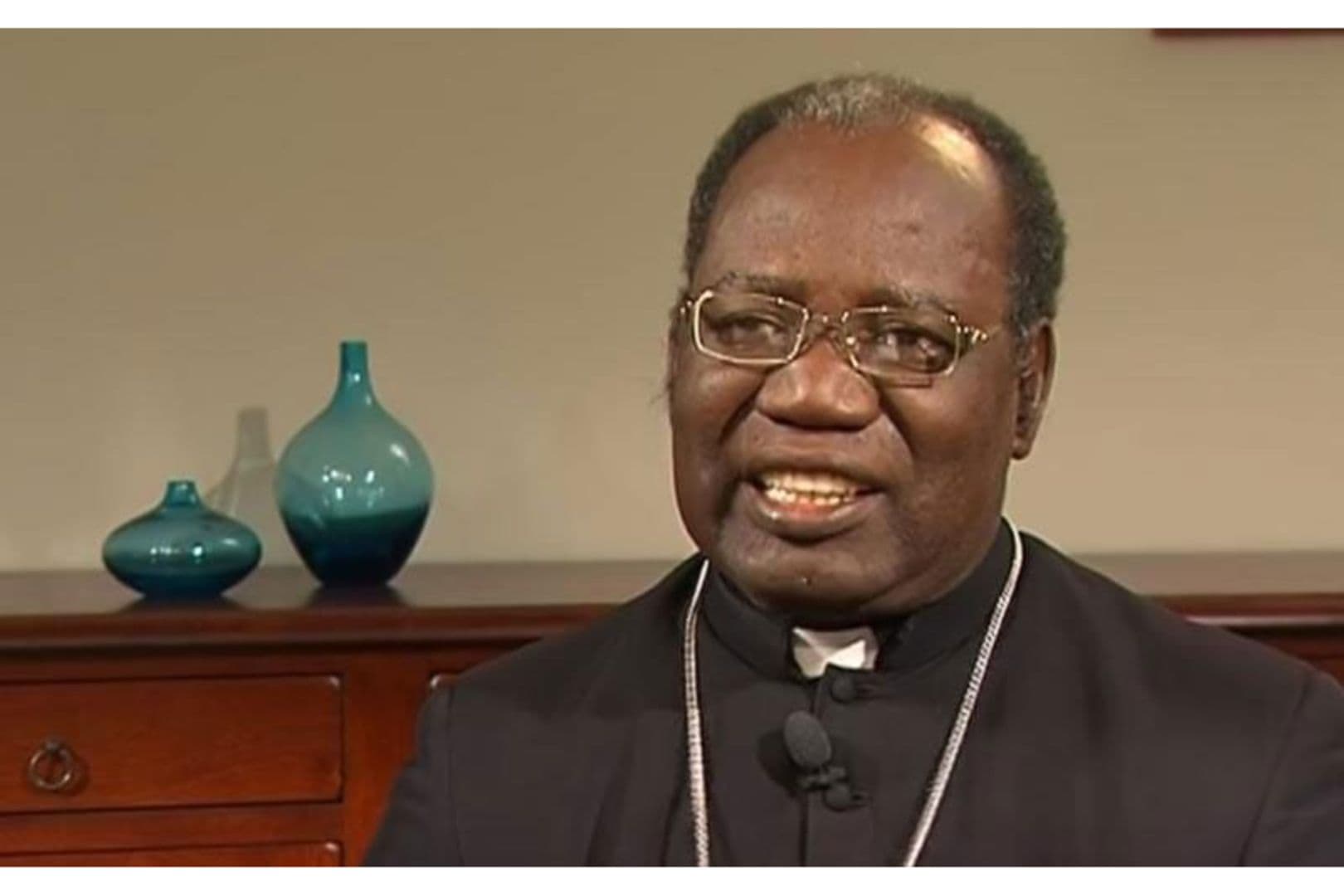
The Catholic Church in East Africa has lost a towering pillar of faith following the death of Polycarp Cardinal Pengo. The 81-year-old former Archbishop of Dar es Salaam, who shaped the region's spiritual and moral landscape for decades, passed away while undergoing treatment in Tanzania's commercial capital.
Polycarp Cardinal Pengo, the steadfast prelate who shepherded the Catholic Archdiocese of Dar es Salaam through a quarter-century of profound transformation, died on Wednesday night at the Jakaya Kikwete Cardiac Institute. He was 81.
His passing marks the end of an era for the Catholic Church not just in Tanzania, but across the broader East African region, including Kenya. Cardinal Pengo was a resolute moral compass who navigated complex socio-political shifts, championing social justice and spiritual fortitude during times of rapid regional change.
Born on August 5, 1944, in the rural parish of Mwazye, Sumbawanga, Pengo's ascent through the clerical ranks was characterized by intellectual rigor and deep pastoral care. Ordained a priest in 1971, his academic brilliance led him to Rome, where he earned a doctorate in moral theology from the Pontifical Lateran University in 1977.
He brought this rigorous theological framework back to East Africa. He taught briefly at Kipalapala Theological Seminary before breaking new ground as the first Rector of the Segerea Theological Seminary in Dar es Salaam. His academic tenure was critical in shaping a generation of East African clergy. By establishing a localized theological framework, he ensured that priests trained in Tanzania could effectively minister to congregations facing the unique socioeconomic pressures of the late 20th century. This educational legacy spread across borders, influencing seminary curricula in neighboring Kenya and Uganda.
His pastoral elevation was swift. Appointed Bishop of Nachingwea in 1983 by Pope John Paul II, he later led the Diocese of Tunduru-Masasi. By 1990, he was named Coadjutor Archbishop of Dar es Salaam, ultimately assuming full leadership of the archdiocese in 1992 following the retirement of the iconic Cardinal Laurean Rugambwa.
For Kenyan and regional observers, Pengo's tenure in Dar es Salaam was a masterclass in balancing church doctrine with the pressing socioeconomic realities of East Africa. He consistently advocated for the marginalized, viewing the Church as an active participant in societal development.
The Vatican recognized his formidable leadership, and in February 1998, Pope John Paul II elevated Pengo to the College of Cardinals. This appointment extended his influence far beyond the borders of Tanzania, making him a critical voice for African Catholicism on the global stage.
As a cardinal elector, he wielded significant influence during pivotal moments in modern Church history. He participated in the 2005 papal conclave that elected Pope Benedict XVI and the 2013 conclave that elevated Pope Francis.
His regional impact was formalized when he served as the President of the Symposium of Episcopal Conferences of Africa and Madagascar (SECAM) between 2007 and 2009. In this role, Cardinal Pengo fostered deeper integration among African dioceses, ensuring that the unique challenges facing the continent—from poverty alleviation to political instability—were addressed with a unified moral voice.
His leadership timeline reflects a life dedicated entirely to the Church:
While Cardinal Pengo's ministry was rooted in Tanzania, his theological and moral postures resonated deeply across the border in Kenya. The Catholic Church in East Africa frequently looks to regional elders for unified stances on shared socioeconomic issues.
Throughout his 27-year tenure as Archbishop, Pengo was never afraid to speak uncomfortable truths to power. He routinely issued pastoral letters and public statements urging political leaders to prioritize peace, unity, and moral integrity. When regional clashes or political tensions threatened to destabilize East Africa, his was a voice of unwavering calm and firm correction.
His final days were spent at the Jakaya Kikwete Cardiac Institute (JKCI) in Dar es Salaam, a premier medical facility in the region. His passing at around 10:00 PM East Africa Time (EAT) on Wednesday, February 19, 2026, sparked an immediate outpouring of grief. Within hours, condolences flooded in from political leaders, fellow clergy, and ordinary citizens across East Africa.
In Kenya, where the Catholic Church commands a massive following, Pengo is remembered as a steadfast ally in the regional push for ecclesiastical autonomy and social justice. He was instrumental in fostering a collaborative spirit among East African bishops, often sharing resources and strategic insights to combat regional poverty and political disenfranchisement.
He viewed the Church as the ultimate guarantor of societal morality. Whether addressing the scourge of corruption, the complexities of public health crises, or the erosion of traditional values, Pengo maintained a strictly orthodox yet deeply compassionate pastoral approach. His interventions often set the tone for how neighboring episcopal conferences navigated similar national challenges.
Following his retirement in August 2019, Cardinal Pengo maintained a quieter profile but remained a revered elder statesman of the Church. He handed over the reins to his successor, Archbishop Jude Thaddaeus Ruwa'ichi, who announced his predecessor's passing to a heartbroken nation.
As preparations for his funeral commence, the Catholic faithful across East Africa are remembering a prelate who embodied the essence of servant leadership. The loss is profound, but the structural and spiritual foundations he laid will undoubtedly endure.
"The Church will announce burial arrangements once preparations are complete," stated Archbishop Ruwa'ichi, marking the solemn transition of a leader who spent his life ensuring the perpetual light of faith continued to guide a changing continent.
Keep the conversation in one place—threads here stay linked to the story and in the forums.
Sign in to start a discussion
Start a conversation about this story and keep it linked here.
Other hot threads
E-sports and Gaming Community in Kenya
Active 9 months ago
The Role of Technology in Modern Agriculture (AgriTech)
Active 9 months ago
Popular Recreational Activities Across Counties
Active 9 months ago
Investing in Youth Sports Development Programs
Active 9 months ago
Key figures and persons of interest featured in this article