We're loading the full news article for you. This includes the article content, images, author information, and related articles.
Anti-graft body shifts focus to stopping looting before it happens, saving taxpayers billions in a single year—though bribery remains the national addiction.
NAIROBI — Sixteen and a half billion shillings. That is the amount of taxpayer money—enough to fully fund the construction of three Level 6 referral hospitals—that the Ethics and Anti-Corruption Commission (EACC) says it snatched back from the jaws of cartels in the last financial year.
In a country weary of headlines about "vanishing billions" where the money is often long gone before the investigation begins, the EACC’s 2024/2025 Annual Report signals a critical strategic pivot: stopping the theft before the ink dries on the cheque.
Released on Monday, the report details how a combination of intelligence-led "disruption" operations and aggressive integrity testing prevented the loss of KES 16.5 billion (approx. $127 million). This figure represents the highest amount of public funds protected in recent history, marking a departure from the traditional, reactive model of chasing suspects after the crime.
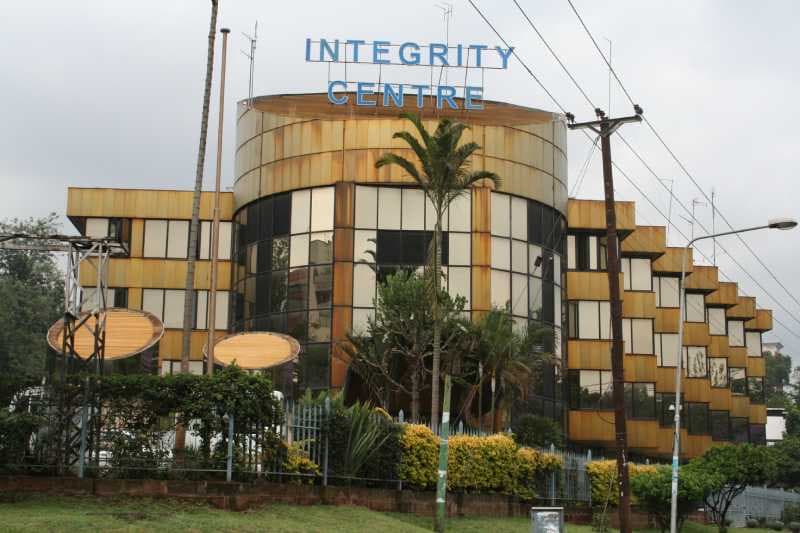
"We are no longer just waiting for the money to be stolen to start chasing it," EACC CEO Abdi Mohamud noted during the report's launch at the Integrity Centre. "Our focus has shifted to disruption. We are entering the boardrooms and procurement offices before the deals are sealed."
The commission’s data reveals that this "prevention first" approach involved 14 major proactive investigations and 166 surprise integrity tests across high-risk institutions. These operations effectively froze suspicious transactions and cancelled irregular tenders that would have otherwise bled the exchequer dry.
For the average Kenyan, this abstract figure of 16.5 billion shillings translates to tangible services. It is roughly equivalent to the entire annual budget allocation for some of Kenya's smaller counties, or enough to build over 10,000 affordable housing units.
Despite the wins in asset protection, the report paints a grim picture of the daily corruption reality. Bribery remains the most pervasive economic crime, accounting for a staggering 37% of all reports processed by the commission.
"It is the oil that greases the wheels of service delivery, unfortunately," a senior analyst at the Institute of Economic Affairs told Streamline News. "Until we break the normalization of 'kitu kidogo' at the counter, the big figures at the top will keep recurring."
Following closely behind bribery were:
The commission highlighted that 4,183 corruption reports were processed in the year, with 1,846 taken up for full investigation. This high conversion rate suggests that Kenyans are becoming more precise and evidentiary in their whistleblowing.
The EACC’s spotlight fell heavily on institutions that form the backbone of public service. The report flagged the Kenya Revenue Authority (KRA), the National Police Service (NPS), and the Ministry of Lands as critical hotspots where integrity tests were concentrated.
In one instance, integrity tests at the Eldoret International Airport's Port Health Services and Mbagathi County Hospital exposed systemic weaknesses that allowed officials to bypass revenue collection systems. By plugging these loopholes, the commission argues it is not just saving money, but restoring the functional integrity of the state.
While the disruption strategy is yielding fruit, the battle in the corridors of justice remains slow but steady. The commission completed 229 investigation files, forwarding 175 to the Office of the Director of Public Prosecutions (ODPP).
The courts concluded 54 corruption cases in the period, resulting in:
The conviction rate of over 60% is an improvement, yet the backlog of 213 pending cases serves as a reminder of the judiciary's struggle to keep pace with the volume of graft.
"The corrupt will fight harder to protect their ill-gotten wealth than they would to avoid imprisonment," Mohamud warned, echoing the sentiments of his predecessor. "But we are making it a high-risk, low-reward venture."
As the EACC tightens the noose on procedural loopholes, the challenge for 2026 will be sustaining this momentum against a political class that often views the commission as an inconvenience rather than a watchdog.
Keep the conversation in one place—threads here stay linked to the story and in the forums.
Sign in to start a discussion
Start a conversation about this story and keep it linked here.
Other hot threads
E-sports and Gaming Community in Kenya
Active 9 months ago
The Role of Technology in Modern Agriculture (AgriTech)
Active 9 months ago
Popular Recreational Activities Across Counties
Active 9 months ago
Investing in Youth Sports Development Programs
Active 9 months ago