We're loading the full news article for you. This includes the article content, images, author information, and related articles.
The East African Community’s muted response to Tanzania's disputed election and subsequent crackdown on dissent raises urgent questions about the bloc's commitment to its own democratic principles, with significant political and economic implications for Kenya and regional stability.

NAIROBI – The East African Community (EAC) is facing mounting criticism for its conspicuous silence following Tanzania's tumultuous General Election on Wednesday, October 29, 2025, and the ensuing state-led crackdown on opposition figures and protesters. While other international bodies have raised alarms, the EAC’s cautious diplomacy is being interpreted by analysts and human rights organizations as a tacit endorsement of impunity, threatening the bloc's credibility and raising concerns for Kenya over regional stability and economic integration.
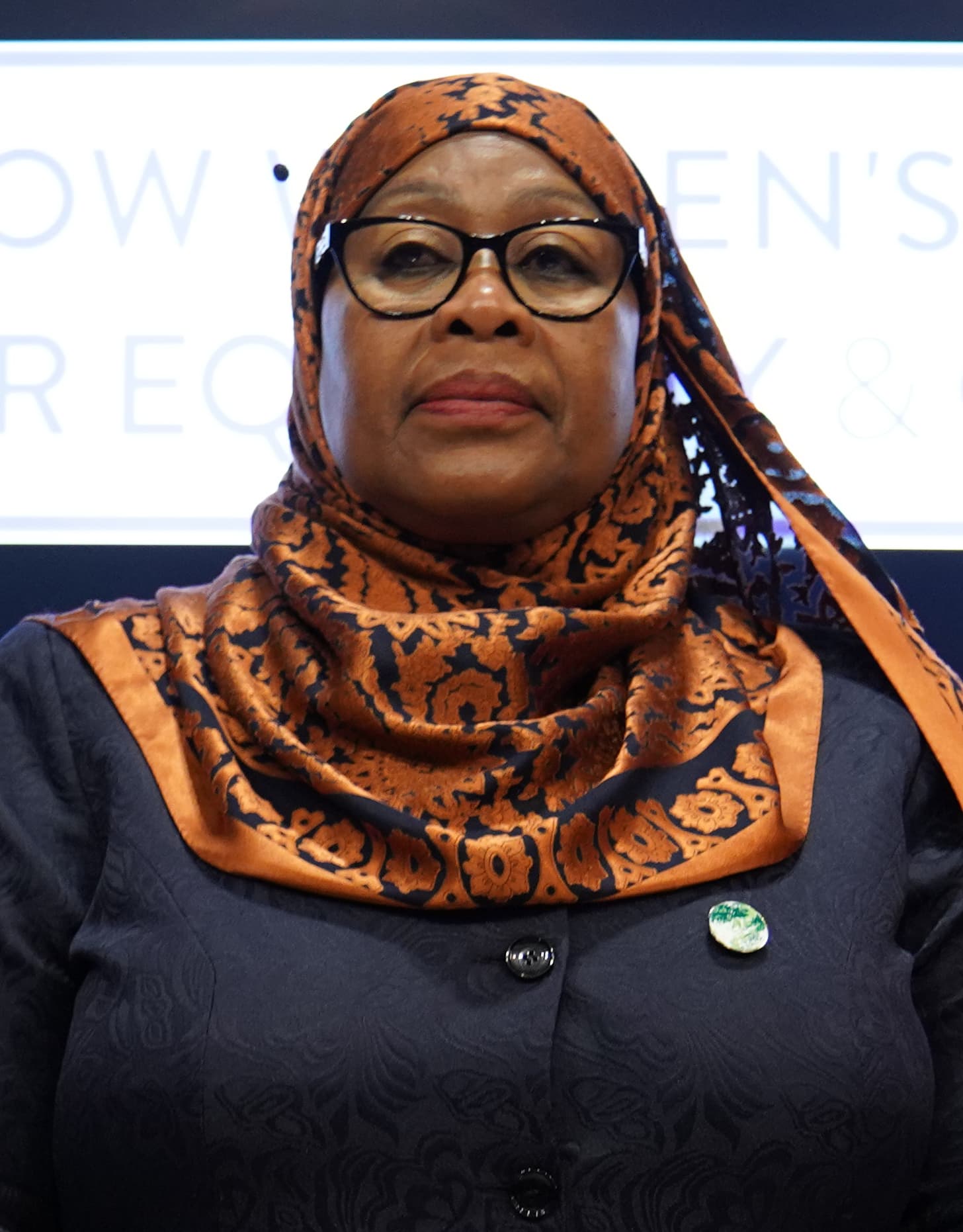
The election, which saw incumbent President Samia Suluhu Hassan secure a controversial victory with nearly 98% of the vote, was preceded by months of intensified repression. Human Rights Watch and Amnesty International released multiple reports ahead of the polls, documenting a systematic campaign against the opposition, media, and civil society. Key opposition figures, including Tundu Lissu of the Chadema party, were arrested on charges of treason, while other candidates were disqualified, effectively clearing the path for the ruling Chama Cha Mapinduzi (CCM). In a report titled “Unopposed, Unchecked, Unjust,” Amnesty International detailed a “wave of terror” intended to suppress dissent. The Tanzanian government, however, dismissed these allegations as “unsubstantiated and misleading.”
Following the vote, widespread protests were met with lethal force by security forces, internet blackouts, and mass arrests. While official figures are unconfirmed due to the communication shutdown, opposition parties and civil society groups have alleged hundreds of deaths. In a statement on Tuesday, November 4, 2025, Human Rights Watch condemned the violent response and called for an investigation into the abuses.
The divergence in regional and international responses has been stark. The African Union (AU) and the Southern African Development Community (SADC) issued strong condemnations, stating the election “fell short” of democratic principles and was not conducive to a peaceful outcome. In contrast, the EAC Election Observation Mission, led by former Ugandan Vice President Dr. Speciosa Kazibwe, issued a polite and cautious preliminary statement that praised logistical preparations but omitted any mention of the widespread irregularities, violence, or internet shutdown documented by others. This muted response has been widely criticized. Kenyan scholar PLO Lumumba described the vote as “a coronation disguised as an election” and lamented that the EAC had “chosen diplomatic convenience over truth.”
The EAC's inaction has direct implications for Kenya, Tanzania's largest trading partner within the bloc. Political instability and a breakdown in the rule of law in a neighbouring state pose significant risks to Kenyan businesses and citizens operating there. On Thursday, November 6, 2025, Kenya's Prime Cabinet Secretary for Foreign Affairs, Dr. Musalia Mudavadi, held talks with his Tanzanian counterpart, Ambassador Mahmoud Thabit Kombo, to address the welfare of Kenyans amid reports of rights violations. While both sides committed to upholding diplomatic ties, the underlying political tensions remain unresolved.
The crisis also tests the foundations of the EAC Common Market Protocol, which guarantees the free movement of goods, services, and people. Recent trade disputes, including a July 2025 order by Tanzania restricting certain business activities for foreigners (later exempted for Kenyans after bilateral talks), highlight the fragility of regional integration when political goodwill falters. An unstable Tanzania could further embolden protectionist policies, disrupting trade flows that are vital for Kenya's economy.
Analysts suggest the EAC’s paralysis stems from a shared reluctance among member states to criticize one another’s internal affairs, fearing it could invite scrutiny of their own domestic challenges. This unwritten rule of non-interference, however, clashes directly with the EAC Treaty. Article 6(d) of the treaty explicitly commits Partner States to uphold principles of good governance, democracy, the rule of law, and universally accepted standards of human rights. The failure to invoke these principles in the face of a clear crisis undermines the bloc’s legal and moral authority.
As civil society groups across the region call for the AU and EAC to abandon a principle that increasingly “resembles a club of presidents shielding each other,” the crisis in Tanzania serves as a critical test. The bloc's continued silence risks rendering its foundational commitments to democracy and human rights meaningless, potentially fueling further instability and eroding the very integration it was created to foster.
Keep the conversation in one place—threads here stay linked to the story and in the forums.
Sign in to start a discussion
Start a conversation about this story and keep it linked here.
Other hot threads
E-sports and Gaming Community in Kenya
Active 9 months ago
The Role of Technology in Modern Agriculture (AgriTech)
Active 9 months ago
Popular Recreational Activities Across Counties
Active 9 months ago
Investing in Youth Sports Development Programs
Active 9 months ago
Key figures and persons of interest featured in this article