We're loading the full news article for you. This includes the article content, images, author information, and related articles.
The skies have closed, and the earth is cracking. Kenya is entering a humanitarian abyss as the worst drought in nearly half a century decimates livelihoods and threatens millions.
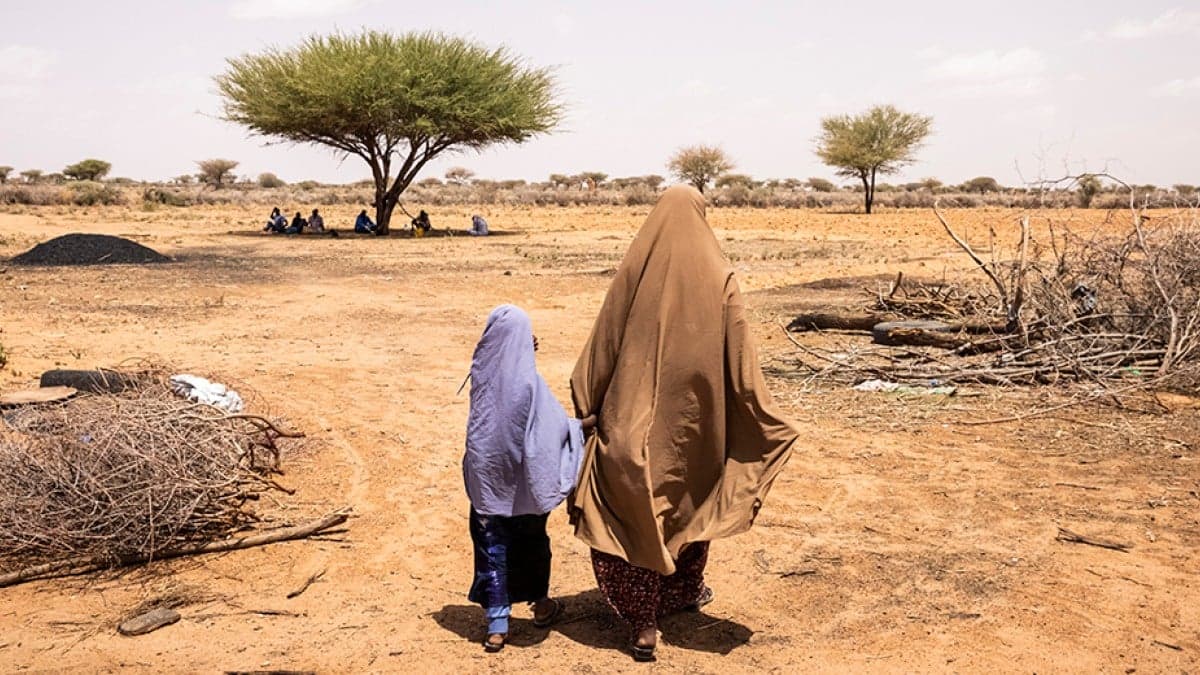
The statistics are apocalyptic, but the reality is silent: the silence of dried riverbeds, the silence of empty grain stores, and the silence of livestock dying on the hoof. Kenya is officially in the grip of the most severe dryness in 45 years, a climate catastrophe that has pushed the country into IPC Phase 3 Crisis levels.
As the calendar turns to February 2026, the "short rains" of late 2025 have proven to be a cruel failure. The National Drought Management Authority (NDMA) and international monitors warn that the January-March lean season will be "particularly harsh." This is not just a bad season; it is a structural collapse of the ecosystem that supports millions of pastoralists and farmers.
The crisis is not uniform; it is a targeted assault on the arid and semi-arid lands (ASALs). From Mandera to Turkana, the report from the ground is one of desperation.
"Our children are next," warned Bishar Maalim Mohammed, a pastoralist in Tawakal village. His words are not hyperbole. The Famine Early Warning Systems Network estimates that over 20 million people across the Horn of Africa are in need of humanitarian assistance. In Kenya alone, the number of food-insecure people is rising by the day.
While the government has rolled out the Hunger Safety Net Program (HSNP), cash transfers are facing "inconsistencies," undermining their impact when they are needed most. The international community, distracted by global conflicts, has been slow to mobilize the scale of aid required to avert famine.
This drought is a grim reminder of the climate reality facing East Africa. The predictable cycles of the past are gone, replaced by an era of extremes. As the sun beats down on the scorched earth of Northern Kenya, the country faces a terrifying question: How long can we survive without rain?
Keep the conversation in one place—threads here stay linked to the story and in the forums.
Sign in to start a discussion
Start a conversation about this story and keep it linked here.
Other hot threads
E-sports and Gaming Community in Kenya
Active 9 months ago
The Role of Technology in Modern Agriculture (AgriTech)
Active 9 months ago
Popular Recreational Activities Across Counties
Active 9 months ago
Investing in Youth Sports Development Programs
Active 9 months ago