We're loading the full news article for you. This includes the article content, images, author information, and related articles.
Relentless rain across the UK is destroying livelihoods, from Devon thatchers to London gardeners, as the climate crisis confuses seasons and floods businesses.

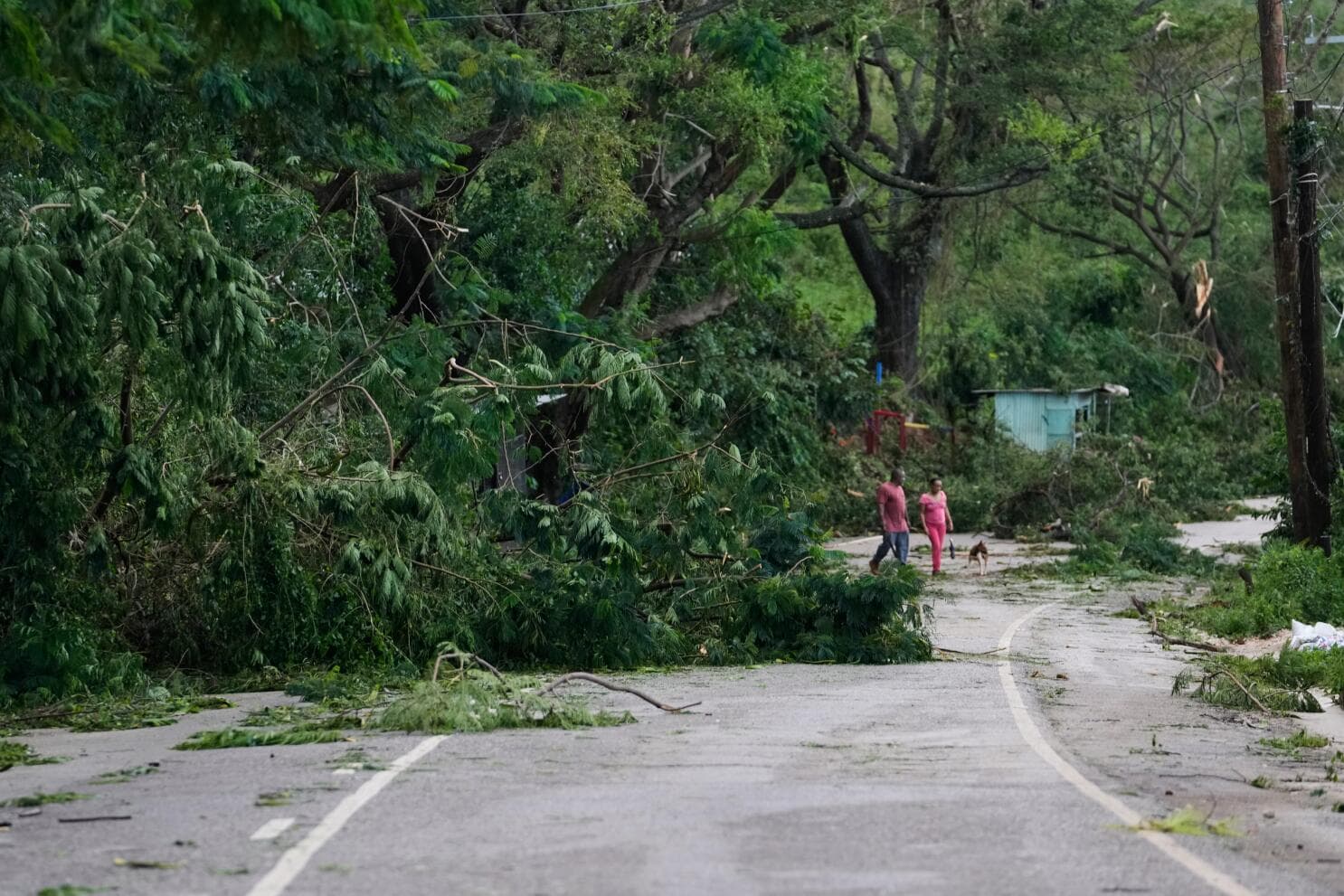
The skies over Britain have opened, and they refuse to close. For weeks, a relentless deluge has battered the UK, turning fields into lakes and livelihoods into memories. As 76 flood warnings remain in force, a quiet desperation is setting in among the tradespeople, farmers, and gardeners whose economic survival depends on a weather system that seems to have broken.
This is not just "bad weather"; it is a slow-motion economic disaster. From the thatched cottages of Devon to the plant nurseries of Cornwall and the gardens of London, the "silly season" of rain is washing away profits and patience. "Seasons have become confused," says London gardener Connor Law, capturing the bewildering reality of a climate crisis that has made the abnormal the new normal. For many, the financial water is rising just as fast as the rivers.
In North Devon, master thatcher Mark Harrington is watching his business "haemorrhage money." With 30 years of experience, he notes that while winter rain is expected, the intensity and duration of these storms are unprecedented. "You’re sitting in your truck doing nothing while the rain pours," he laments. The delays mean jobs take longer, materials like wheat are rotting in the ground before they can be harvested, and his skilled team is looking for indoor work. It is a crisis of continuity; if the skills leave the trade, they may never return.
Further south in Cornwall, John and Vicki witness the destruction of a lifetime's work. They have lost 15 mature trees this year alone, their roots loosened by sodden ground and toppled by fierce winds. Their plant nursery, once a haven of "sheer beauty," is now a battleground against the elements. "Storm Goretti blew my last remaining polytunnel cover off," Vicki says, signaling a forced retreat from a business made unviable by the changing climate.
The despair is palpable. John predicts that what we are seeing is "only the beginning of a long drawn out disaster," with structural damage to buildings likely to follow the loss of trees. The romantic notion of British rain has been replaced by a "misty and dank" reality that feels like a "third-rate historian novel."
As the downpours continue, the resilience of the British tradesperson is being tested to its breaking point. Adaptation—growing wetland plants, abandoning polytunnels—is the only path forward, but for many, the financial damage has already been done. The weather has changed, and the economy must now desperately try to catch up.
Keep the conversation in one place—threads here stay linked to the story and in the forums.
Sign in to start a discussion
Start a conversation about this story and keep it linked here.
Other hot threads
E-sports and Gaming Community in Kenya
Active 9 months ago
The Role of Technology in Modern Agriculture (AgriTech)
Active 9 months ago
Popular Recreational Activities Across Counties
Active 9 months ago
Investing in Youth Sports Development Programs
Active 9 months ago