We're loading the full news article for you. This includes the article content, images, author information, and related articles.
An impassioned critique arguing that the drought in Northern Kenya is a human rights crisis fueled by historical neglect, demanding a shift from reactive relief to proactive, rights-based governance.
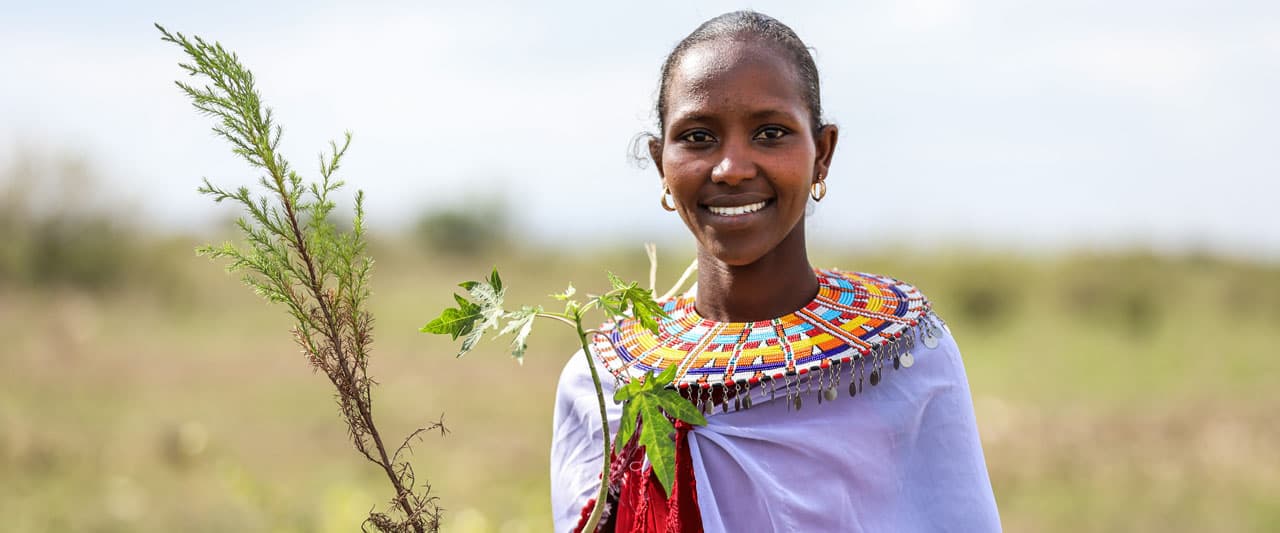
The parched earth of Northern Kenya is not merely a victim of climate change; it is a crime scene of neglect. The recurrent drought ravaging the region is a full-blown human rights crisis that exposes the systemic failure to protect the most vulnerable citizens of this republic.
For too long, the narrative around the drought in the North has been one of "natural disaster"—a convenient label that absolves the state of responsibility. This is a lie. The crisis currently unfolding, marked by decimated livestock and malnourished children, is the result of historical marginalization and weak governance. We are witnessing the violation of the most basic human rights: the right to food, water, and life itself. The rains may have failed, but the government failed first.
The tragedy is that this was predictable. The National Drought Management Authority (NDMA) produces credible, data-driven early warning reports. We knew the pasture was declining; we knew the water pans were drying up. Yet, this intelligence was met with inertia. [...](asc_slot://start-slot-13)When credible early warning data is ignored, it constitutes a dereliction of duty by the state. We wait for the emaciated cattle and the skeletal children to make the news before mobilizing "relief."
A true human rights-based approach demands anticipatory action, not reactive charity. It means rehabilitating water infrastructure before the taps run dry. It means triggering cash transfers before families sell their last goat. It means treating the people of Northern Kenya not as beneficiaries of aid, but as rights-holders entitled to the protection of their government.
We must reject the normalization of suffering in the Arid and Semi-Arid Lands (ASALs).The cycle of drought and relief is a policy choice, and it is a bad one. To break it, we must address the root causes: the lack of investment in sustainable water systems, the exclusion of local communities from decision-making, and the refusal to view pastoralism as a viable economic engine.
Northern Kenya does not need more pity; it needs justice. It needs a government that honors its social contract. Until we treat the drying of a riverbed in Mandera with the same urgency as a power blackout in Nairobi, we are not one nation.
Keep the conversation in one place—threads here stay linked to the story and in the forums.
Sign in to start a discussion
Start a conversation about this story and keep it linked here.
Other hot threads
E-sports and Gaming Community in Kenya
Active 9 months ago
The Role of Technology in Modern Agriculture (AgriTech)
Active 9 months ago
Popular Recreational Activities Across Counties
Active 9 months ago
Investing in Youth Sports Development Programs
Active 9 months ago