We're loading the full news article for you. This includes the article content, images, author information, and related articles.
Director of Public Prosecutions Renson Ingonga has publicly attributed the frustrating delays in prosecuting police misconduct cases to slow and incomplete investigations by the Independent Policing Oversight Authority (IPOA) and the Directorate of Criminal Investigations (DCI).
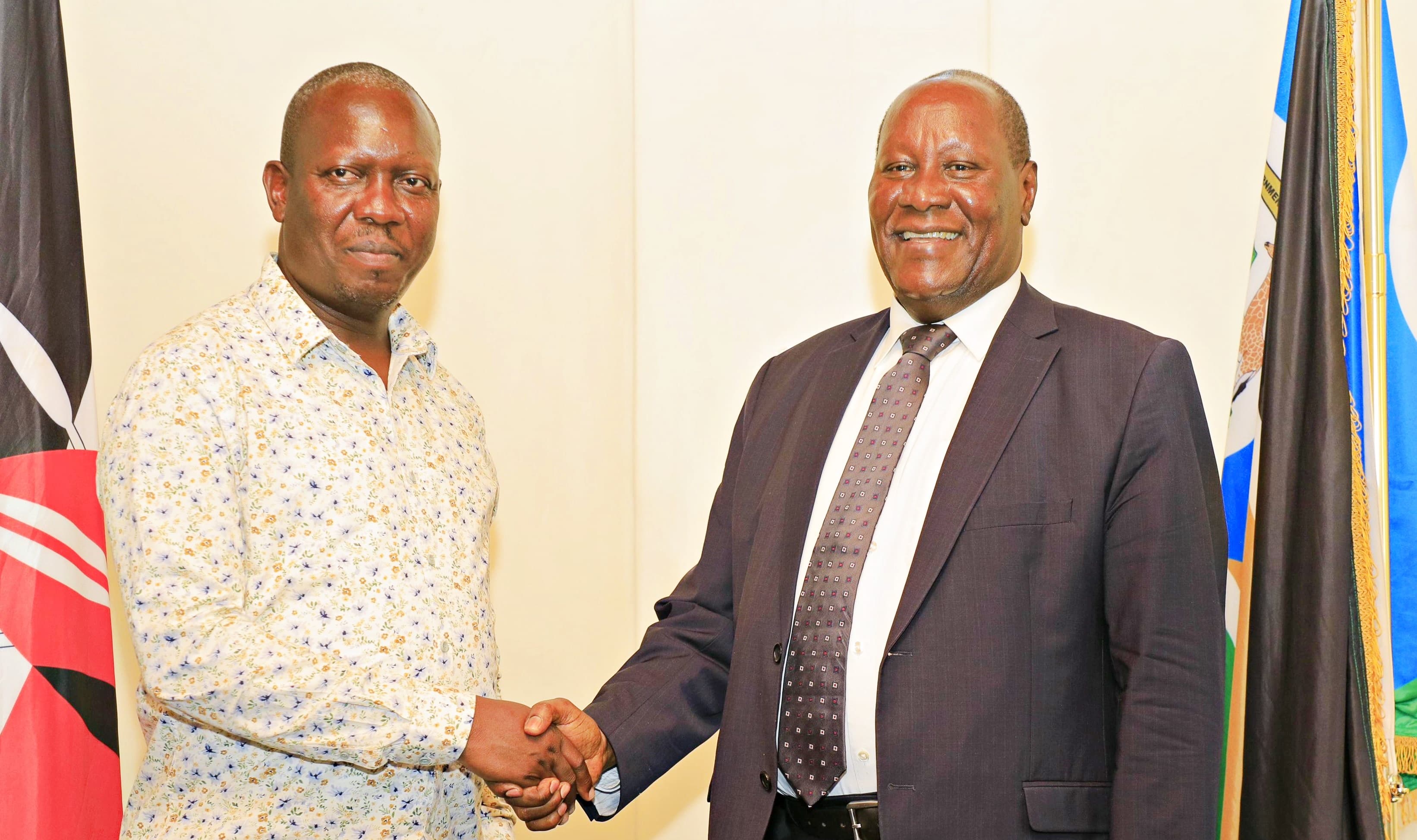
Director of Public Prosecutions Renson Ingonga has publicly attributed the frustrating delays in prosecuting police misconduct cases to slow and incomplete investigations by the Independent Policing Oversight Authority (IPOA) and the Directorate of Criminal Investigations (DCI).
In a candid address to the press, Ingonga robustly defended his office, emphasizing that prosecutors cannot initiate court trials without comprehensive, legally sound evidence files.
This stark declaration shines a harsh spotlight on the systemic operational disconnects within Kenya's criminal justice system. The statement addresses mounting public frustration over the perceived lack of accountability regarding alleged extrajudicial killings and police brutality, shifting the ultimate burden of proof back to the statutory investigative agencies.
During the briefing, the Director of Public Prosecutions sought to clarify the strict operational boundaries of his office. He articulated that the ODPP functions exclusively at the "tail end" of the justice process. When a crime or human rights violation occurs, it is the strict constitutional mandate of the DCI or IPOA to visit the scene, collect forensic evidence, interview witnesses, and compile an airtight docket.
Until a fully finalized file is formally submitted to the ODPP for legal review, prosecutors are essentially powerless to act. “I'll implore upon you, the fourth estate, for you to support us on this. Kenyans do not understand the roles of these distinct institutions. You must tell Kenyans that the ODPP is at the tail end of anything,” Ingonga passionately explained.
This bureaucratic reality frequently clashes with public expectations. When high-profile incidents of police misconduct dominate headlines, citizens demand immediate arrests and swift courtroom arraignments. However, launching a prosecution prematurely based purely on public pressure and unverified allegations often leads to disastrous courtroom acquittals.
Ingonga delivered a stern warning regarding the severe legal ramifications of rushing incomplete cases to trial. If the evidence presented does not meet the stringent legal threshold required to secure a conviction beyond a reasonable doubt, the accused individuals will inevitably be set free by the judiciary.
The ODPP's review process is designed to act as a rigorous quality control mechanism to prevent such miscarriages of justice. The key elements prosecutors demand from investigators include:
The DPP clarified that returning a file to investigators to plug evidentiary loopholes is a standard legal procedure, not a refusal to prosecute. He urged IPOA and the DCI to enhance their forensic capabilities and expedite their internal processes to ensure justice is served promptly.
The issue of police misconduct remains an incredibly sensitive and volatile subject in Kenya. Civil society organizations frequently document instances of excessive force during protests, forced disappearances, and unlawful detentions. Families of victims endure agonizing waits, sometimes lasting years, for a semblance of justice.
Ingonga's remarks highlight an urgent need for enhanced synergy between the investigative and prosecutorial arms of the government. The current friction severely undermines public trust in state institutions. To bridge this gap, legal experts recommend the establishment of joint task forces where prosecutors advise investigators in real-time from the onset of a complex probe, ensuring the gathered evidence is immediately trial-ready.
As the debate surrounding institutional accountability intensifies, the ball is now firmly in the court of the DCI and IPOA to deliver unimpeachable investigations. “What is fundamentally important is the investigations, because the precise way evidence is collected is what informs the DPP to proceed to court,” Ingonga concluded, reaffirming his commitment to the strict rule of law.
Keep the conversation in one place—threads here stay linked to the story and in the forums.
Sign in to start a discussion
Start a conversation about this story and keep it linked here.
Other hot threads
E-sports and Gaming Community in Kenya
Active 9 months ago
The Role of Technology in Modern Agriculture (AgriTech)
Active 9 months ago
Popular Recreational Activities Across Counties
Active 9 months ago
Investing in Youth Sports Development Programs
Active 9 months ago