We're loading the full news article for you. This includes the article content, images, author information, and related articles.
French officials dismiss Pretoria`s claims of U.S.-backed exclusion from the upcoming G7 summit in Paris, citing a strategic focus on Kenya`s regional stability.

The halls of power in Pretoria and Paris are currently gripped by a sharp diplomatic dispute following accusations that South Africa has been systematically sidelined from the upcoming G7 leaders' summit in June. At the heart of the controversy is a claim from the South African presidency alleging that the exclusion was not a sovereign decision by the French hosts, but rather a concession to pressure from Washington.
This narrative of external influence has sparked a firestorm in diplomatic circles, casting a long shadow over the preparations for the summit in Paris. While the French government has firmly rejected these allegations as groundless, the substitution of South Africa with Kenya on the invitee list serves as a tangible indicator of the shifting alliances defining the current global geopolitical landscape. The friction underscores the profound complexity of modern African diplomacy, where alignment with global power blocs like the G7 and BRICS remains a delicate, often volatile, balancing act.
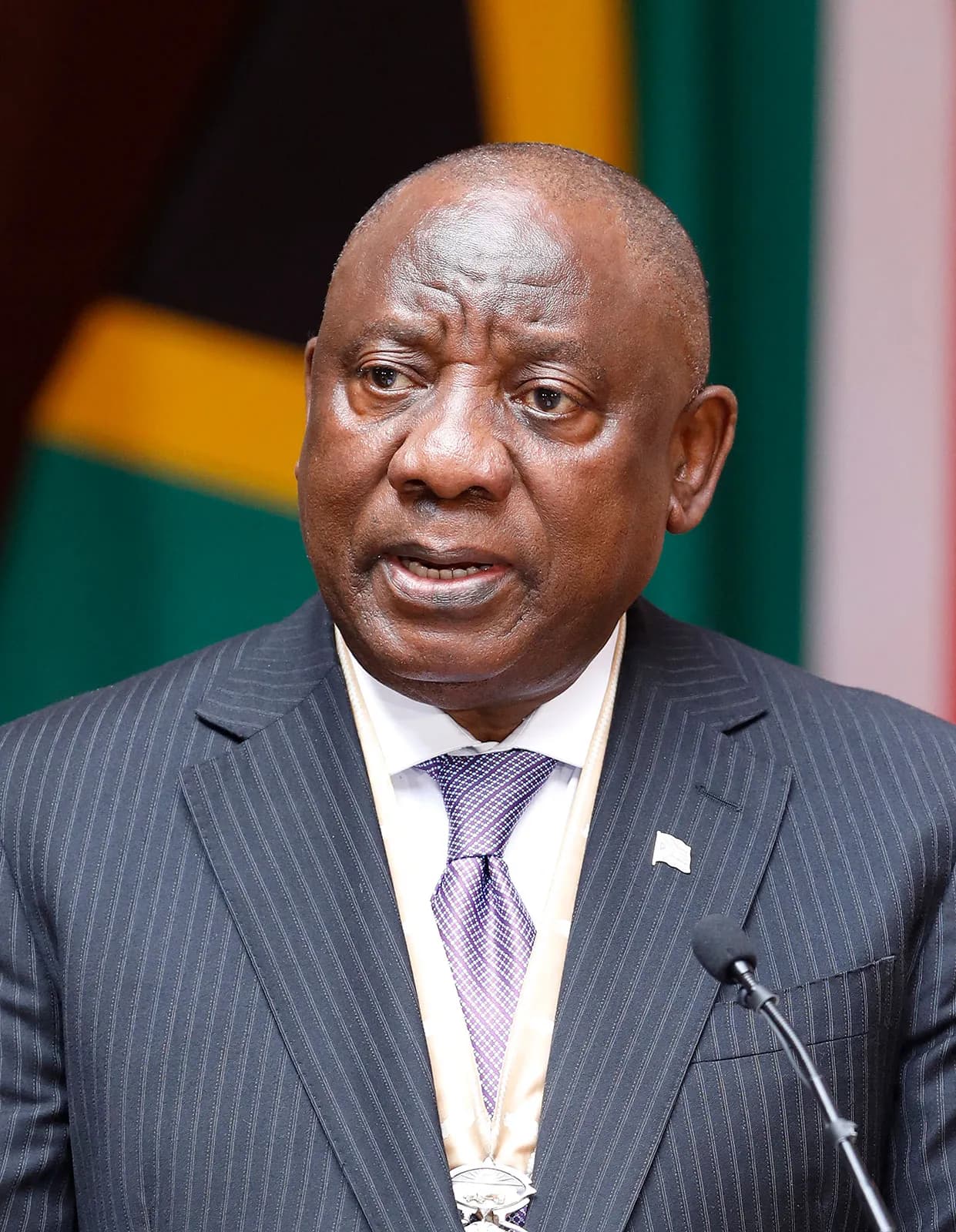
In a formal statement released earlier this week, the office of the South African President Cyril Ramaphosa suggested that the exclusion of Pretoria from the high-level talks was driven by Washington's discomfort with South Africa's assertive stance on international issues. Specifically, Pretoria has long maintained a policy of non-alignment, a stance that has occasionally put it at odds with the United States and its allies regarding the war in Ukraine and the deepening ties within the BRICS+ framework.
French officials, however, have mounted a robust defense against these claims. Sources within the Élysée Palace describe the selection process for the G7 summit as purely strategic, focusing on nations that demonstrate proactive engagement with the G7's current priorities: climate finance, regional stability in conflict-prone areas, and the digital transition. By characterizing the invitee list as a tool for international cooperation rather than a political reward, Paris aims to quell the perception that the summit has become a venue for ideological vetting.
The decision to extend an invitation to Kenya instead of South Africa has provided critics with ammunition, yet for many regional observers, it is a logical evolution of France's Africa policy. Nairobi has positioned itself as an indispensable partner for the West, particularly through its active role in peacekeeping missions in Haiti and its aggressive pursuit of a green energy agenda that aligns closely with European environmental targets.
The shift highlights three core areas where Nairobi has distinguished itself from Pretoria in the eyes of Western capitals:
The tension also serves to illuminate the deepening divide between the G7 and the burgeoning BRICS bloc. South Africa, a founding member of BRICS, has often served as a voice for the Global South, frequently challenging the consensus of the industrialized North. Analysts at the University of Nairobi argue that the friction is not merely about a summit invitation, but about the future of African agency in a multipolar world.
When African nations pursue independent foreign policies, they frequently encounter resistance from entrenched interests in the North. For Pretoria, the G7 snub is seen as an attempt to coerce alignment. For Paris, the inclusion of Kenya is framed as an engagement with a partner that shares its vision for a rules-based order, rather than a departure from that order. This divergence reveals a fundamental disagreement on the nature of African sovereignty: is an African nation a partner to be engaged on specific merits, or is it a bloc member to be categorized by its affiliations?
Economic data further complicates this narrative. While South Africa remains an industrial powerhouse, its reliance on coal and its struggling state-owned enterprises have often made it a difficult partner for the decarbonization initiatives prioritized by the G7. Conversely, Kenya's commitment to an economy powered by over 90 percent renewable energy provides a compelling narrative for European leaders seeking to demonstrate the success of their climate finance initiatives. The choice of Kenya is, in this light, as much a marketing decision for the G7 as it is a diplomatic maneuver.
As the date for the Paris summit approaches, the rhetoric from Pretoria is unlikely to soften. The South African government faces internal pressure to defend its dignity on the global stage, especially as it navigates a challenging domestic environment characterized by high unemployment and energy instability. The perceived slight by a major European power plays into a broader narrative of Western arrogance that continues to resonate with voters across the continent.
Ultimately, this diplomatic spat exposes the fragile nature of North-South relations in an era of renewed great-power competition. If the G7 wishes to maintain relevance in Africa, it must navigate the thin line between choosing preferred partners and appearing to dictate regional alignments. Until then, Nairobi and Pretoria will continue to represent two very different paths for African diplomacy: one of cautious integration into the Western-led order, and one of principled, if occasionally contentious, detachment.
The question that remains, and which will undoubtedly dominate the corridors of the African Union in the coming months, is whether this exclusion marks a temporary realignment or the beginning of a more permanent fracture in how the world’s most powerful economies interact with the continent’s leading voices.
Keep the conversation in one place—threads here stay linked to the story and in the forums.
Sign in to start a discussion
Start a conversation about this story and keep it linked here.
Other hot threads
E-sports and Gaming Community in Kenya
Active 10 months ago
The Role of Technology in Modern Agriculture (AgriTech)
Active 10 months ago
Popular Recreational Activities Across Counties
Active 10 months ago
Investing in Youth Sports Development Programs
Active 10 months ago
Key figures and persons of interest featured in this article