We're loading the full news article for you. This includes the article content, images, author information, and related articles.
4Chan’s dismissal of a £520,000 fine for UK safety failures highlights a growing jurisdictional conflict between US tech platforms and global regulators.

A pixelated hamster, rendered by artificial intelligence, now stands as the latest barrier between international regulatory ambition and the raw, anarchic reality of the internet. When the United Kingdom's communications regulator, Ofcom, issued a fine of £520,000—approximately KES 88.4 million—against the US-based imageboard 4Chan, it expected a response framed in legal precedent. Instead, it received a cartoon rodent, signaling a deepening crisis in how sovereign nations attempt to govern global digital spaces.
This standoff transcends a mere disagreement over fines. It exposes the widening chasm between the UK's stringent Online Safety Act, designed to enforce age verification and content moderation, and the staunch, First Amendment-anchored libertarianism of the American technology sector. As digital borders become increasingly porous, the question for regulators in London, Nairobi, and beyond is whether national laws can ever effectively bind platforms that operate with a philosophy of absolute jurisdictional immunity.
The punitive action taken by Ofcom is substantial, at least in its symbolic weight. The regulator has levied £450,000 (roughly KES 76.5 million) specifically for 4Chan's persistent failure to implement age-gating mechanisms to prevent minors from accessing pornography. An additional £50,000 (KES 8.5 million) relates to a failure to assess risks regarding illegal material, with a final £20,000 (KES 3.4 million) penalty for failing to detail protective measures for users against criminal content.
For Ofcom, the stance is clear. Suzanne Cater, the regulator's director of enforcement, has emphasized that geography provides no exemption from the fundamental duty of care. The regulator maintains that if a platform serves users within the UK, it must adhere to the standards of the UK, regardless of where the servers are hosted. The logic mirrors physical safety regulations: one cannot sell unsafe goods in a UK market simply because the manufacturing occurred in a country with laxer safety standards.
Representing the platform, lawyer Preston Byrne has dismissed the regulator's authority with a strategy that blends legal defiance and digital theater. By responding with an AI-generated image rather than a formal legal rebuttal, 4Chan has explicitly framed the regulatory attempt as a joke unworthy of serious engagement. In subsequent public statements, Byrne anchored the platform's defense in the US Constitution.
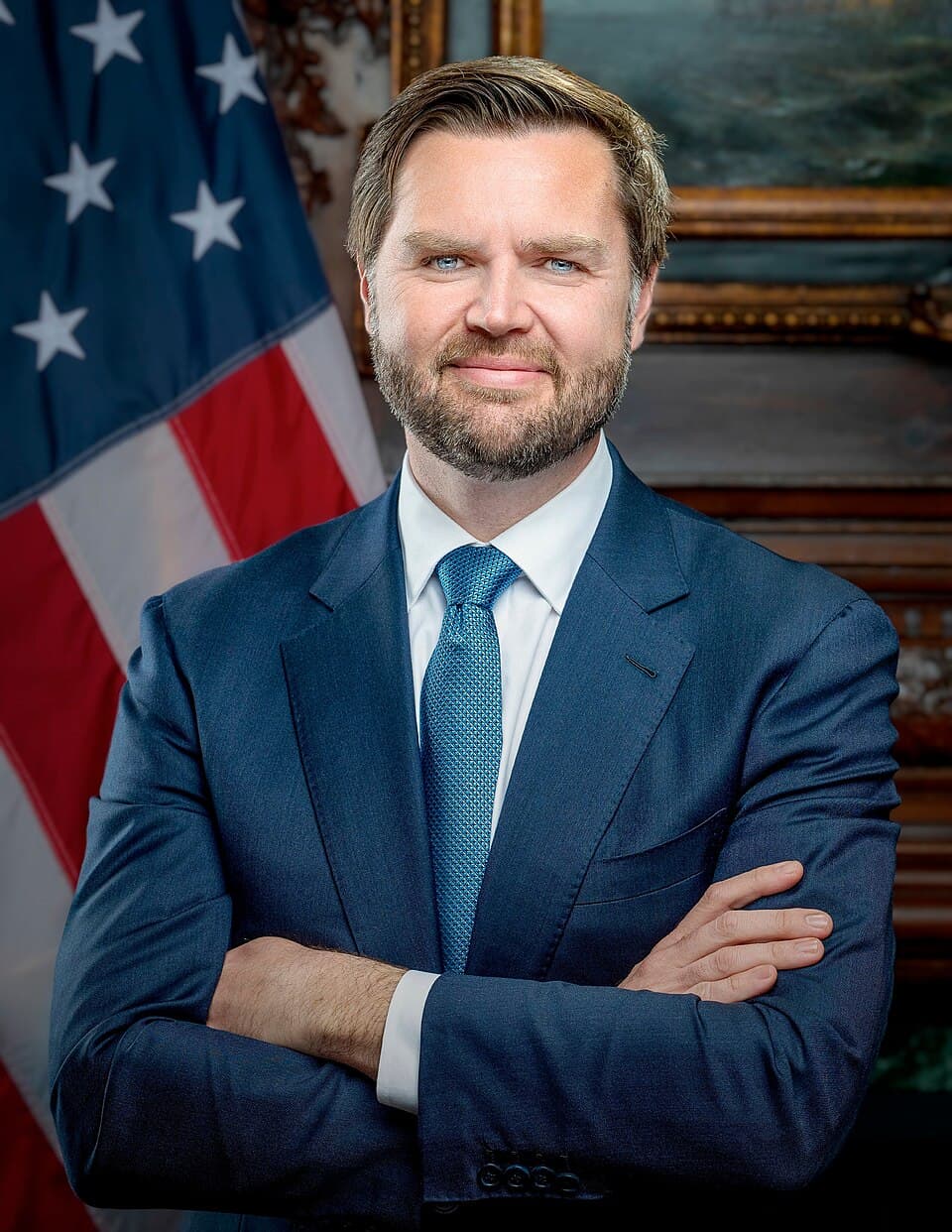
Byrne argues that in the United States, 4Chan's conduct is protected by the First Amendment, and that the UK's attempt to exert extraterritorial jurisdiction is an overreach. This argument taps into a broader, growing sentiment among US tech leaders. As noted by American political figures, including Vice President JD Vance during the AI Summit in Paris, there is a mounting impatience with foreign governments attempting to shape the operational models of US technology firms. This friction points to a future where internet fragmentation becomes the norm, with platforms operating in distinct regulatory silos.
The conflict between 4Chan and the UK holds significant weight for the East African digital landscape. Kenya, which has increasingly sought to codify digital safety through the Computer Misuse and Cybercrimes Act, faces similar challenges. As Nairobi positions itself as a regional tech hub, the ability to enforce local laws against global entities is a primary concern for policymakers.
The current state of digital regulation often mirrors the following tensions:
For a Kenyan reader, the 4Chan saga serves as a preview of the obstacles that lie ahead. When the national government demands compliance from global tech conglomerates regarding data privacy, hate speech, or safety, they face the same "jurisdictional shrug" that Ofcom is now experiencing. If the UK, with its massive regulatory machinery and economic leverage, struggles to force compliance, the challenge for developing economies is exponentially higher.
The fundamental issue is not merely the fine itself, but the lack of an international consensus on digital governance. As long as platforms operate on a model of jurisdictional arbitrage—hosting content where laws are weakest while monetizing audiences where laws are strongest—enforcement will remain an uphill battle. The 4Chan episode is not an isolated incident of petulance it is a symptom of a systemic inability to reconcile national sovereignty with the borderless nature of modern communication.
As the UK prepares to enforce its demands, the industry will be watching to see if this fine is a prelude to a total block of the platform within British borders, or if it will expose the limitations of regulatory power in the digital age. Regardless of the outcome, the hamster meme will likely remain the defining image of this dispute: a symbol of the utter contempt held by certain corners of the internet for the mechanisms of the state. The era of the global, ungovernable internet is not ending, but the battle to tame it has officially moved into the courtroom and the tax office.
Keep the conversation in one place—threads here stay linked to the story and in the forums.
Sign in to start a discussion
Start a conversation about this story and keep it linked here.
Other hot threads
E-sports and Gaming Community in Kenya
Active 10 months ago
The Role of Technology in Modern Agriculture (AgriTech)
Active 10 months ago
Popular Recreational Activities Across Counties
Active 10 months ago
Investing in Youth Sports Development Programs
Active 10 months ago
Key figures and persons of interest featured in this article