We're loading the full news article for you. This includes the article content, images, author information, and related articles.
The human cost of Venezuela’s political deadlock has spilled onto the streets of Caracas, where desperate relatives of political prisoners have launched a hunger strike outside the notorious "Zona 7" detention center.
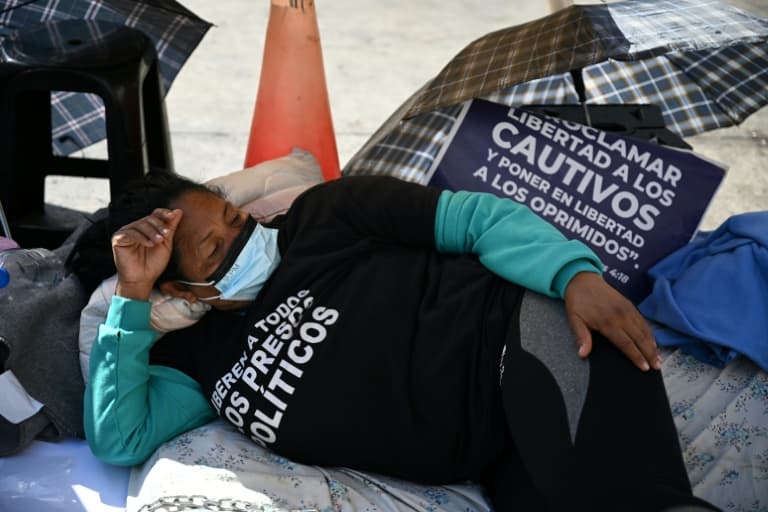
The human cost of Venezuela’s political deadlock has spilled onto the streets of Caracas, where desperate relatives of political prisoners have launched a hunger strike outside the notorious "Zona 7" detention center, demanding the release of their loved ones amidst a stalled amnesty process.
The strike began on Saturday, February 14, just hours after 17 detainees were unexpectedly released in the dead of night. While those reunions brought tears of joy, they also brought agonizing uncertainty for the families of the 33 prisoners left behind. Sleeping on cardboard mats on the pavement, these women and mothers have vowed to starve themselves until every single political prisoner walks free. "Sleeping eases the hunger," one mother told reporters, a harrowing testament to their resolve.
This protest is unfolding against the backdrop of a brittle political transition. The Venezuelan National Assembly is currently debating an amnesty law that could potentially free hundreds of dissidents imprisoned during the Nicolas Maduro era. However, the pace of the debate is agonizingly slow for those whose lives are paused behind bars. The "Zona 7" facility, a police detention center, has become a symbol of the arbitrary detention that has plagued the oil-rich nation for decades.
The hunger strikers are not just fighting for their relatives; they are fighting for the integrity of a promise. The release of the 17 prisoners was seen as a goodwill gesture by the government, likely pressured by international actors including the United States, which has linked sanctions relief to democratic reforms. Yet, the "selective" nature of the releases has bred suspicion. Why were some freed while others remain? Is freedom now a lottery ticket?
For Kenyans watching this distant drama, the parallels are uncomfortable. The image of mothers camping outside police stations, demanding the production of their sons, is a scene etched into Kenya's own history—from the Nyayo House era to the recent Gen-Z protests. The universality of a mother’s grief transcends borders. In Caracas, as in Nairobi, the state’s machinery moves at a glacial pace, while human lives hang in the balance.
The hunger strike is a high-stakes gamble. It forces the Venezuelan government to choose between a humanitarian disaster on its doorstep or a concession that might be interpreted as weakness.The NGO Foro Penal estimates that over 600 political prisoners remain across the country. The 10 women lying on the concrete outside Zona 7 represent a fraction of that pain, but their action has focused the world's lens on the unfinished business of Venezuela’s recovery.
“We are not asking for favors; we are asking for justice,” declared Yessy Orozco, whose father remains detained. As the sun sets over Caracas, the resolve of these women hardens. They have stopped eating, but they have not stopped hoping. Their empty stomachs are now the loudest voice in Venezuela.
Keep the conversation in one place—threads here stay linked to the story and in the forums.
Sign in to start a discussion
Start a conversation about this story and keep it linked here.
Other hot threads
E-sports and Gaming Community in Kenya
Active 9 months ago
The Role of Technology in Modern Agriculture (AgriTech)
Active 9 months ago
Popular Recreational Activities Across Counties
Active 9 months ago
Investing in Youth Sports Development Programs
Active 9 months ago