We're loading the full news article for you. This includes the article content, images, author information, and related articles.
The tragic death of a 25-year-old passenger shoved from a moving bus along the Nairobi-Namanga highway has reignited outrage over the impunity and systemic regulatory failures of Kenya’s public transport sector.
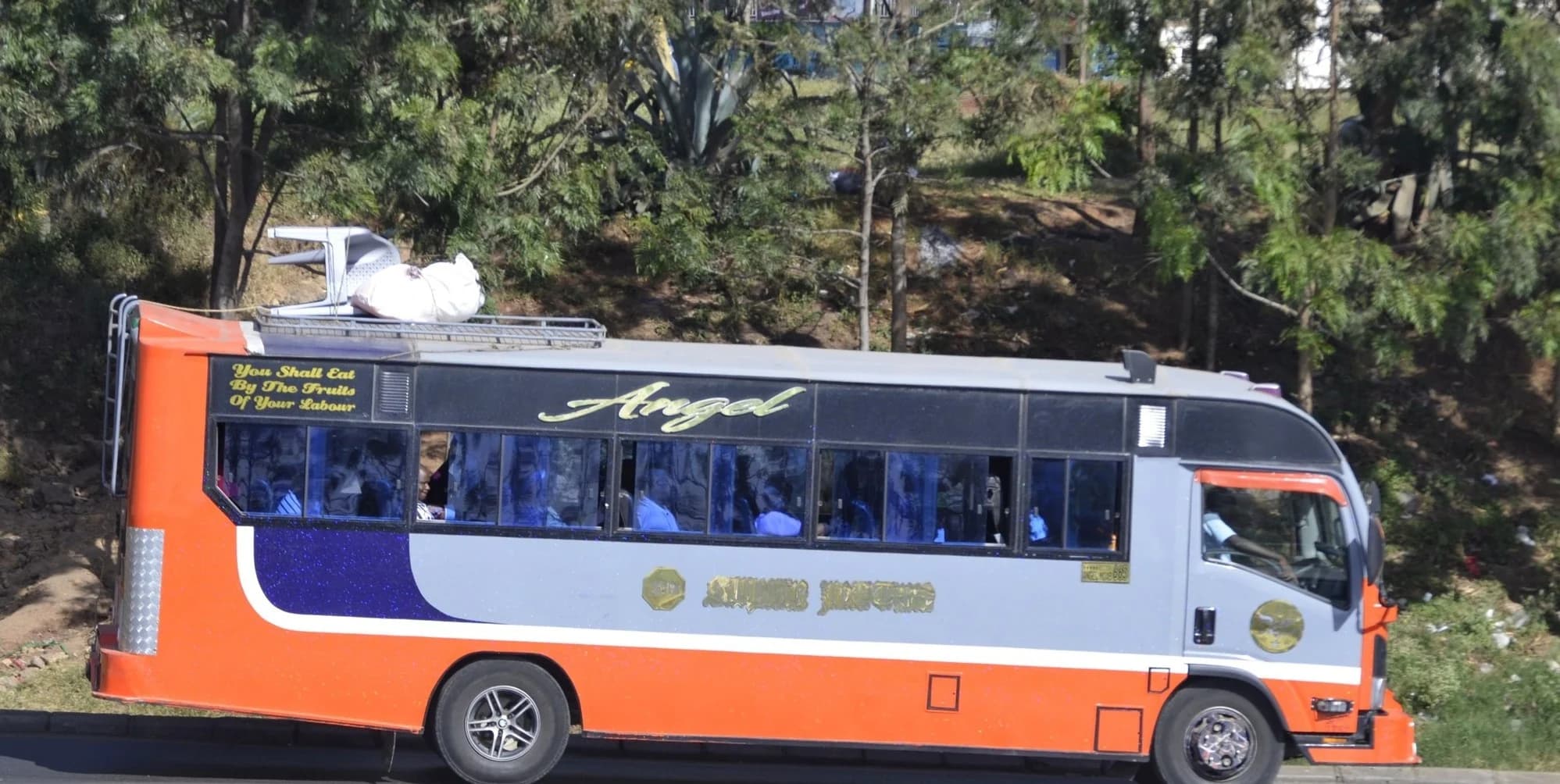
The tragic death of a 25-year-old passenger shoved from a moving bus along the Nairobi-Namanga highway has reignited outrage over the impunity and systemic regulatory failures of Kenya’s public transport sector.
Kenya’s public transport network is a vital economic artery, yet it operates as a lawless frontier. On a fateful Tuesday night in February 2026, this lawlessness claimed another life.
Joseph Mureithi, a petrol station attendant, was fatally injured after an altercation with a matatu crew. The incident underscores the deadly consequences of an unregulated transit economy.
Mureithi had just finished his shift and boarded a Super Metro bus near Shalom Hospital in Athi River. Moments later, his life was extinguished. According to harrowing eyewitness accounts and devastated family members, Mureithi engaged in a brief argument with the bus conductor over seating capacity. As the vehicle pulled away, the 25-year-old was allegedly pushed out of the moving matatu, landing on his head. Horrifically, the same vehicle allegedly ran over him before speeding off toward Mlolongo.
The sheer brutality of the act triggered an immediate civilian response. Boda boda riders, alongside a nearby police patrol, gave chase, intercepting the bus miles away. The driver and conductor were promptly arrested and are currently detained at the Athi River Police Station. Super Metro management has issued a statement promising full cooperation with authorities, but for the Mureithi family, corporate apologies cannot replace a lost son.
This incident is not a tragic anomaly; it is a symptom of a deeply entrenched culture of impunity within the matatu sector. Despite numerous crackdowns by the National Transport and Safety Authority (NTSA), rogue crews continue to operate with brazen disregard for human life. Passengers are routinely subjected to verbal abuse, extortion, and physical violence by unregulated touts who operate outside the bounds of formal employment contracts.
The tragedy in Athi River coincides with another horrific transport disaster in Gatundu, Kiambu County, where a matatu ferrying mourners plunged into River Nyakibaai due to mechanical failure, leaving one dead and several critically injured. Together, these events paint a grim picture of a sector in terminal decline.
The Kenyan government must transition from reactive policing to proactive sector reform. The corporatisation of matatu SACCOs was intended to bring order, yet incidents involving reputable fleets like Super Metro indicate that internal disciplinary mechanisms are failing.
Legal experts and civil rights groups are now calling for homicide charges to be levelled against rogue crews, rather than standard traffic infractions. Until the legal consequences outweigh the profits of impunity, passengers remain at the mercy of chaotic transport syndicates.
"We appeal to more witnesses to come forward with any information that could shed light on the circumstances surrounding his death," local detectives urged, as the pursuit of justice for Joseph Mureithi begins.
Keep the conversation in one place—threads here stay linked to the story and in the forums.
Sign in to start a discussion
Start a conversation about this story and keep it linked here.
Other hot threads
E-sports and Gaming Community in Kenya
Active 9 months ago
The Role of Technology in Modern Agriculture (AgriTech)
Active 9 months ago
Popular Recreational Activities Across Counties
Active 9 months ago
Investing in Youth Sports Development Programs
Active 9 months ago