We're loading the full news article for you. This includes the article content, images, author information, and related articles.
A head-on crash between rival operators has halted travel to the Inca citadel, sparking safety concerns for global travelers navigating the remote Andean terrain.
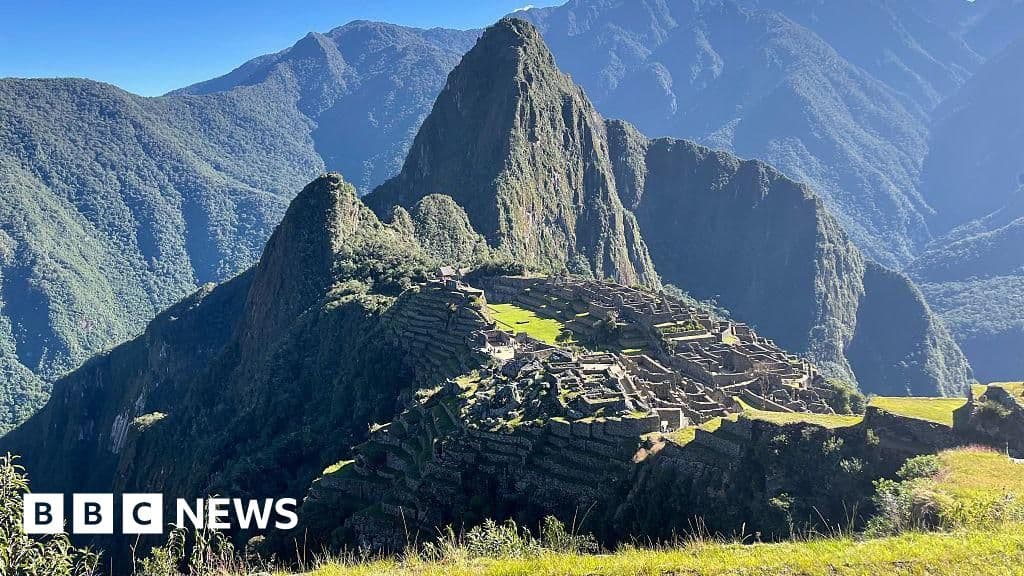
A dream pilgrimage to the ancient Inca citadel of Machu Picchu turned tragic Tuesday when two trains collided head-on, killing one driver and leaving at least 40 passengers injured in the remote Peruvian Andes.
The collision on the solitary rail line linking Ollantaytambo to Aguas Calientes has paralyzed access to South America’s premier tourist attraction. The incident raises urgent safety questions for international travelers—including Kenyans venturing abroad—who rely on critical infrastructure in challenging, mountainous terrains.
The crash occurred on a single-track section of the railway, a lifeline that ferries thousands of tourists daily through the Sacred Valley. According to a statement from the local government, the impact involved locomotives operated by the two main competitors in the region: PeruRail and Inca Rail.
Emergency response was swift but complicated by the geography. Authorities confirmed that 20 ambulances were dispatched to the scene to transfer the wounded to medical facilities in the nearby city of Cusco. However, the evacuation process has been far from seamless.
Local media outlet Peru21 reports that the rugged topography surrounding the crash site has "hampered" rescue efforts, leaving hundreds of uninjured tourists stranded at the scene, awaiting transport.
The US embassy in Peru has confirmed that American citizens are among the injured, though police have yet to release a full manifest of the identities involved. For Kenyan globetrotters, the incident serves as a grim reminder of the unpredictability of travel in remote zones.
A health official told the Reuters news agency that at least 20 of the survivors remain in serious condition. As investigations begin into how two trains ended up on the same track moving in opposite directions, the focus remains on stabilizing the injured and clearing the bottlenecked route.
"We are prioritizing the evacuation of the most critical patients to Cusco," a local official noted, signaling a long recovery ahead for the victims and the region's tourism operations.
Keep the conversation in one place—threads here stay linked to the story and in the forums.
Sign in to start a discussion
Start a conversation about this story and keep it linked here.
Other hot threads
E-sports and Gaming Community in Kenya
Active 9 months ago
The Role of Technology in Modern Agriculture (AgriTech)
Active 9 months ago
Popular Recreational Activities Across Counties
Active 9 months ago
Investing in Youth Sports Development Programs
Active 9 months ago