We're loading the full news article for you. This includes the article content, images, author information, and related articles.
The Directorate of Criminal Investigations has released preliminary findings into the brutal murder of a boda boda rider during a political rally in Mbale, highlighting the volatile, deadly intersection of political mobilization and unchecked mob justice in Kenya.
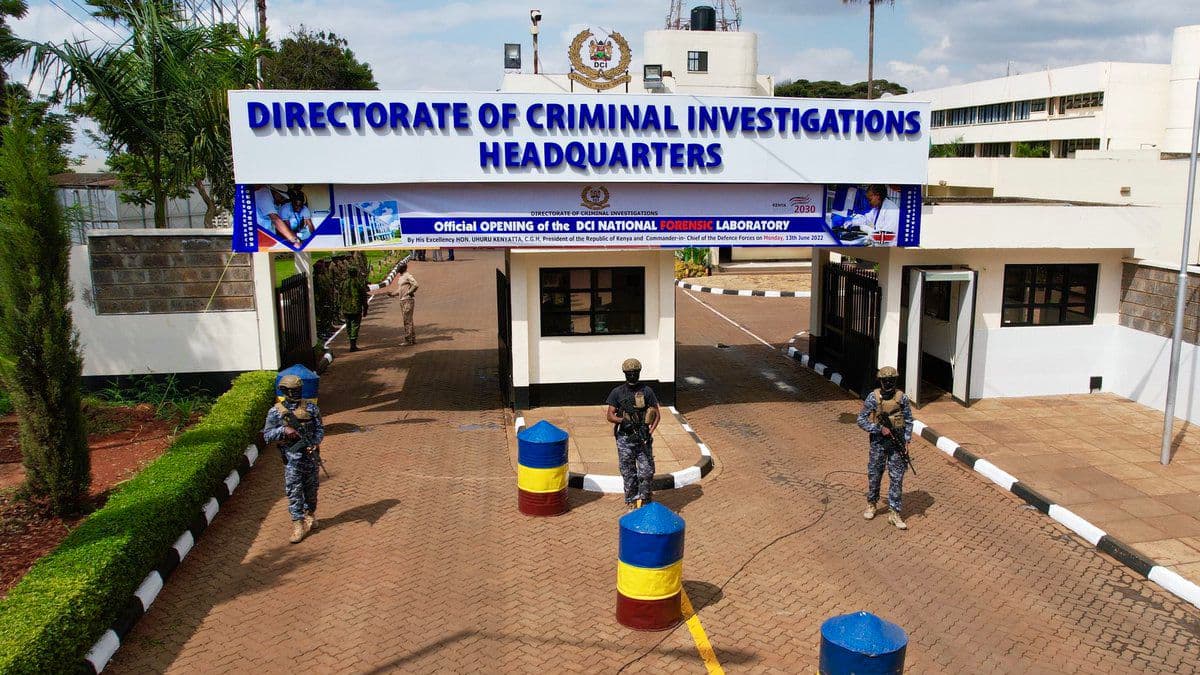
The Directorate of Criminal Investigations has released preliminary findings into the brutal murder of a boda boda rider during a political rally in Mbale, highlighting the volatile, deadly intersection of political mobilization and unchecked mob justice in Kenya.
George Otobe, popularly known as Omundu, succumbed to horrific, multiple head injuries following a violent altercation at the Linda Mwananchi rally in Vihiga County. The event was led by Nairobi Senator Edwin Sifuna.
This shocking public execution serves as a grim indictment of the deteriorating state of public order during political gatherings. It exposes the deep-seated anger and lawlessness that frequently erupt when high-stakes political rhetoric meets agitated, economically disenfranchised crowds, demanding urgent police intervention.
According to the comprehensive statement issued by the DCI, the fatal sequence of events commenced around midday following a heated, localized dispute. Preliminary investigations established that Otobe, a resident of neighboring Kisumu County, allegedly stabbed another attendee, Hussein Hassan, in the head with a sharp object.
The sudden act of violence acted as a horrific catalyst. Outraged bystanders and political supporters instantaneously retaliated, transforming into a violent, bloodthirsty mob. Otobe was heavily overpowered, viciously beaten, and subjected to fatal trauma before law enforcement could successfully intervene and secure the chaotic perimeter. Investigators later recovered a bloodied knife at the scene, believed to be the initial weapon used by the deceased.
Otobe's battered body was initially transported to the Vihiga County Referral Hospital. A subsequent postmortem examination definitively concluded that the cause of death was massive, severe head injuries entirely consistent with sustained mob violence. The remains were later transferred to the Jaramogi Oginga Odinga Teaching and Referral Hospital mortuary in Kisumu for preservation.
The tragedy in Mbale has reignited a fierce national debate regarding the parameters of political demonstrations and the state's capacity to guarantee public safety. The DCI was quick to emphasize that while the Kenyan Constitution robustly protects the right to assembly, this right is not absolute.
The infiltration of armed elements into political rallies is a disturbing, escalating trend. It frequently transforms constitutionally protected gatherings into deadly flashpoints. Security agencies are increasingly challenged to balance the facilitation of democratic expression with the absolute necessity of neutralizing immediate, lethal threats within densely packed crowds.
Otobe's gruesome death also brutally highlights the pervasive, cancerous culture of mob justice in Kenya. The phenomenon, often fueled by a profound lack of faith in the formal judicial system, sees citizens bypassing legal due process to exact immediate, brutal retribution. The boda boda sector, in particular, is frequently both a perpetrator and a victim of this vigilante mindset.
Sociologists argue that mob violence is symptomatic of a deeply traumatized society. High unemployment rates, systemic corruption, and a perceived breakdown in law enforcement create a volatile psychological environment where minor altercations rapidly escalate into fatal, communal violence.
To combat this, the National Police Service must drastically enhance its crowd control capabilities, deploying specialized, rapid-response anti-riot units to political hotspots. Furthermore, the swift arrest and uncompromising prosecution of individuals involved in mob lynchings is essential to dismantle the dangerous illusion of vigilante impunity.
The political class cannot completely divorce itself from the violence that occurs at their sanctioned events. Leaders who utilize highly emotive, incendiary language to mobilize supporters must recognize their role in creating an environment highly conducive to violence. They must actively preach tolerance and heavily condemn criminal behavior among their ranks.
As the nation moves deeper into an intensely charged political season, the tragedy in Vihiga must serve as a critical, sobering warning. If the rule of law is continually sacrificed at the altar of political expediency, the resulting anarchy will consume the very fabric of the nation.
"No political cause is ever worth the shedding of human blood; the constitutional right to assemble must never be distorted into a license to murder," stated a stern directive from the Directorate of Criminal Investigations headquarters.
Keep the conversation in one place—threads here stay linked to the story and in the forums.
Sign in to start a discussion
Start a conversation about this story and keep it linked here.
Other hot threads
E-sports and Gaming Community in Kenya
Active 9 months ago
The Role of Technology in Modern Agriculture (AgriTech)
Active 9 months ago
Popular Recreational Activities Across Counties
Active 9 months ago
Investing in Youth Sports Development Programs
Active 9 months ago
Key figures and persons of interest featured in this article