We're loading the full news article for you. This includes the article content, images, author information, and related articles.
Zanzibar faces a severe energy crisis with a 30MW supply deficit causing daily blackouts, prompting a desperate push for solar solutions as residents and businesses struggle to cope.
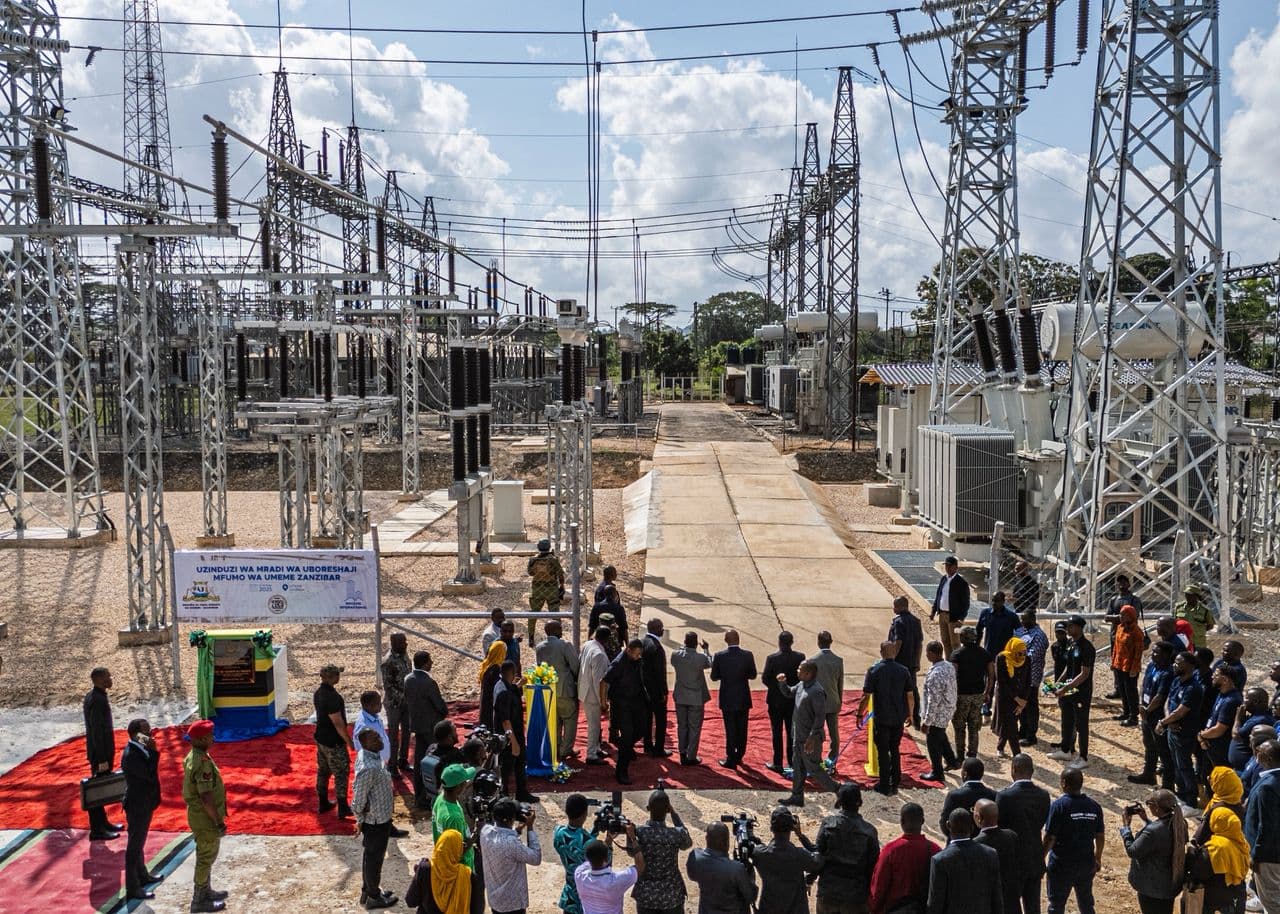
Beneath the postcard-perfect veneer of Zanzibar’s turquoise waters and white sands, a darker reality is gripping the island. For months, the residents of Unguja have been plunged into a rhythm of darkness, grappling with a debilitating energy crisis that threatens to derail the island’s economic engine and shatter the tranquility of daily life.
The persistent blackouts are not merely an inconvenience; they are a systemic failure that exposes the widening chasm between Zanzibar’s rapid development and its lagging infrastructure. As hotels run diesel generators into the ground and students study by candlelight, the frustration on the streets is palpable, turning energy security into the single most explosive political issue on the archipelago.
In Kiembesamaki, the struggle is visceral. Ms. Maulid Omar Ali, a mother fighting to keep her household running, speaks for thousands when she describes the paralysis that sets in when the grid fails. "Everything stops," she says. The outage is a thief, stealing productivity, safety, and the simple comfort of a cooked meal.
The impact on the education sector is particularly heart-wrenching. Students like Burhan Khamis Pandu are facing national exams with a handicap, their revision hours dictated by the fickle flow of current. "Using candles is risky," he laments, highlighting a safety hazard that has already led to tragedies in similar informal settlements across the region.
The Revolutionary Government of Zanzibar is in a race against its own growth. The booming tourism sector and the influx of investment have outpaced the capacity of the undersea cable from Tanzania Mainland. The authorities are now scrambling to diversify the energy mix, reducing reliance on the single umbilical cord that connects them to the national grid.
But infrastructure projects take time—a luxury the people of Unguja do not have. The disconnect between the government’s long-term vision and the immediate suffering of the populace is growing. Every blackout is a reminder of the fragility of progress.
As Zanzibar looks to the future, the question remains: can the island achieve energy sovereignty before the lights go out on its economic dreams? For now, the hum of generators remains the soundtrack of the night, a noisy testament to a system under siege.
Keep the conversation in one place—threads here stay linked to the story and in the forums.
Sign in to start a discussion
Start a conversation about this story and keep it linked here.
Other hot threads
E-sports and Gaming Community in Kenya
Active 9 months ago
The Role of Technology in Modern Agriculture (AgriTech)
Active 9 months ago
Popular Recreational Activities Across Counties
Active 9 months ago
Investing in Youth Sports Development Programs
Active 9 months ago