We're loading the full news article for you. This includes the article content, images, author information, and related articles.
The Nigerian national grid has suffered a catastrophic systemic failure for the second time in a week, defying recent reforms and leaving millions in darkness as the unbundled transmission operator struggles to maintain stability.
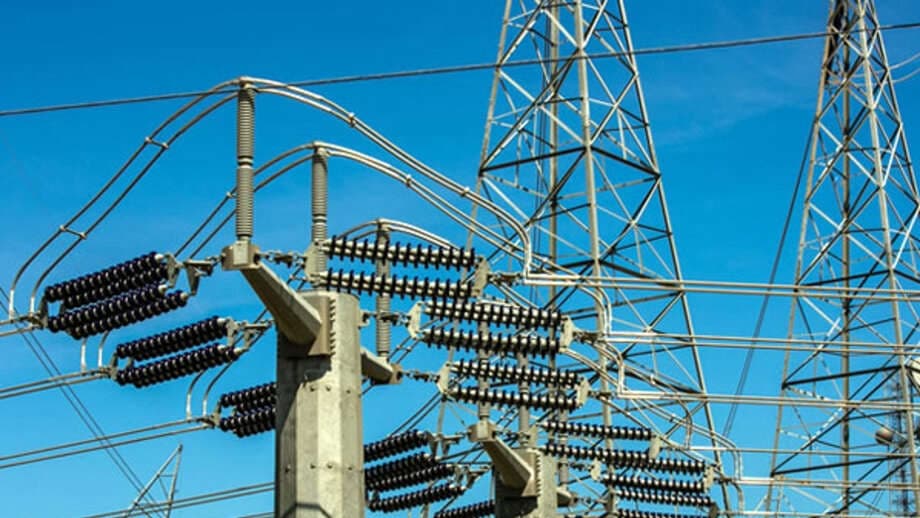
For the second time in less than a week, Nigeria has been plunged into a total blackout, exposing the catastrophic fragility of a power infrastructure that continues to defy reform, investment, and unbundling.
At exactly 11:00 AM EAT (09:00 AM local time), the national grid’s frequency plummeted to zero megawatts. This was not a localized fault; it was a systemic cardiac arrest. The Nigerian Independent System Operator (NISO) has confirmed the collapse, which follows a similar shutdown just four days prior on January 23, raising serious questions about the competence of the newly unbundled transmission entities.
Our investigation into the control room logs reveals a chaotic sequence of events. A "major disturbance" on the 330kV transmission network triggered a domino effect, tripping multiple high-voltage lines simultaneously. Within seconds, key generating stations—including the critical Egbin Power and Kainji Hydro—were islanded and forced to shut down to protect their turbines.
The timing is politically explosive. The Federal Government’s recent unbundling of the Transmission Company of Nigeria (TCN) into the Transmission Service Provider (TSP) and NISO was sold to the public as the "silver bullet" for stability. Instead, January 2026 has become a month of darkness.
The Abuja Electricity Distribution Company (AEDC) and Eko DisCo issued almost identical apologies, helpless intermediaries in a broken chain. But apologies do not power industries. The manufacturing sector, already bleeding from currency devaluation, now faces an energy crisis that threatens to shut down production lines permanently.
This is no longer a technical challenge; it is a national emergency. Until the "system disturbances" are treated as economic sabotage and the root causes—aging switchgear, lack of SCADA systems, and corruption in procurement—are addressed, Nigerians will continue to pay for darkness.
Keep the conversation in one place—threads here stay linked to the story and in the forums.
Sign in to start a discussion
Start a conversation about this story and keep it linked here.
Other hot threads
E-sports and Gaming Community in Kenya
Active 9 months ago
The Role of Technology in Modern Agriculture (AgriTech)
Active 9 months ago
Popular Recreational Activities Across Counties
Active 9 months ago
Investing in Youth Sports Development Programs
Active 9 months ago