We're loading the full news article for you. This includes the article content, images, author information, and related articles.
The Cuban government announced its border guards shot and killed four heavily armed exiles aboard a US-registered speedboat, dramatically escalating tensions between Havana and Washington.
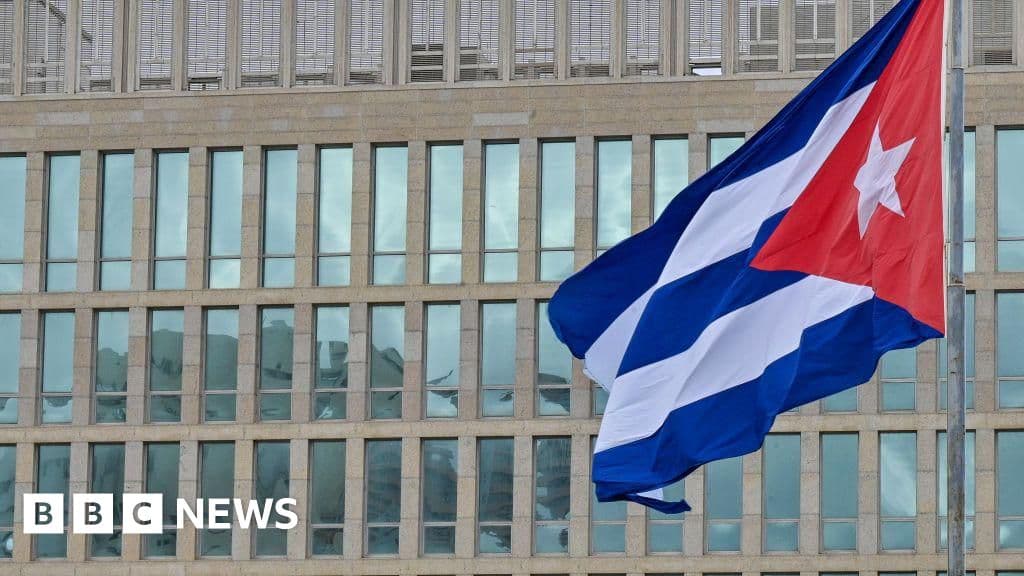
The Cuban government announced its border guards shot and killed four heavily armed exiles aboard a US-registered speedboat, dramatically escalating tensions between Havana and Washington.
In a deadly maritime confrontation off the northern coast of Cuba, heavily armed anti-government infiltrators clashed violently with a state coast guard patrol.
The lethal shootout, resulting in four deaths and six injuries, threatens to ignite a severe diplomatic crisis. Occurring against a backdrop of crippling economic sanctions and historical animosity, this incident resurrects the specter of Cold War-era skirmishes and highlights the volatile security situation in the Florida Straits.
According to official statements from Cuba's interior ministry, the chaotic encounter unfolded near Cayo Falcones in the central Villa Clara province. A Florida-registered vessel, identified by the registration number FL7726SH, was intercepted by a Cuban boat carrying five border guards. As the authorities approached for standard identification, the situation instantly devolved into a violent firefight.
The Cuban government alleges that the crew of the violating speedboat initiated hostilities, opening fire and wounding the Cuban commander. In the ensuing clash, state forces neutralized the threat, killing four passengers and wounding the remaining six. Havana swiftly categorized the ten individuals—all Cuban nationals residing in the United States—as an armed group intending to carry out "an infiltration for terrorist purposes."
The aftermath of the shootout revealed a chilling cache of weaponry, underscoring the premeditated nature of the incursion. Cuban authorities reported recovering an extensive arsenal from the intercepted vessel, suggesting a highly organized plot to destabilize the communist regime.
Furthermore, Havana claimed to have arrested an eleventh individual on Cuban soil, Duniel Hernandez Santos, who allegedly travelled from the US to receive the infiltrators. The government stressed that several of the detainees, including Amijail Sanchez Gonzalez, were previously wanted in Cuba on suspicion of planning terrorist acts.
The incident has triggered immediate alarms in Washington. US Secretary of State Marco Rubio characterized the shootout as "highly unusual" and confirmed that various elements of the US government are aggressively gathering independent intelligence. The US remains skeptical of Havana's unilateral narrative, emphasizing the need to verify the identities and precise motives of the deceased.
This bloody encounter occurs at a critical juncture. Cuba is grappling with a severe economic and fuel crisis, exacerbated by long-standing US embargoes. The history of the Florida Straits is littered with violent intercepts and tragic migration disasters, but a direct, heavily armed assault represents a terrifying escalation.
"In the face of these aggressive provocations, Cuba reaffirms its unyielding determination to protect its territorial waters and crush any threat to its sovereignty," declared a stern broadcast on Cuban state television, signaling a hardened stance against external intervention.
Keep the conversation in one place—threads here stay linked to the story and in the forums.
Sign in to start a discussion
Start a conversation about this story and keep it linked here.
Other hot threads
E-sports and Gaming Community in Kenya
Active 9 months ago
The Role of Technology in Modern Agriculture (AgriTech)
Active 9 months ago
Popular Recreational Activities Across Counties
Active 9 months ago
Investing in Youth Sports Development Programs
Active 9 months ago