We're loading the full news article for you. This includes the article content, images, author information, and related articles.
A military takeover in the West African nation has halted an election and sparked accusations of a staged power grab by the deposed president himself, raising questions for regional stability and Kenya's diplomatic inroads
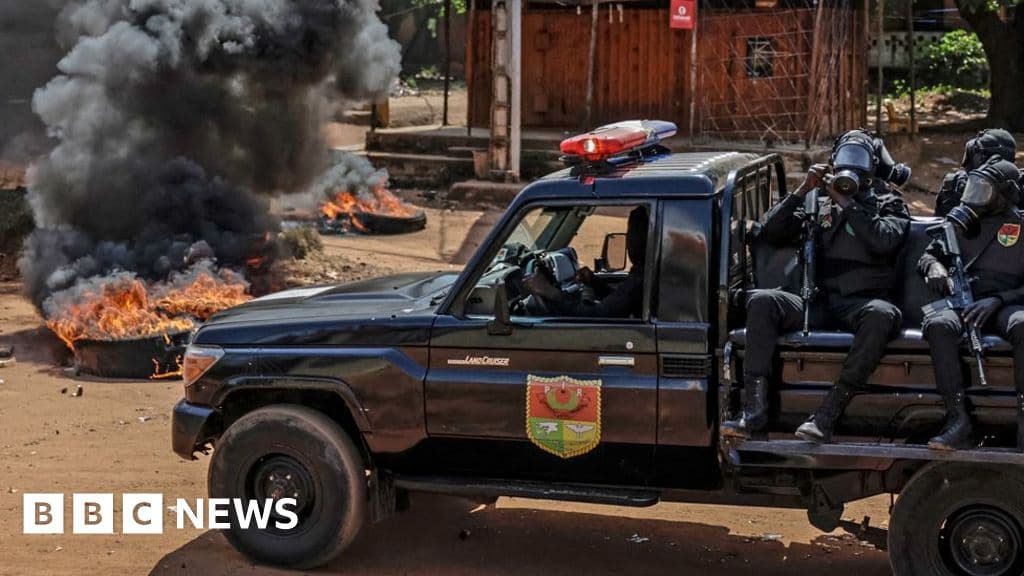
A military junta has seized control of Guinea-Bissau, arresting the president and suspending the constitution just days after a national election. But as soldiers patrol the capital, Bissau, a chorus of influential African voices, including senior regional leaders, is questioning whether this is a genuine coup or a brazen political 'sham' designed to keep the incumbent in power.
The takeover on November 26, 2025, derailed the announcement of results from the presidential election held three days prior. For Kenyans, the turmoil in this small coastal nation, often dismissed as a distant problem, hits closer to home. It threatens to destabilize a region where Kenya has been actively forging new partnerships, potentially upending diplomatic and economic groundwork laid by President William Ruto's administration earlier this year.
The crisis erupted as both incumbent President Umaro Sissoco Embaló and his main challenger, Fernando Dias da Costa, claimed victory before official results were released. Gunfire was reported near the presidential palace and the electoral commission, before military officers announced on state television they had taken "total control" to thwart a plot by politicians and a "well-known drug baron" to manipulate the election.
The military established a junta named the 'High Military Command for the Restoration of National Security and Public Order,' led by General Horta Inta-A Na Man, who was previously the army's chief of staff and considered a close ally of the now-deposed president. Embaló, after being arrested, was unusually able to announce his own ouster to international media before being released and flying to the Republic of Congo.
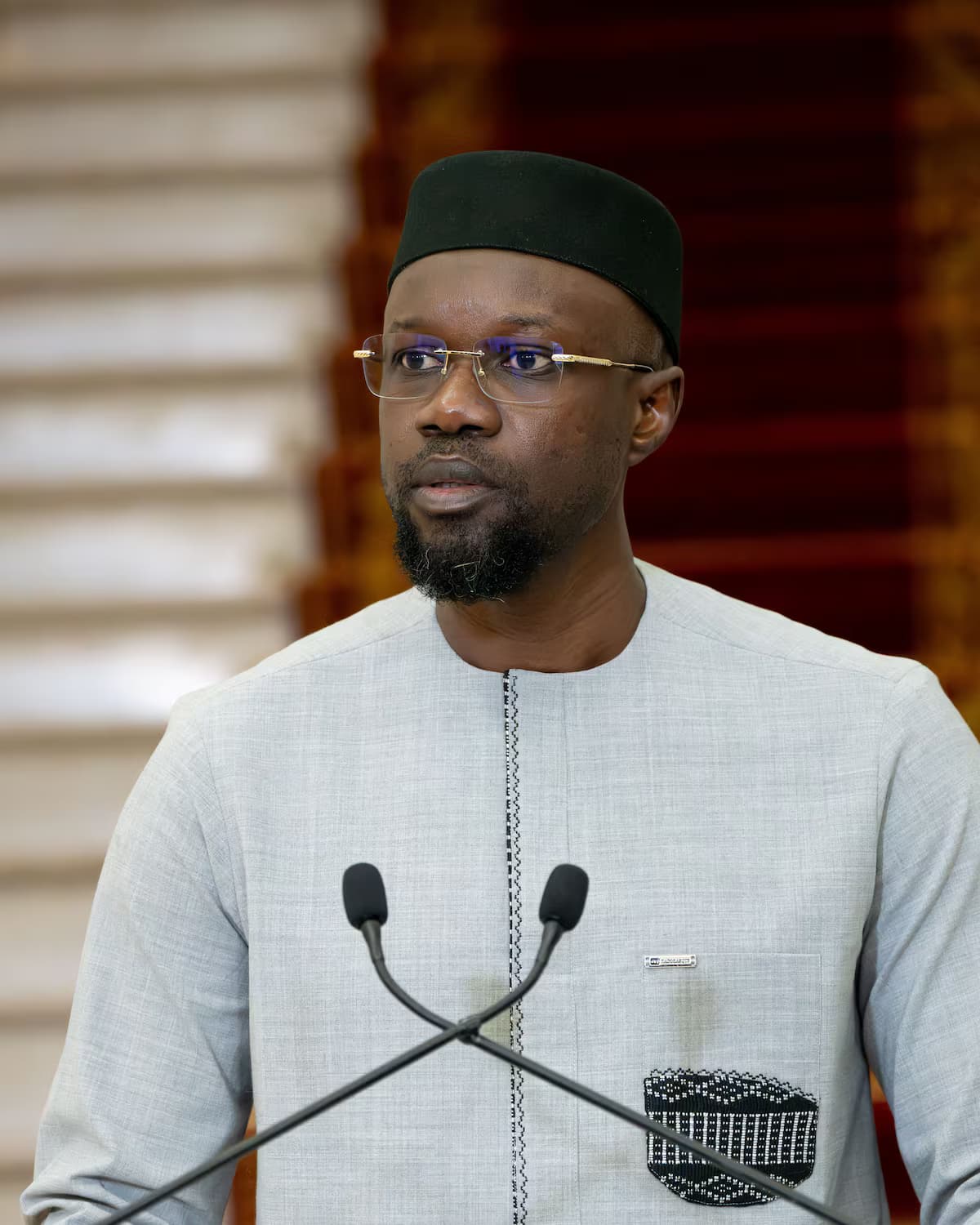
The bizarre circumstances have fueled widespread skepticism. Senegalese Prime Minister Ousmane Sonko bluntly called the events a "sham," while former Nigerian President Goodluck Jonathan, who was an election observer, labelled it a "ceremonial coup." Jonathan questioned why a deposed leader would be the first to announce his own overthrow and be allowed to leave the country, a stark contrast to other recent coups in the region.
Critics allege Embaló may have orchestrated the takeover to avoid an electoral defeat and invalidate the results. This suspicion is compounded by Guinea-Bissau's troubled history; the nation has endured at least nine coups or attempted coups since 1974 and has gained the notorious reputation of being a "narco-state" due to its role as a major transit hub for cocaine trafficked from Latin America to Europe.
The instability in Guinea-Bissau is a direct challenge to the authority of regional and continental bodies. The Economic Community of West African States (ECOWAS) and the African Union (AU) both swiftly condemned the takeover and suspended Guinea-Bissau's membership, demanding a return to constitutional order.
For Nairobi, the coup disrupts a budding relationship. In January 2025, President Ruto hosted President Embaló in Nairobi, where the two leaders pledged to deepen diplomatic and trade ties. Key discussions included:
This military intervention places these agreements and the broader push for continental stability in jeopardy. It underscores the fragility of democratic gains in a region now widely referred to as the "coup belt," a reality that complicates Kenya's economic and diplomatic ambitions across the continent.
While the junta has promised a one-year transition back to civilian rule, many remain wary. The international community, including the United Nations, has called for the unconditional release of all detained political and electoral officials, but the path forward for the nation of two million remains deeply uncertain.
Keep the conversation in one place—threads here stay linked to the story and in the forums.
Sign in to start a discussion
Start a conversation about this story and keep it linked here.
Other hot threads
E-sports and Gaming Community in Kenya
Active 9 months ago
The Role of Technology in Modern Agriculture (AgriTech)
Active 9 months ago
Popular Recreational Activities Across Counties
Active 9 months ago
Investing in Youth Sports Development Programs
Active 9 months ago
Key figures and persons of interest featured in this article