We're loading the full news article for you. This includes the article content, images, author information, and related articles.
A consortium of China Road and Bridge Corporation and Kenya's NSSF is projected to make KSh 339.8 billion in operating profit over a 30-year concession to manage the critical transport artery, raising questions about the long-term cost to Kenyan motorists.
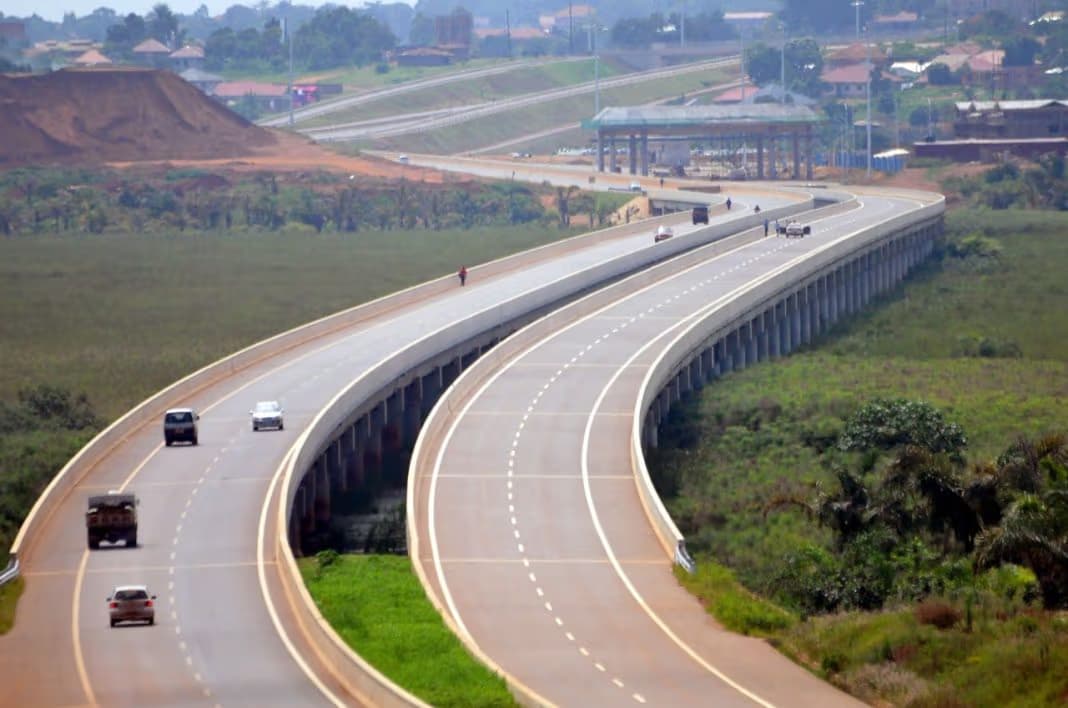
NAIROBI, KENYA – The consortium selected to upgrade and operate the Nairobi-Mau Summit highway is projected to earn an operating profit of approximately KSh 339.8 billion ($2.63 billion) over its 30-year concession period. This financial arrangement is based on a Public-Private Partnership (PPP) model that will see motorists pay toll fees to use the expanded and improved roadway.
According to a project summary released by the Kenya National Highways Authority (KeNHA), the consortium, which comprises the China Road and Bridge Corporation (CRBC) and the National Social Security Fund (NSSF), anticipates total revenues of KSh 630.3 billion ($4.88 billion) against total costs of KSh 290.5 billion ($2.25 billion). This will result in an annual surplus of about KSh 11.3 billion before financing and taxes.
The project covers the 175-kilometre Nairobi-Nakuru-Mau Summit (A8) section and the 56-kilometre Nairobi-Mai Mahiu-Naivasha (A8 South) link, a total of 233 kilometers. The investment includes KSh 193.4 billion ($1.49 billion) in capital expenditure and KSh 97.6 billion ($753.8 million) for operations, maintenance, and rehabilitation over the life of the concession.
The financing for this major infrastructure project is structured with 75% debt and 25% equity. The NSSF has committed between KSh 20 billion and KSh 25 billion to acquire a significant stake in the consortium, marking a major investment by a local pension fund into national infrastructure. This move is part of NSSF's strategy to diversify its portfolio and seek higher returns for pensioners.
Motorists using the upgraded highway will be charged a base toll of KSh 8 per kilometre for passenger cars, with this rate set to escalate by one percent annually. Heavier commercial vehicles will face higher tariffs. The CRBC-NSSF consortium was selected as the preferred bidder over a rival offer from Shandong Hi-Speed Road & Bridge International, which had proposed a higher toll of KSh 10 per kilometre with a three percent annual increase. The project will feature an open tolling system with eight toll stations.
The Kenyan government has emphasized that the highway will remain a state-owned asset throughout the concession period. In a statement on Sunday, October 26, 2025, the Directorate of Public Private Partnerships clarified that the PPP arrangement is a financing mechanism, not a privatization of a national asset. The government, through KeNHA and the National Treasury, will retain full regulatory control and can intervene if the private operator fails to meet performance standards outlined in the agreement.
Officials have stated that the PPP model was necessary due to Kenya's constrained fiscal environment and high public debt, which limit the government's ability to fund large-scale infrastructure projects through traditional borrowing. The road sector alone requires an estimated KSh 4 trillion over the next decade.
The project is structured under a Design-Build-Finance-Operate-Maintain-Transfer (DBFOMT) model. The concession will last 30 years, including a two-year construction period, after which the highway will be handed back to the state. Construction is expected to begin before January 2026 and be completed by 2028.
The Nairobi-Mau Summit highway is a vital part of the Northern Corridor, a strategic trade route that connects Kenya to landlocked countries in East and Central Africa, including Uganda, Rwanda, and South Sudan. The route handles nearly 40% of Kenya's trade traffic. The upgrade is expected to significantly reduce travel times, lower vehicle operating costs, and enhance road safety along one of the region's busiest and most dangerous highways.
The project involves expanding the road to a four and six-lane dual carriageway in different sections, constructing a viaduct through Nakuru town to separate local and through traffic, and adding climbing lanes, service roads, and modern safety features. The government has assured the public that a toll-free alternative route will remain available for motorists who choose not to use the expressway. Final details of the concession agreement, including toll rates and revenue-sharing structures, will be made public and subjected to parliamentary oversight once negotiations are concluded, in line with the PPP Act of 2021.
Keep the conversation in one place—threads here stay linked to the story and in the forums.
Sign in to start a discussion
Start a conversation about this story and keep it linked here.
Other hot threads
E-sports and Gaming Community in Kenya
Active 9 months ago
The Role of Technology in Modern Agriculture (AgriTech)
Active 9 months ago
Popular Recreational Activities Across Counties
Active 9 months ago
Investing in Youth Sports Development Programs
Active 9 months ago