We're loading the full news article for you. This includes the article content, images, author information, and related articles.
Ministers from the 56-nation bloc have issued a rare, stinging rebuke of Dodoma following the disputed October polls, warning that the country’s slide into autocracy threatens the stability of the entire East African Community.

Tanzania — The diplomatic gloves are off. In a move that shatters the usual quiet camaraderie of the East African neighborhood, the Commonwealth Ministerial Action Group (CMAG) has formally placed Tanzania on its watch list, citing “grave and persistent” violations of democratic principles following the bloody aftermath of the October 29 general election.
For the average Kenyan watching our southern neighbor, this is not just diplomatic noise. It is a siren warning of instability in our second-largest export market—a crisis that could choke the Namanga border, disrupt the flow of goods, and send a fresh wave of asylum seekers knocking on our doors.
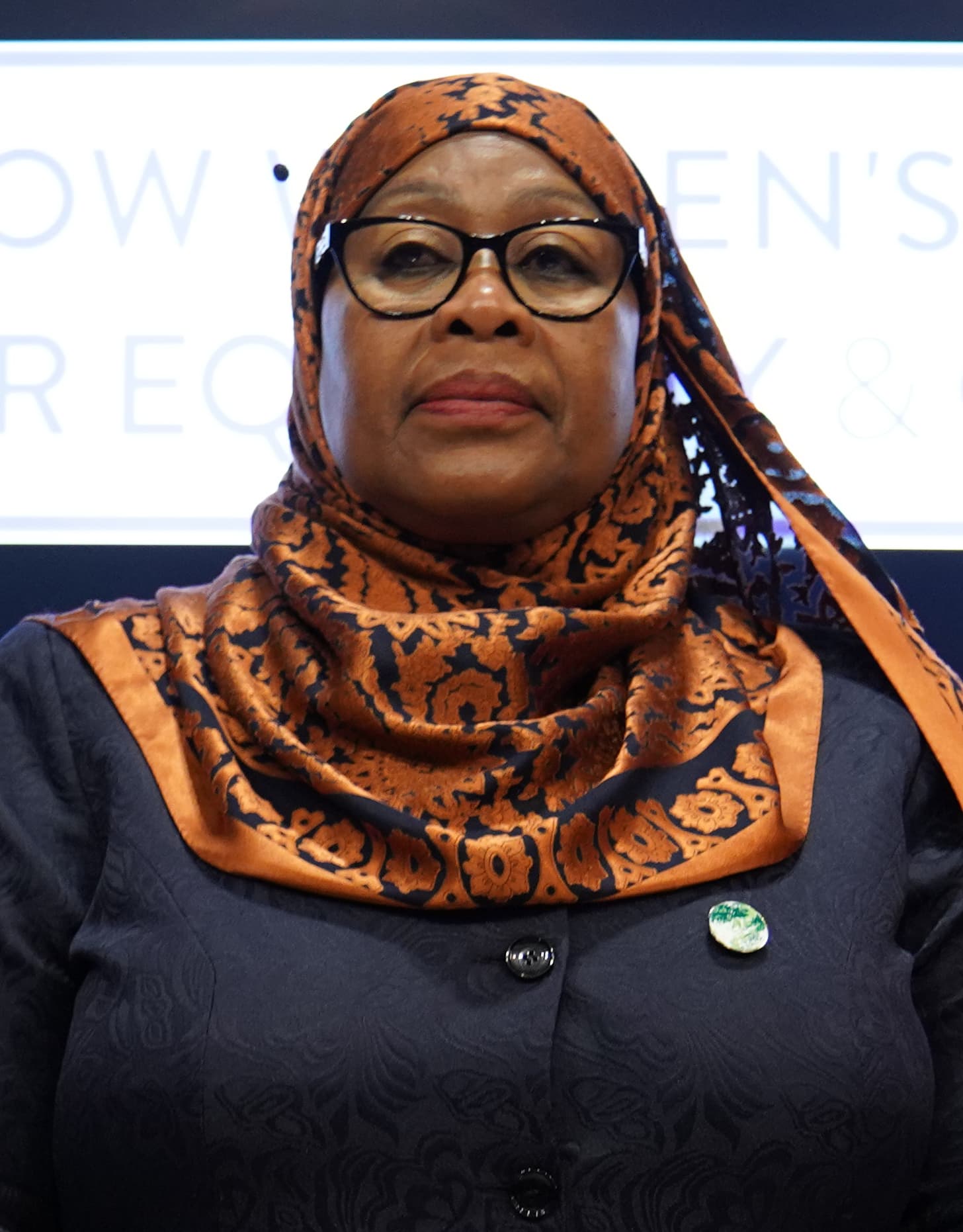
The censure comes barely five weeks after President Samia Suluhu Hassan was declared the winner with a staggering—and hotly disputed—97.6% of the vote. The Commonwealth’s statement, released late Friday, did not mince words. It expressed “deep alarm” over the systematic barring of opposition parties, the detention of Chadema leaders, and the violent suppression of the maandamano (protests) that have rocked Dar es Salaam and Arusha.
“The credibility of the Commonwealth relies on its members adhering to the Charter,” the statement read. “The events in Tanzania since October represent a significant departure from these shared values.”
Sources close to the secretariat indicate that Tanzania is now one step away from formal suspension—a penalty previously dealt to nations like Zimbabwe and Pakistan. For President Samia, once lauded as a reformer who would heal the wounds of the Magufuli era, this is a stunning reversal of fortune on the global stage.
To understand the severity of this rebuke, one must look at the numbers. The official results claim a near-total mandate for the ruling Chama Cha Mapinduzi (CCM). Yet, independent observers and local rights groups paint a picture of a “coronation” rather than a contest.
“We are seeing a level of repression that makes the previous administration look mild,” noted Dr. Hawa Noor, a governance analyst based in Nairobi. “The Commonwealth rarely acts this quickly. That they have spoken out now suggests the evidence of state-sponsored violence is undeniable.”
Why should a shopkeeper in Gikomba or a transporter in Busia care? Because instability in Tanzania is a direct tax on the Kenyan economy. Tanzania is a critical trade partner; in 2024 alone, Kenyan exports south of the border were valued at over $600 million (approx. KES 78 billion).
If sanctions follow, or if the civil unrest deepens, the economic blowback will be immediate. “If the border closes or slows down due to security checks, the price of onions, rice, and maize in Nairobi markets will jump within days,” warned James Mwangi, a logistics coordinator at the Namanga One Stop Border Post.
Furthermore, the humanitarian implication is real. The UNHCR has already reported a “noticeable uptick” in arrivals at the Lunga Lunga border point, as families flee the crackdown in Tanga and Kilimanjaro regions.
The government in Dodoma has dismissed the Commonwealth’s concerns as “neocolonial interference.” Government spokesperson Mobhare Matinyi, in a televised address, insisted that the election was free and fair and that the security forces were merely “restoring order against foreign-sponsored anarchists.”
“Tanzania will not be lectured on democracy by those who do not understand our context,” Matinyi stated, signaling that President Samia’s administration is prepared to dig in its heels, even at the cost of international isolation.
As activists plan fresh protests for December 9—Independence Day—the region holds its breath. The Commonwealth has drawn a line in the sand, but it remains to be seen if Dodoma will step back or cross it, dragging the region’s stability with it.
Keep the conversation in one place—threads here stay linked to the story and in the forums.
Sign in to start a discussion
Start a conversation about this story and keep it linked here.
Other hot threads
E-sports and Gaming Community in Kenya
Active 9 months ago
The Role of Technology in Modern Agriculture (AgriTech)
Active 9 months ago
Popular Recreational Activities Across Counties
Active 9 months ago
Investing in Youth Sports Development Programs
Active 9 months ago
Key figures and persons of interest featured in this article