We're loading the full news article for you. This includes the article content, images, author information, and related articles.
An extensive intelligence operation has unmasked 126 organised criminal gangs across Nairobi, igniting a city-wide crackdown as residents live in fear and authorities launch a high-stakes campaign to reclaim the streets.
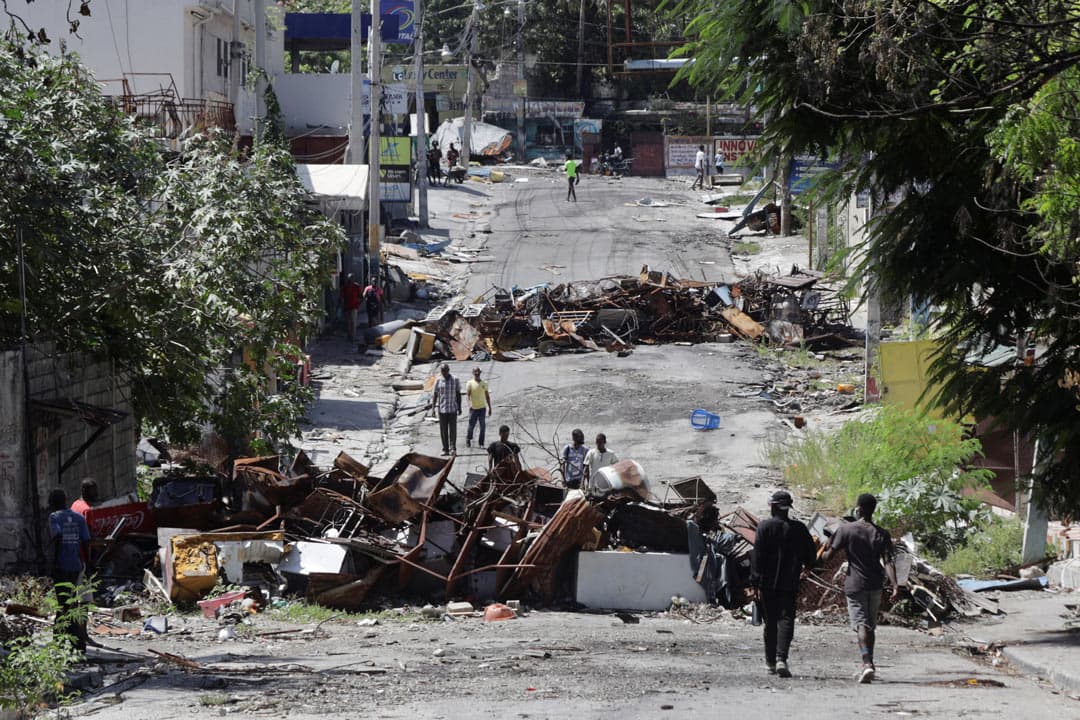
For the thousands of Nairobians navigating the sprawling estates of Kayole, Mathare, and Dandora, the setting sun brings a familiar dread. It’s a daily gamble where the simple act of walking home becomes a test of nerve against the backdrop of an ever-present menace: the street gang.
This pervasive fear is the stark reality behind a chilling new figure from the government: at least 126 distinct criminal gangs are operating in Kenya’s capital. The announcement by Nairobi Regional Commissioner Gilbert Kitiyo confirms what many residents already knew—that organised crime has become deeply embedded in the city's fabric, directly threatening the safety and livelihoods of ordinary Kenyans.
The gangs, with notorious names like Gaza, 42 Brothers, and remnants of Mungiki, are not just opportunistic thugs; they are structured organisations controlling territories, extorting businesses, and perpetuating violence. Their activities range from daylight muggings in the Central Business District to running extortion rackets that bleed matatu operators and small business owners dry. “Humanity isn't in their system; blood is nothing to them,” recalled Samir Oloo, a youth leader in Kayole who survived being stabbed multiple times by gang members he recognised from his own neighbourhood.
In response, the government has launched a 100-day “Rapid Results Initiative” (RRI), a multi-agency security operation that began on October 15. Kitiyo noted that the first phase involved a detailed mapping of the gangs, their leaders, and their operational zones. The operation has now shifted from intelligence gathering to active enforcement, with arrests currently underway. “We have now moved to individuals. Many of them have been arrested, and we continue arresting them even now,” Kitiyo emphasized, pointing to a determined effort to dismantle these networks from the top down.
The RRI isn't just about arrests. Authorities are also targeting the environments where these gangs thrive, including illicit brew dens and informal entertainment spots that serve as recruitment and planning hubs. This strategy acknowledges a deeper problem that fuels the gang crisis: a crisis of opportunity for Nairobi's youth.
The foot soldiers of these gangs are overwhelmingly young, often teenagers and men under 35, trapped in a cycle of poverty and joblessness. A report from the National Crime Research Centre (NCRC) highlights that unemployment, peer pressure, and drug abuse are major drivers pushing youth into crime. For many in Nairobi's informal settlements, the allure of quick money and a sense of belonging offered by gangs is a powerful temptation in the face of limited economic prospects.
This social tinderbox is often exploited. Reports have consistently linked politicians to the funding and mobilisation of these gangs, using them to intimidate rivals and unleash chaos during election periods. A recent analysis by the Global Initiative Against Transnational Organised Crime warned that this political patronage emboldens the gangs, making them feel protected and their activities “risk-free.”
While the government's new offensive brings a glimmer of hope, security analysts and community leaders remain cautious. They argue that police crackdowns alone are a temporary fix. True, lasting change, they insist, requires a fundamental shift that addresses the root causes. “Successfully prosecuting politicians who have recruited gangs of youth to engage in violence” is a critical step, noted one expert from the Centre for Human Rights and Policy Studies.
Ultimately, the battle for Nairobi's streets will not be won by force alone. It requires a parallel, sustained effort to create jobs, reform the education system to equip youth with practical skills, and restore hope to a generation that feels abandoned. Until a young person in Mathare or Kayole sees a more promising future in a workshop than in a street gang, the cycle of violence threatens to continue.
Keep the conversation in one place—threads here stay linked to the story and in the forums.
Sign in to start a discussion
Start a conversation about this story and keep it linked here.
Other hot threads
E-sports and Gaming Community in Kenya
Active 9 months ago
The Role of Technology in Modern Agriculture (AgriTech)
Active 9 months ago
Popular Recreational Activities Across Counties
Active 9 months ago
Investing in Youth Sports Development Programs
Active 9 months ago