We're loading the full news article for you. This includes the article content, images, author information, and related articles.
Cabinet Secretaries from the broad-based government are brazenly engaging in partisan politics ahead of the 2027 elections.

Cabinet Secretaries from the broad-based government, including John Mbadi, Hassan Joho, and Opiyo Wandayi, are brazenly engaging in partisan politics ahead of the 2027 elections.
The political theater in Kenya has a new cast of state actors. Over the weekend, the vibrant orange hues of the Orange Democratic Movement (ODM) were conspicuously draped over the shoulders of men sworn to serve the republic, not a political faction.
This blatant display of partisan loyalty matters now more than ever. As Kenya grapples with a fragile economy and a highly polarized electorate, the sight of top-ranking Cabinet Secretaries engaging in open politicking threatens to erode the remaining public trust in state institutions and sets a dangerous precedent for the upcoming 2027 electoral cycle.
The Constitution of Kenya, promulgated in 2010 with immense public backing, was meticulously designed to insulate the civil service from the volatile whims of political elites. Article 77 explicitly prohibits appointed state officers from holding office in a political party or engaging in partisan politics. The objective was clear: to ensure that the machinery of government serves all Kenyans equitably, regardless of their political affiliations. Yet, the current administration seems to have tacitly endorsed a rewriting of these fundamental rules through everyday practice. The constitutional guardrails that once separated the state from the ruling party are being systematically dismantled in broad daylight across the entire country.
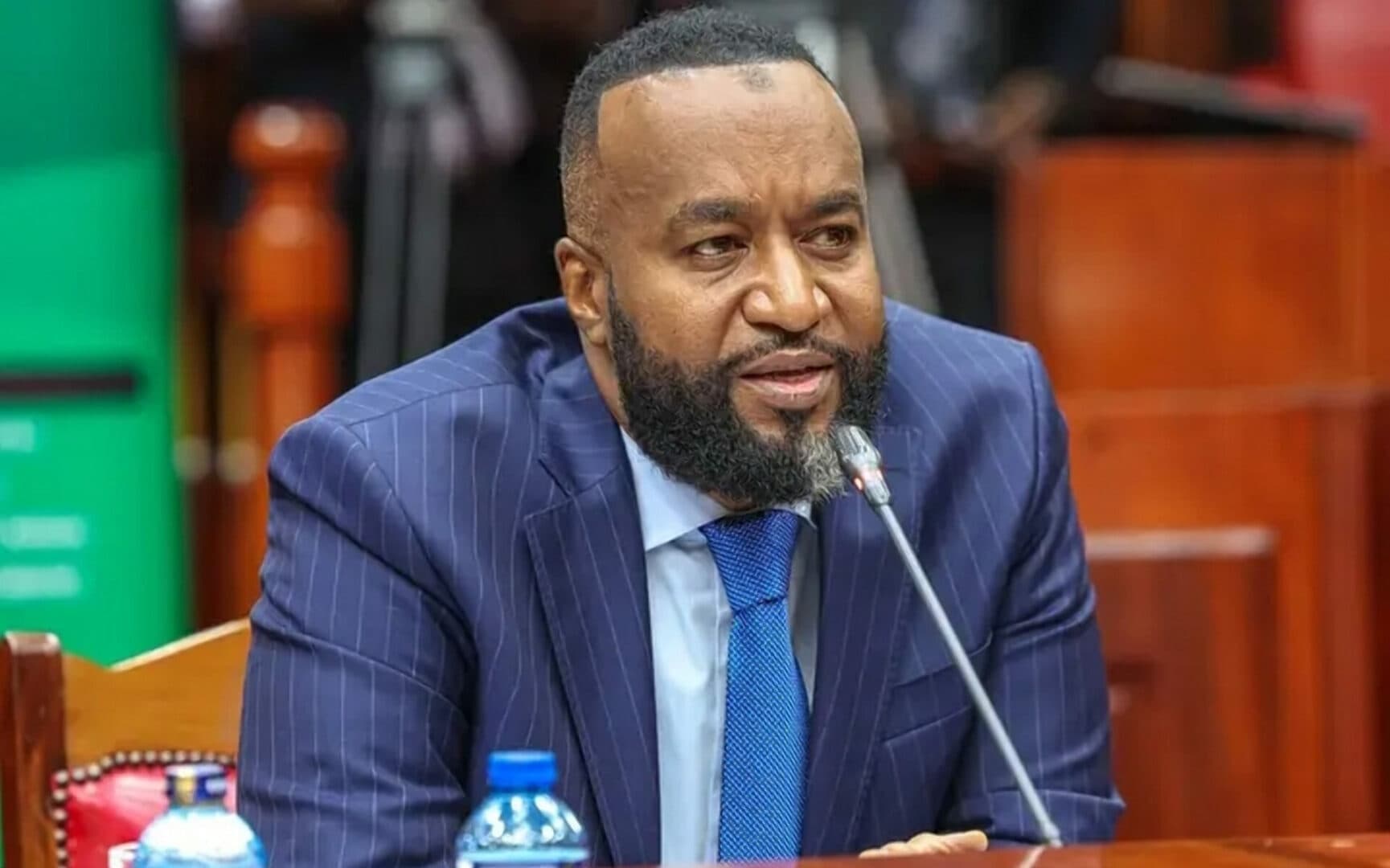
The visual evidence of this shift is impossible to ignore. Anyone who witnessed Mining Cabinet Secretary Hassan Joho and his Energy counterpart, Opiyo Wandayi, at recent political gatherings could easily have mistaken them for enthusiastic party youth wingers rather than senior government executives. Draped in their party’s signature colors, they actively participated in political messaging. Not to be left behind, Treasury Cabinet Secretary John Mbadi has also been caught in the political crossfire. Beyond donning political attire, Mbadi recently hosted a delegation of Luo elders at his official government office—a space maintained by taxpayer funds—to explicitly discuss ODM party politics and regional mobilization strategies.
This brazen behavior highlights a glaring double standard within the Kenyan public service. While junior civil servants face immediate interdiction or severe disciplinary action for merely expressing political opinions on social media platforms, those at the absolute apex of the government hierarchy appear to operate with complete impunity. This hypocrisy does not go unnoticed by the Kenyan populace. It breeds deep resentment and demoralizes diligent public servants who strive to maintain their professional integrity in a highly politicized environment. When the enforcers of the law are its most visible violators, the moral authority of the entire administration is catastrophically undermined from within.
The underlying motivation for this premature and illegal campaigning is the looming 2027 General Election. The so-called "broad-based" government, initially formed as a stabilizing mechanism in the aftermath of widespread youth-led protests against the rising cost of living, has rapidly morphed into a sophisticated campaign vehicle for President William Ruto's second-term ambitions. By co-opting formidable opposition figures into the Cabinet, the administration has neutralized its most vocal critics while simultaneously deploying them as high-level political emissaries. These Cabinet Secretaries are now covertly tasked with delivering their respective regional voting blocs.
The long-term ramifications of this troubling trend are deeply concerning for Kenya's democratic health and economic stability. The immediate fallout includes a myriad of systemic issues that threaten the fabric of the nation:
Legal experts and civil society organizations are already sounding the alarm, warning of a slow-motion constitutional crisis. Petitions seeking to bar these officials from engaging in political activities are gaining traction in the courts. However, the judicial process is notoriously slow, and the political machinery moves relentlessly forward without pause. The normalization of illegal campaigning by state officers represents a severe regression in Kenya's democratic journey. It sends a chilling message to the international community and domestic investors alike that political expediency heavily supersedes constitutional fidelity and the rule of law.
As the drums of 2027 begin to beat louder across East Africa, the true test for Kenya's democracy will not be the volume of the campaign noise, but the integrity of the referees and state officers who seem overwhelmingly eager to abandon their neutrality and join the dance.
Keep the conversation in one place—threads here stay linked to the story and in the forums.
Sign in to start a discussion
Start a conversation about this story and keep it linked here.
Other hot threads
E-sports and Gaming Community in Kenya
Active 9 months ago
The Role of Technology in Modern Agriculture (AgriTech)
Active 9 months ago
Popular Recreational Activities Across Counties
Active 9 months ago
Investing in Youth Sports Development Programs
Active 9 months ago
Key figures and persons of interest featured in this article