We're loading the full news article for you. This includes the article content, images, author information, and related articles.
A sleepy, affluent commuter town has earned the grim moniker of the UK's "firebomb capital," serving as a stark warning to global property investors about the volatility of even the most manicured enclaves.
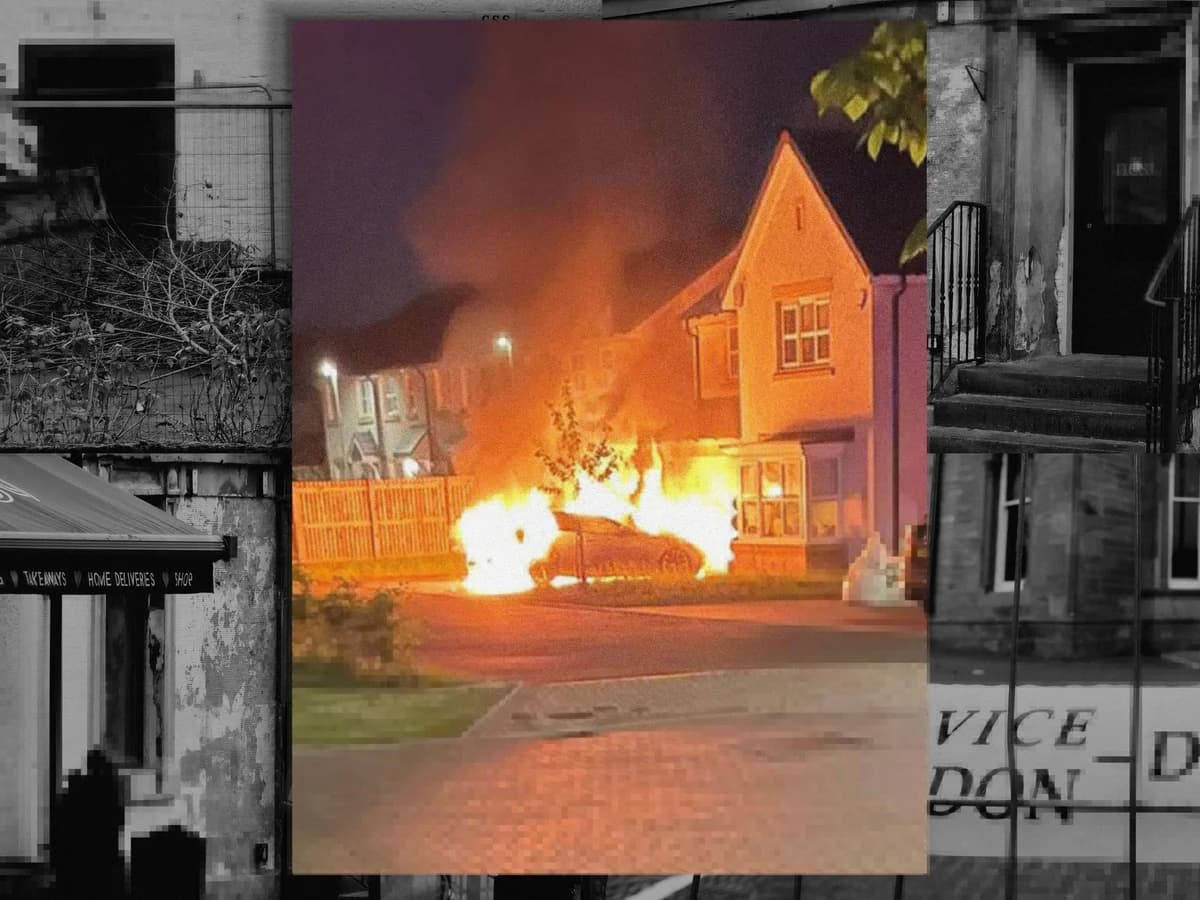
A sleepy, affluent commuter town has earned the grim moniker of the UK's "firebomb capital," serving as a stark warning to global property investors about the volatility of even the most manicured enclaves.
It was supposed to be the ultimate safe haven. Bothwell, sitting elegantly on the banks of the River Clyde, is to Glasgow what Karen is to Nairobi: a sanctuary of sandstone villas, Premier League footballers, and manicured hedges. Yet, walking down its historic Main Street today feels less like a stroll through a conservation area and more like a tour of a crime scene. Behind the facade of Victorian prosperity, the charred skeletons of businesses stand like rotten teeth in a perfect smile, evidence of a targeted arson campaign that has left this elite community reeling.
The statistics are as jarring as the boarded-up windows of The Cut steakhouse. Since 2021, this small town has witnessed 27 separate incidents of "fire-raising"—a polite Scottish legal term for arson. The attacks have been surgical and relentless. Restaurants, luxury vehicles, and even private homes have been torched with professional efficiency. For the Kenyan diaspora looking to the UK property market as a stable hedge, the unraveling of Bothwell's security is a chilling case study in how quickly "prime location" can turn into a "high-risk zone."
Local police are struggling to stem the tide. Despite the brazen nature of the attacks—often involving accelerants and masked figures caught on CCTV—prosecutions have been virtually non-existent. Only one suspect has been tracked down in five years. The prevailing theory among locals, whispered in the few remaining coffee shops, points to a shadowy turf war involving organized crime groups vying for control of the town's lucrative hospitality sector. It is a narrative familiar to anyone who has watched the commercial rivalries in Nairobi's nightlife districts spiral into violence.
The impact is visible and visceral. Da Luciano, once a premier Italian eatery and a favorite haunt of Celtic and Rangers players, was firebombed twice before finally being demolished in 2023. Its prime plot now sits overgrown with buddleia, a scar on the high street. Last autumn, the popular bistro Nel & Co fell victim to the flames, its blackened door frames a testament to the town's inability to protect its own commerce.
For East African investors, the Bothwell crisis underscores a critical due diligence lesson: neighborhood demographics are not static. The intrusion of organized crime into affluent suburbs is a global phenomenon, not limited to the developing world. Just as Nairobi's Kilimani has faced challenges with changing tenancy profiles and security, Bothwell proves that wealth is no barrier to lawlessness when policing fails.
The year 2026 has offered no respite. In early January, two cars were torched in a residential driveway, the scorch marks on the tarmac serving as a fresh signature of the gangs' impunity. As the investigations stall and the insurance premiums skyrocket, residents are left asking a question that resonates from Glasgow to Gigiri: If the police cannot protect the wealthy, who can they protect?
Keep the conversation in one place—threads here stay linked to the story and in the forums.
Sign in to start a discussion
Start a conversation about this story and keep it linked here.
Other hot threads
E-sports and Gaming Community in Kenya
Active 9 months ago
The Role of Technology in Modern Agriculture (AgriTech)
Active 9 months ago
Popular Recreational Activities Across Counties
Active 9 months ago
Investing in Youth Sports Development Programs
Active 9 months ago