We're loading the full news article for you. This includes the article content, images, author information, and related articles.
Accused Bondi Beach gunman Naveed Akram faced court for the first time on Monday, two months after he and his father allegedly carried out Australia’s worst mass shooting in almost 30 years.
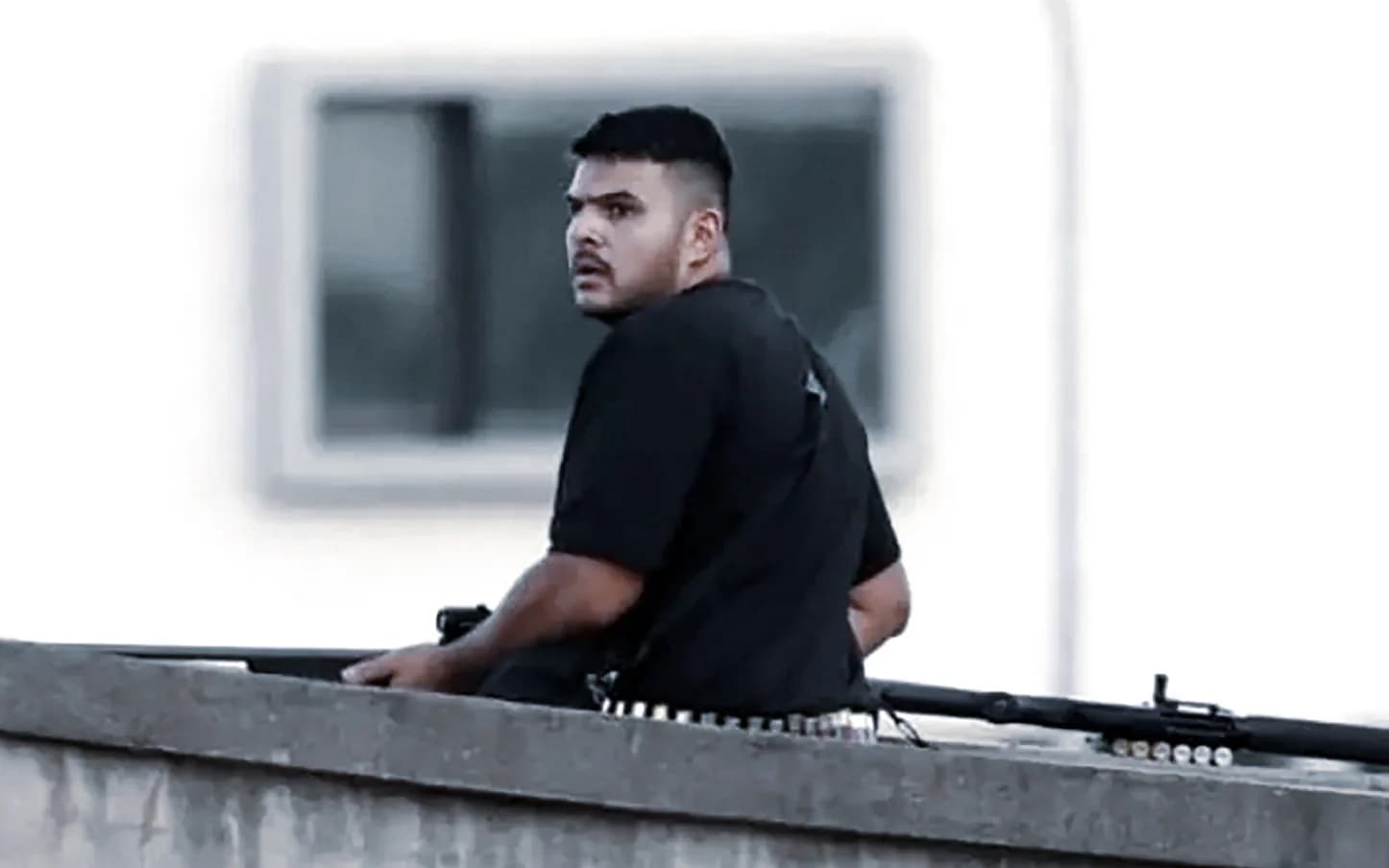
Two months after the sun-drenched sands of Bondi Beach were stained with the blood of innocents, the man accused of orchestrating Australia’s deadliest mass shooting in three decades finally appeared before a judge. Naveed Akram, 24, sat motionless in a sterile room at Goulburn Supermax prison, his face projected onto a screen in a Sydney courtroom that held the collective breath of a grieving nation.
The proceedings were brief, lasting a mere five minutes, but the weight of the moment was crushing. Akram, wheelchair-bound from injuries sustained during the shootout with police, appeared gaunt and disoriented. He faces 59 charges, including 15 counts of murder and one count of committing a terrorist attack. When Deputy Chief Magistrate Sharon Freund asked if he could hear the proceedings, his response was a single, chilling monosyllable: "Yeah."
This appearance marks the beginning of a long and painful legal odyssey for the families of the 15 victims who perished during the Hanukkah celebration attack on December 14, 2025. The "So What?" for the international community, and indeed for Kenya, lies in the terrifying normalization of soft-target attacks and the complex web of radicalization that can ensnare families—in this case, a father and son acting in lethal concert.
The details of the attack remain etched in the global consciousness. Naveed and his father, Sajid Akram, 50, allegedly stormed the beachside event armed with semi-automatic rifles. The elder Akram was neutralized by police snipers at the scene, ending his life on the promenade he sought to destroy. Naveed survived, critically wounded, to face the justice system.
The sheer scale of the charges is unprecedented in modern Australian history. The inclusion of a specific "terrorist act" charge elevates the case to the federal level, bringing with it mandatory life sentencing provisions if convicted. It signals that the Australian state views this not as a mere crime, but as an act of war against its multicultural fabric.
Akram is currently being held in the High Risk Management Correctional Centre at Goulburn, often referred to as "Supermax." It is a fortress within a prison, designed for the country's most dangerous offenders. His lawyer, Ben Archbold, told the press outside the court that his client was doing "as well as can be expected" given the "onerous conditions."
Archbold’s comments were measured. "Everyone knows it's Supermax," he told reporters, deflecting questions about a potential plea. The legal strategy is likely to hinge on Akram's mental state and the influence of his father. Was Naveed a willing architect of the slaughter, or a radicalized pawn in his father's fanatical game? This dynamic—the "dyad of terror"—is a psychological puzzle that forensic psychiatrists will spend months unraveling.
For Kenya, a nation that has borne the scars of terrorism from Westgate to Garissa, the Bondi inquiry resonates deeply. It underscores that no nation, regardless of its gun laws or intelligence capabilities, is immune to the spectre of extremism. The focus on the "father-son" radicalization cell is particularly pertinent for Kenyan security agencies, who often grapple with inter-generational recruitment within networks like Al-Shabaab.
The court has imposed strict suppression orders on the identities of the survivors, a move designed to protect them from the media glare and potential re-traumatization. It is a humane mercy in a process that will otherwise be brutal. As the brief hearing concluded and the screen faded to black, the silence in the courtroom was deafening—a void left by 15 lives that will never return.
"We are waiting for the brief to be served," Archbold noted, buttoning his jacket against the media storm. "The process has only just begun." For the victims' families, however, the sentence began two months ago.
Keep the conversation in one place—threads here stay linked to the story and in the forums.
Sign in to start a discussion
Start a conversation about this story and keep it linked here.
Other hot threads
E-sports and Gaming Community in Kenya
Active 9 months ago
The Role of Technology in Modern Agriculture (AgriTech)
Active 9 months ago
Popular Recreational Activities Across Counties
Active 9 months ago
Investing in Youth Sports Development Programs
Active 9 months ago